
Last updated November 23, 2026
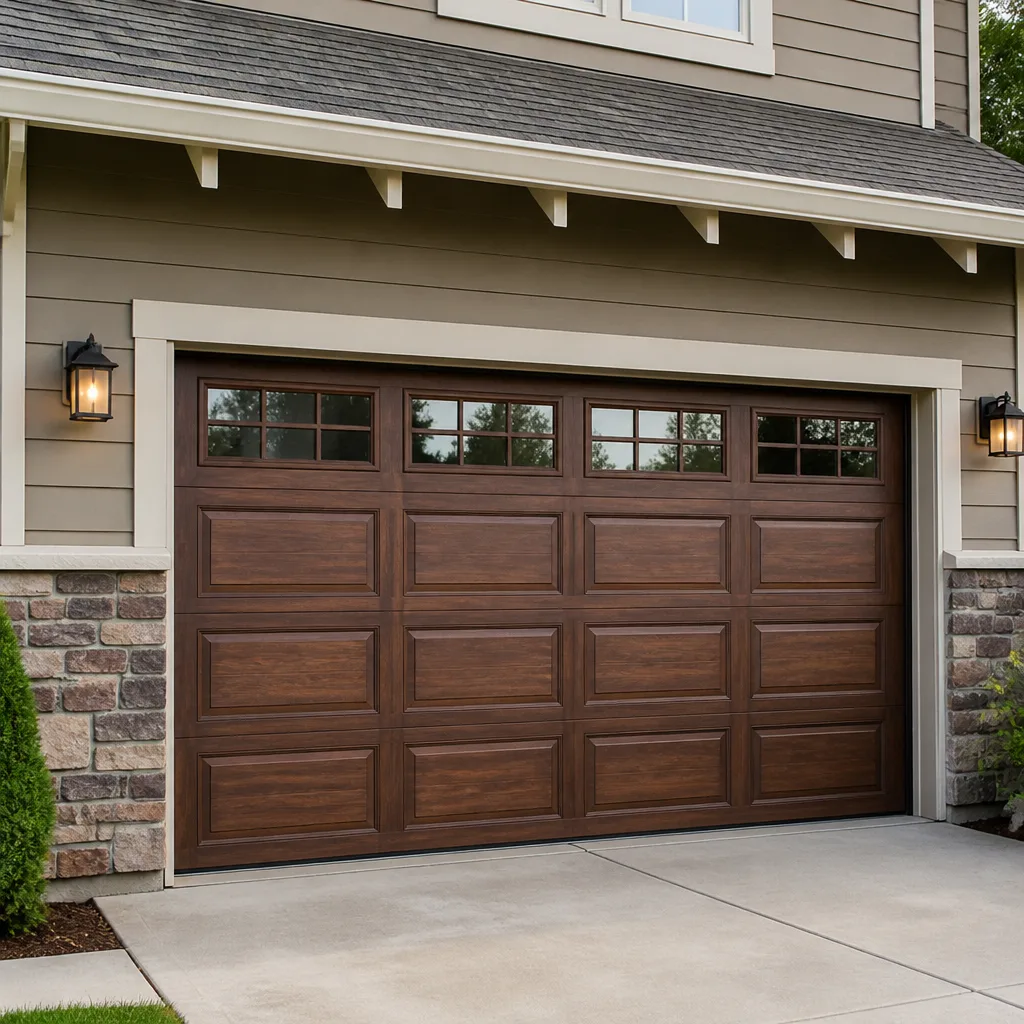
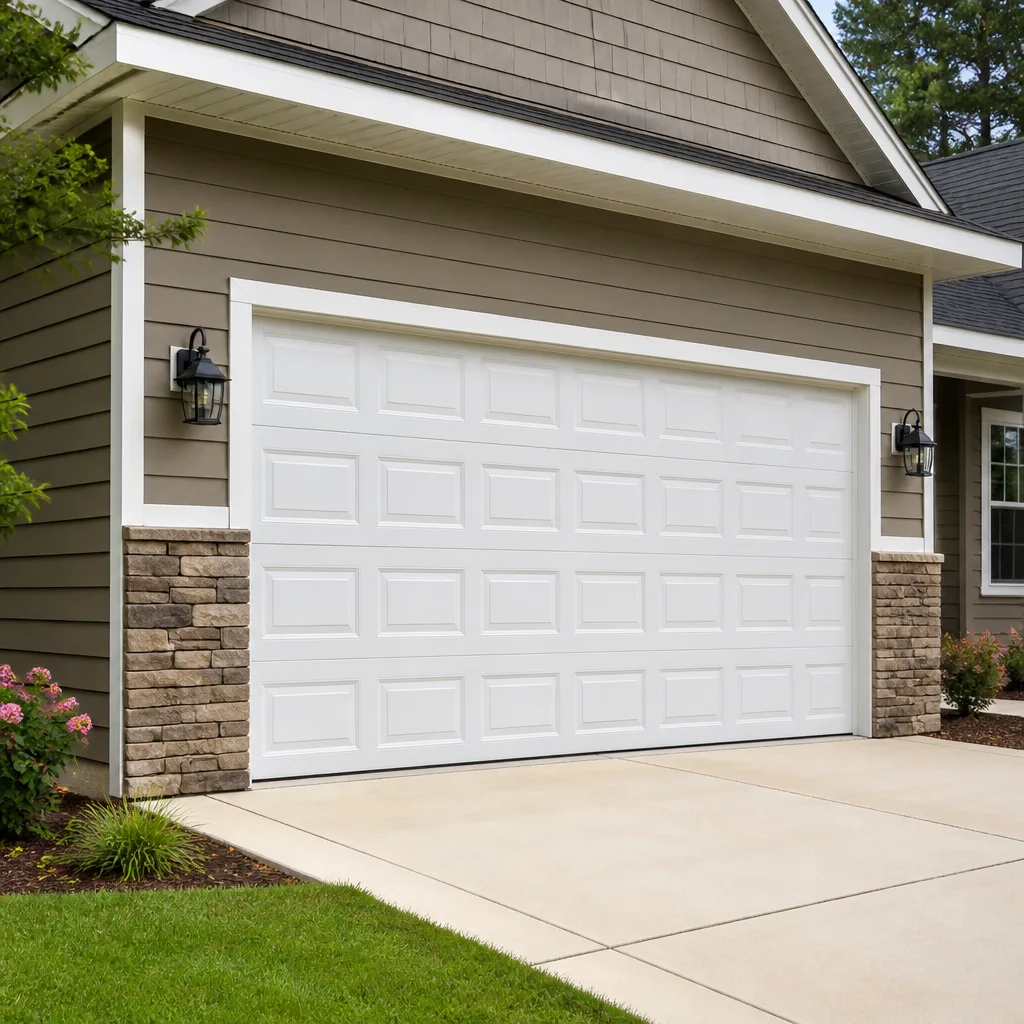 Raised-panel steel
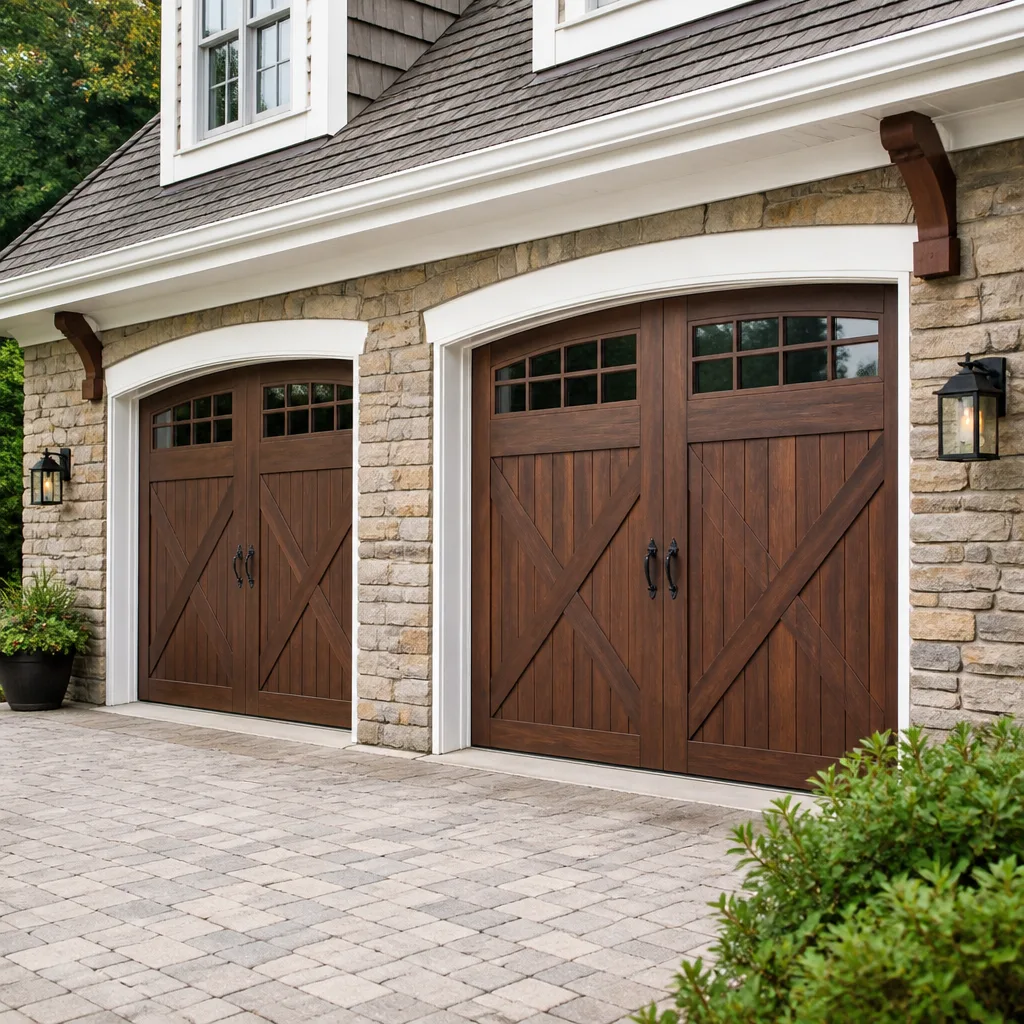 Carriage house
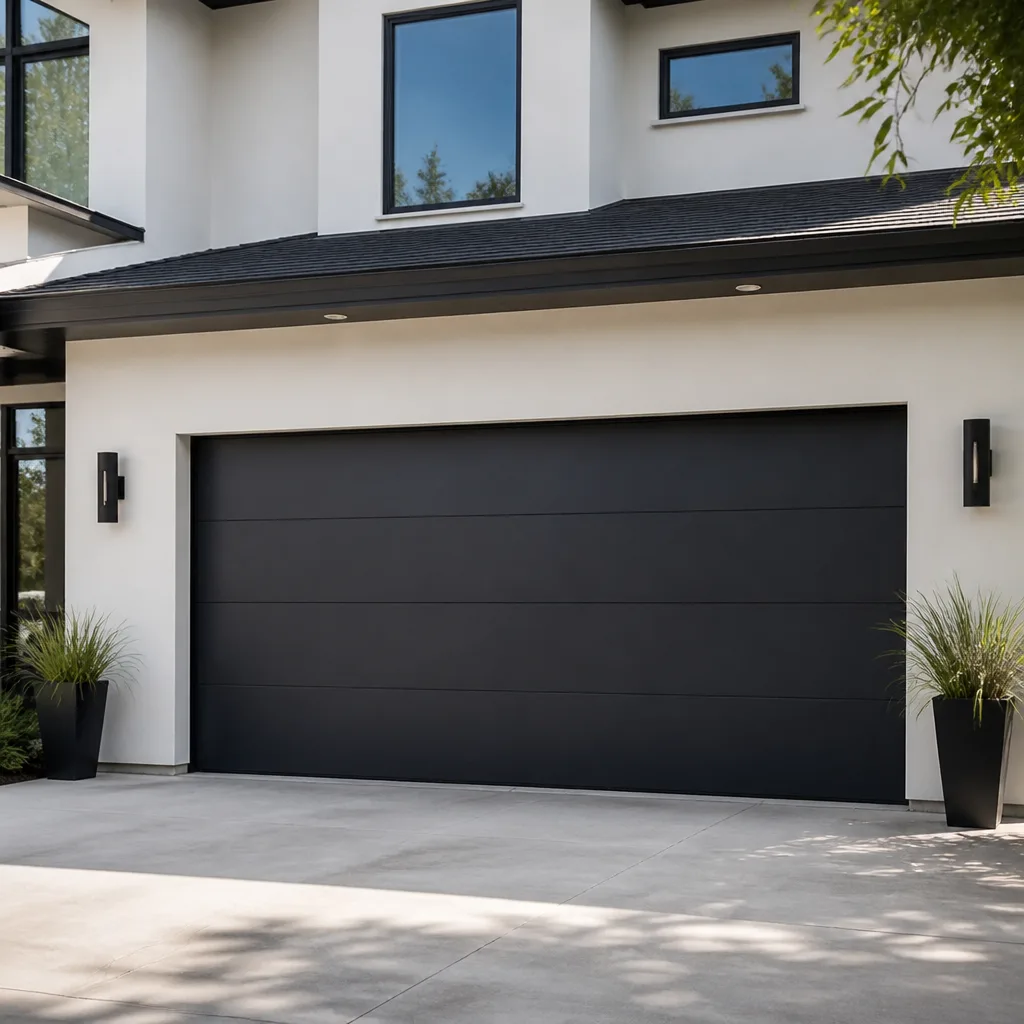 Modern flush
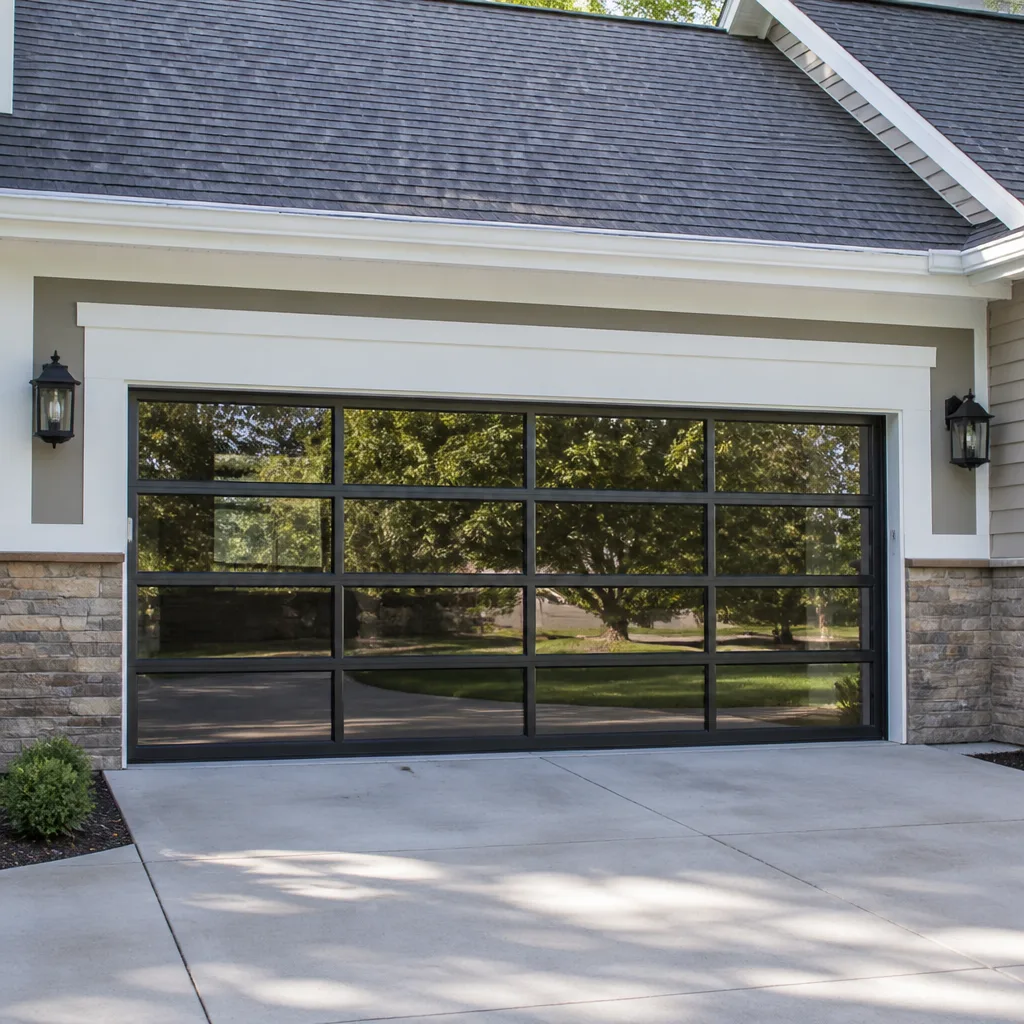 Full-view glass
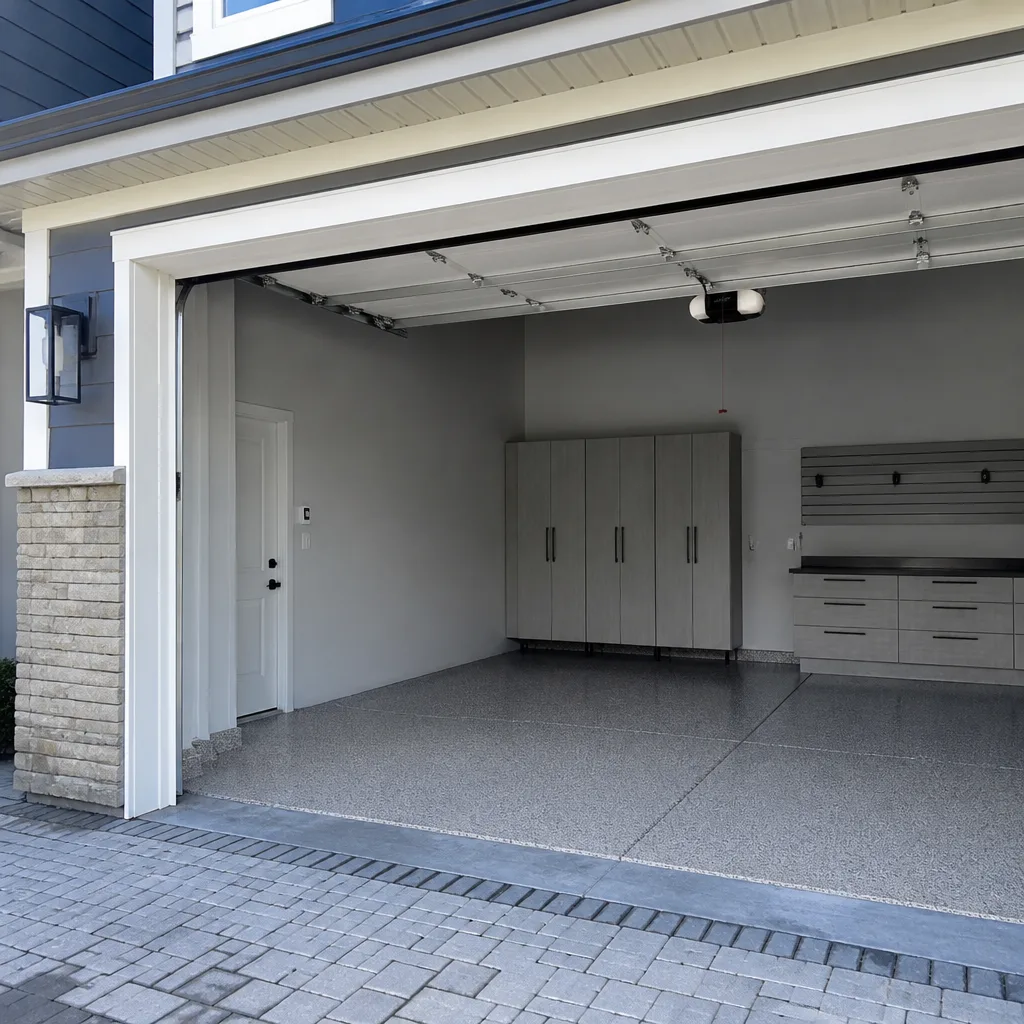 LiftMaster openers
 Chamberlain openers
Full 25-point door and opener safety check with every visit - springs, cables, rollers, tracks, and your LiftMaster or Chamberlain opener included
You get a price before we start. It does not change when the pro arrives.
Get your free estimateGarage Door Permits, Codes & Inspections in Skokie, IL: What You Need to Know
Most Skokie homeowners never think about a permit when the garage door quits. A snapped spring, a dead opener, a dented panel – the call goes out, the door gets fixed, life moves on. That instinct is usually right, because most repair work in Skokie needs no permit at all. But not every job fits that mold, and the exceptions are narrow enough that homeowners tend to miss them. A structural change, a header modification, a door that grows in size, or work on the fire-separation wall of an attached garage can all trigger a permit requirement that surprises people years later, often at the worst possible moment. This guide walks through exactly when a permit is required in Skokie, when it isn’t, how the village’s review and inspection process works, and how to clean up a past unpermitted installation before a sale.
Quick Answer
In Skokie, a straight like-for-like garage door replacement – same size opening, same header, same hardware – typically does not require a building permit. A permit is generally needed when the work changes the structure or the opening: altering or replacing the header, widening the opening, increasing the door size, or changing anything tied to the fire-separation wall of an attached garage. When in doubt, confirm with the Skokie building department before work starts. The written estimate should always spell out the scope so you know which category your job falls into.
Styles & brands we work with
- Raised-panel steel
- Carriage house
- Modern flush
- Full-view glass
- LiftMaster openers
- Chamberlain openers
Table of Contents
- Does a Garage Door Replacement Need a Permit in Skokie?
- The Specific Triggers That Require a Permit
- What "Like-for-Like Replacement" Really Means
- Fire-Separation Rules for Attached Garages
- How the Skokie Permit and Inspection Process Works
- Do Opener and Spring Replacements Need a Permit?
- Fixing a Past Unpermitted Installation Before You Sell
- Common Mistakes to Avoid
Does a Garage Door Replacement Need a Permit in Skokie?
For most Skokie homeowners, the honest answer is no. Replacing a worn door with a new one of the same size and configuration, hung on the existing track and connected to the existing opener, is a fixture swap. The structure of the house doesn’t change. The opening doesn’t change. The load on the header doesn’t change. That kind of work typically falls outside what the village requires you to permit and inspect.
Where it gets harder is the gray zone between a true swap and a modification. Skokie has a lot of housing stock from the mid-twentieth century, and many of those garages were built with openings that no longer match current door sizes. When a homeowner wants to go from a single-car door to something wider, or to swap a nonstandard opening to a modern standard size, the job stops being a replacement and starts being an alteration. That’s when permits enter the conversation.
The practical rule we give people is this: if the door you’re buying fits the hole you already have, you’re probably fine. If the hole, the frame, or the framing behind the frame is going to change, ask the village first.
If you’re already dealing with a door that won’t move, a permit question can wait. A jammed door is a garage door repair issue first, and getting it working again is the priority. Sorting out paperwork comes after the door is safe.
When the answer is clearly no permit
- Replacing panels on an existing door of the same size.
- Swapping a door for a new one in the same opening, same track, same lift type.
- Replacing a worn spring, cable, roller, hinge, or bearing plate.
- Replacing or repairing the opener on the existing door and rail.
- Repainting or refinishing the door and frame.
When you should pick up the phone to the village
- The opening is being widened or shortened.
- The header above the door is being replaced, reinforced, or modified.
- The door is being changed to a different height or width than the existing opening.
- Wall framing or sheathing around the door is being changed to accommodate the new door.
- Anything on the wall shared between the house and an attached garage is being touched.
The Specific Triggers That Require a Permit
Skokie’s municipal code doesn’t treat every garage door job the same, and that’s the detail most homeowners miss. The code cares about what the work does to the building, not what kind of object the door happens to be. Three categories of work tend to require a permit.
Structural changes. The header that spans the top of the garage opening carries a real load. If it’s being replaced, reinforced, or reconfigured, you’re doing structural work. That work needs to be reviewed, and often inspected after it’s done, because the header and its connections have to support what sits above them. This is where most permit questions actually originate.
Header modifications. Related, but distinct. Sometimes the header stays but its attachment changes – new hangers, new bolts, new brackets. Any modification to how the header is tied into the surrounding framing is usually a permit event in Skokie. An inspector wants to see that the connection matches what a plan reviewer approved.
Size increases. Going wider or taller than the existing opening means more load on the header and more load on the jack studs on each side. That change is treated the same way as a structural change because it is one. The door, the track, the spring system, and the load path all change together.
There’s also a fourth category that isn’t about the door at all. If the wall between the garage and the house changes – even a small opening for a door or a window – that’s a fire-separation question, covered below. It gets its own review.
The good news for most Skokie homeowners is that none of the above describes a standard replacement. But it does describe enough real jobs that we always ask the question up front. The conversation is short, and it’s worth having before you order a door that won’t fit the hole you have.
What "Like-for-Like Replacement" Really Means
"Like-for-like" sounds simple until you try to apply it. In practice, Skokie interprets it as a replacement that keeps the opening, the header, and the load path exactly as they are, and changes only the door and its hardware. Where the definition gets gray is in the details, and the details are where permits quietly get triggered.
Consider a homeowner replacing a wooden door that has become heavy from years of moisture with a modern steel door from a brand like Clopay. The opening stays the same. The new door fits. But the new door weighs less, which changes the spring requirements, which changes the torsion setup, which occasionally means new end bearing plates. None of that is a structural change, and none of it typically requires a permit. But it’s also not a literal swap, and it does affect the load on the header, even if in a favorable direction.
Consider a second homeowner replacing a single door with a double door in the same opening. That’s clearly an alteration. Or replacing a door with an opener-ready model that requires a new reinforcement strut across the top panel. That last one is usually fine, but if the strut changes how the door attaches to the header bracket, it can become a question for an inspector.
The places where like-for-like gets murkiest:
- Changing from a manual door to an opener-driven door when no opener previously existed.
- Changing door material and weight so significantly that springs, tracks, and brackets all change.
- Replacing a door that was originally installed to a nonstandard size with a standard-size door.
- Adding a high-lift track conversion for a taller vehicle, which repositions the door in the same opening.
- Adding windows or a pedestrian door to the garage face that was previously solid.
None of those is automatically a permit job. But each is close enough to the line that it’s worth a conversation with the village before ordering. A quick email or phone call to the Skokie building department is free, and it saves an unpleasant surprise at resale. In our experience, a five-minute question up front is far easier than a retroactive permit application two years later.
Fire-Separation Rules for Attached Garages
Skokie has a lot of attached garages, and every one of them has a fire-separation wall between the garage and the living space. Under the Illinois Residential Code, Section R302, that separation is treated as a life-safety element, not a convenience. The wall has to resist fire long enough for everyone inside to get out. Anything that weakens it – an opening, a penetration, a material change – goes through a different review than a garage door swap.
Where homeowners get tripped up is the wall itself. Replacing a garage door doesn’t touch it. Replacing door trim doesn’t touch it either. But changing a service door that goes from the garage into the house, adding a window, cutting a vent, or reworking the wall around the garage door opening can all interact with the separation requirement. When that happens, the work is typically permittable and inspectable, and it’s often reviewed against the fire-separation standard rather than the structural standard.
A few points worth knowing about fire separation in Skokie:
- The separation applies to the wall, the ceiling, and any door between the garage and the house.
- The door between the garage and the house is a rated assembly and has to stay rated; replacing it with an unrated door defeats the requirement.
- Penetrations through the separation wall (wiring, plumbing, HVAC chases) have to be sealed, and adding a new one is a review item.
- If the garage shares a wall with a neighboring unit – common in some Skokie townhome and rowhouse configurations – separation rules can extend to that shared wall as well.
The safest approach when a garage door project starts to involve the separation wall is to stop and call the village before the saw goes in. Getting the wall wrong is far more expensive to fix retroactively than it is to plan correctly the first time. This is one of the few areas where the inspection is doing real safety work, not just paperwork.
How the Skokie Permit and Inspection Process Works
The permit process in Skokie runs through the village’s building department. For a garage door project that requires a permit, the sequence below is roughly what a homeowner should expect. Exact fees and timelines vary by project scope, so the village is the authoritative source for both.
- Confirm the requirement. Call or email the Skokie building department with a short description of the scope. Ask specifically whether a permit is required and what documents they want to see. If the answer is yes, ask what plan details they need for the header or opening.
- Prepare the application. Most garage door permits need a short scope description, a site plan or sketch showing the opening and header, and the door manufacturer’s product information. For a structural change, the village may ask for a sealed plan from an Illinois licensed architect or engineer.
- Submit and pay the fee. Fees are based on the valuation of the project and are set by the village. The department will quote the fee when the application is submitted; there’s no fixed fee we can tell you in advance, and anyone quoting you one without knowing your project is guessing.
- Wait for review. A simple replacement or opener permit usually reviews quickly. A structural change takes longer because it involves plan review.
- Schedule the inspection. Once the work is done, the contractor or the homeowner calls the village to request an inspection. The inspector typically wants to see the header, the attachment points, and the final installation together.
- Close the permit. After a passing inspection, the permit is closed. Keep the closing documentation. If you ever sell the house, that paperwork is what proves the work was permitted.
The single most important scheduling detail: 24 to 48 hours of notice is common for inspections, and inspections happen on village schedules, not yours. Plan for that buffer instead of scheduling the permit inspection the day before a family event.
For Skokie homeowners, the practical translation is that even a permittable replacement is rarely disruptive. The installation itself takes a day. The permit and inspection usually slot in around it. Water from spring melt and snow gets into the tracks in Skokie winters, so scheduling garage work in the warmer months tends to make the whole sequence easier.
Do Opener and Spring Replacements Need a Permit?
No. Replacing a garage door opener, repairing a spring, replacing a cable, or swapping out worn rollers doesn’t typically require a permit in Skokie. Those are mechanical repairs to the existing door assembly, not structural changes to the house, and they don’t fall under the permit rules that govern openings and headers.
The one caveat is the opener’s electrical connection. If the existing opener is already wired to a junction box and the new opener uses the same connection, no permit is involved. If the work requires a new electrical circuit – unusual, but possible when upgrading to a battery-backup unit with different power needs – that electrical work may be permittable on its own, separate from the door. Replacing the opener doesn’t create the electrical work; the new circuit does.
Opener repairs on the common brands we see in Skokie – LiftMaster, Chamberlain, Craftsman – almost never touch the electrical panel. The opener operates on the existing circuit and the technician swaps the unit, not the wiring. garage door opener repair work at this level is straightforwardly a mechanical job.
garage door spring repair is different in character even though the permit answer is the same. The springs under load are one of the most dangerous parts of any garage door, and a torsion spring failure can cause serious injury. We only recommend a trained specialist for this work, and we recommend it strongly. The permit question is a distant second to the safety question on a spring job.
Fixing a Past Unpermitted Installation Before You Sell
Here’s where a permit question becomes a real-estate problem. An unpermitted installation that never caused anyone a moment’s trouble can surface years later during a home sale, refinance, or insurance claim. The disclosure process on a Skokie sale often surfaces old permits, and a missing one on a garage door replacement can turn into an open question at exactly the wrong moment.
The good news is that this is fixable, and the fix isn’t as painful as it sounds. The sequence below is what we walk homeowners through when they’re preparing to list.
- Pull the permit history. The Skokie building department can provide the permit record for the property. Ask for all permits associated with the garage, not just the ones from your ownership.
- Compare the record to what’s actually installed. If a garage door replacement happened without a permit and the job was structural or touched the fire-separation wall, there’s a gap. If the door is a simple like-for-like swap, there may be no gap at all – the work may simply not have needed a permit.
- Talk to the village about a retroactive permit. When a permit was required and not obtained, most jurisdictions offer a path to a retroactive or "as-built" permit. That path typically involves submitting the same plans and information you would have submitted at the time, paying the permit fee, and scheduling an inspection of the finished work. The inspector looks at what was actually installed and confirms that it meets code.
- Correct any issues found at inspection. If the earlier work didn’t meet the fire-separation standard or if header modifications aren’t correct, the inspector will call them out, and they’ll need to be corrected before the permit closes.
- Disclose during the sale. If the retroactive permit is closed, you have documentation that satisfies the disclosure requirements. If it’s still in process, disclose that it’s in process. What you can’t do is pretend the work was never done.
The reason to start this process early is leverage. Once an offer is on the table, every negotiating round costs time and money. Handling the retroactive permit well before listing removes a whole category of delay. In our experience, homeowners who get ahead of it spend far less than they fear, and the sale closes without a scramble.
Common Mistakes to Avoid
- Assuming every garage door job needs a permit. Most don’t. The hassle of a permit is real, and homeowners who instinctively skip the conversation with the village end up over-complicating a simple replacement that never required one.
- Assuming no garage door job needs a permit. The opposite mistake. Structural changes, header modifications, and size increases almost always do, and a permit-less one can surface at resale.
- Skipping the fire-separation conversation. Any work that touches the wall between the garage and the house goes through a separate review. Downplaying it because it looks small is how retroactive corrections happen.
- Ordering a door before confirming the opening. A door ordered to a size that doesn’t fit the opening becomes a structural job you didn’t plan. Measure first, then order, then permit if needed.
- Relying on a verbal yes from a neighbor. Skokie’s code is specific, and what was fine on one block isn’t necessarily the rule on yours. Confirm with the village for your specific property.
- Losing permit paperwork after the project closes. Save the permit, the inspection sign-off, and the closing documentation together with the door’s product information. You’ll thank yourself at resale.
- Treating a spring failure as a DIY check. Springs are under tension, and the mechanism can hurt you even when the door is down. This is a job for a trained specialist, full stop.
See the difference
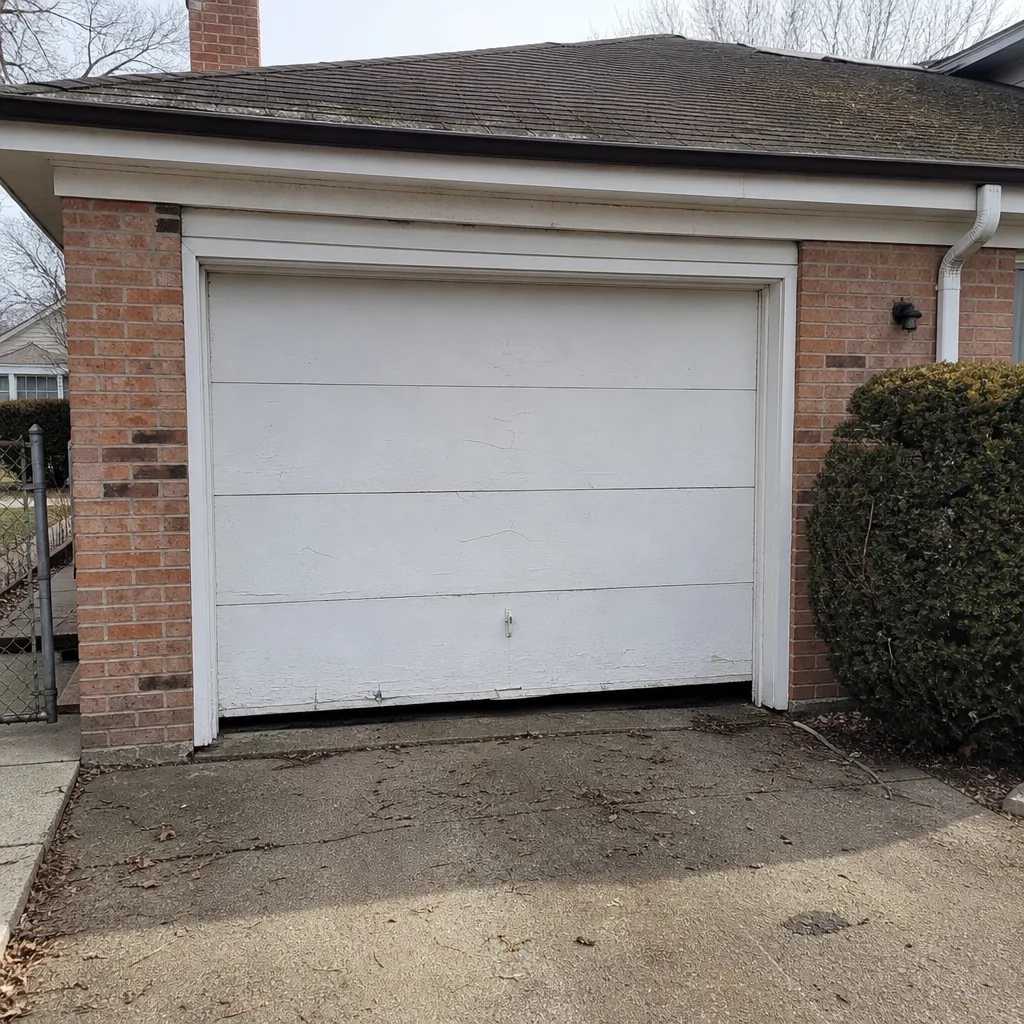 Before
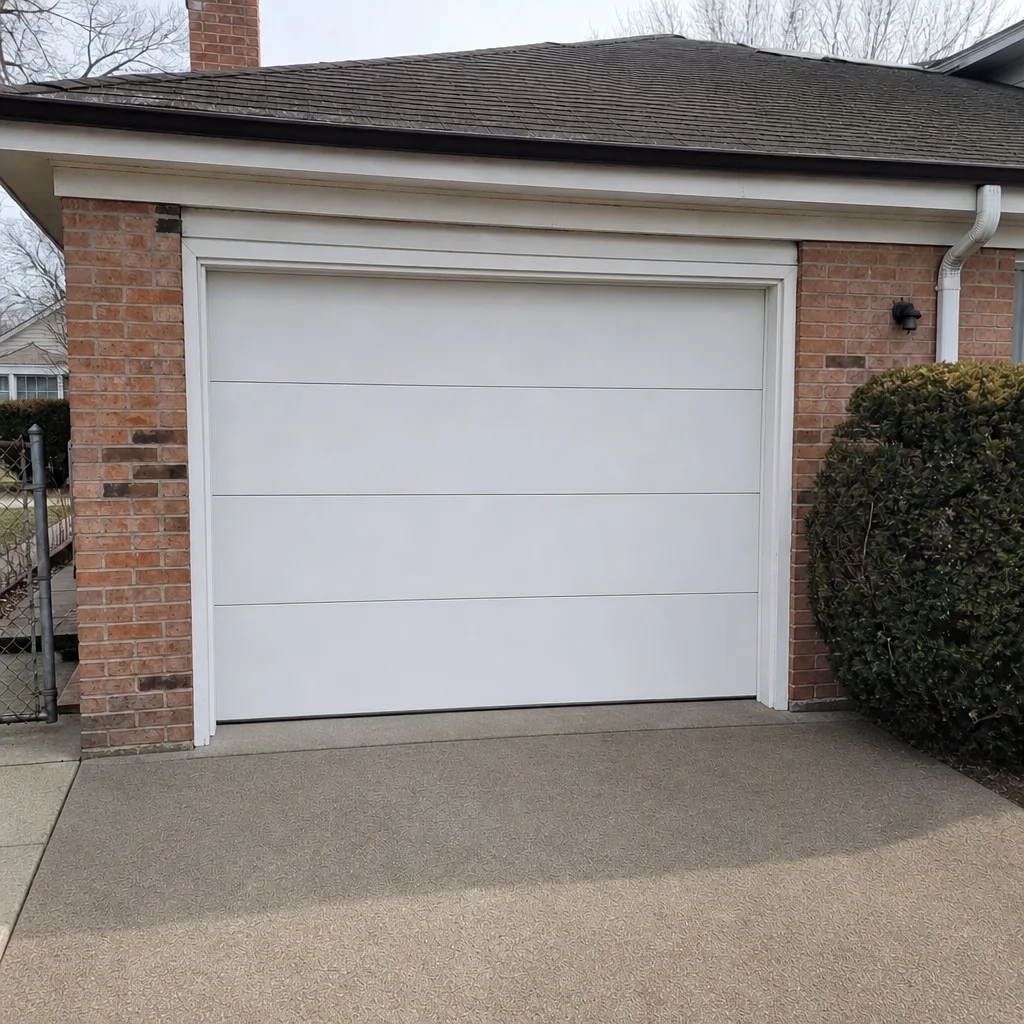 After
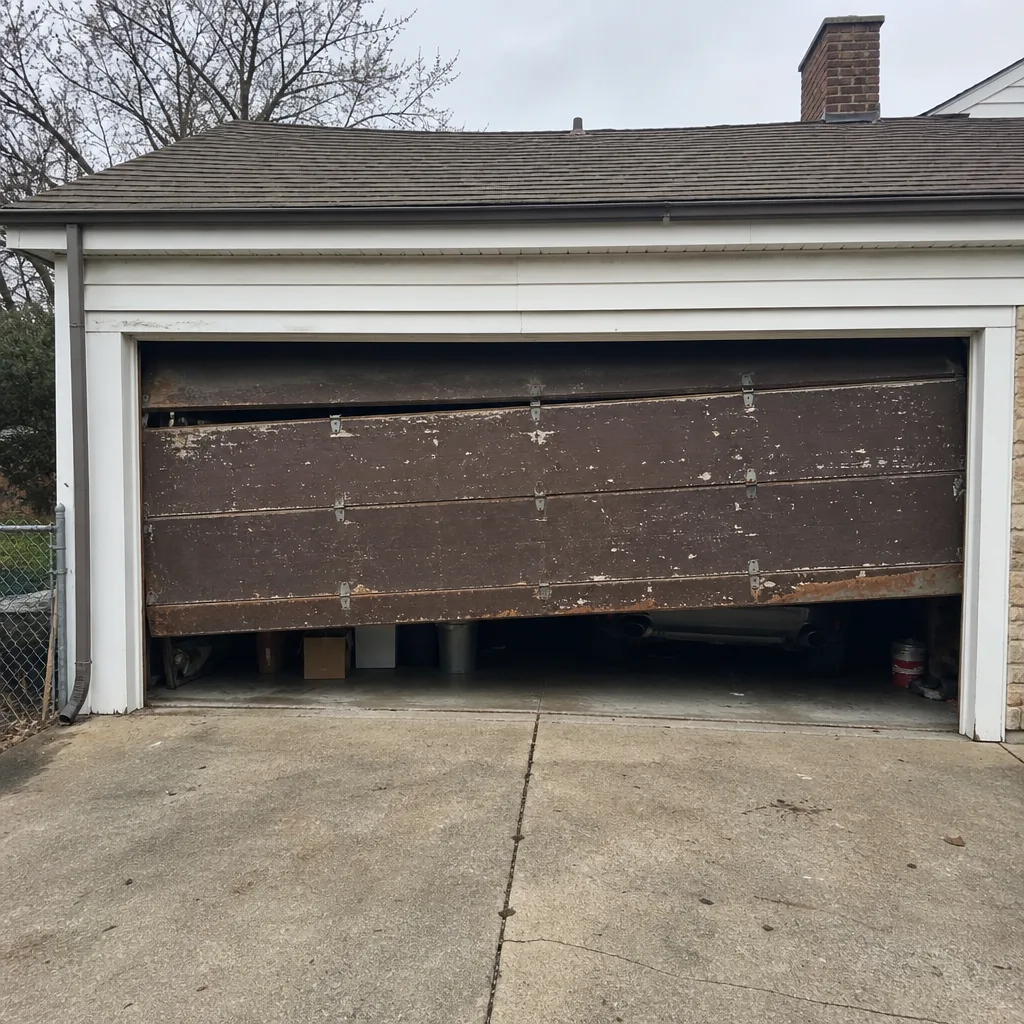 Before
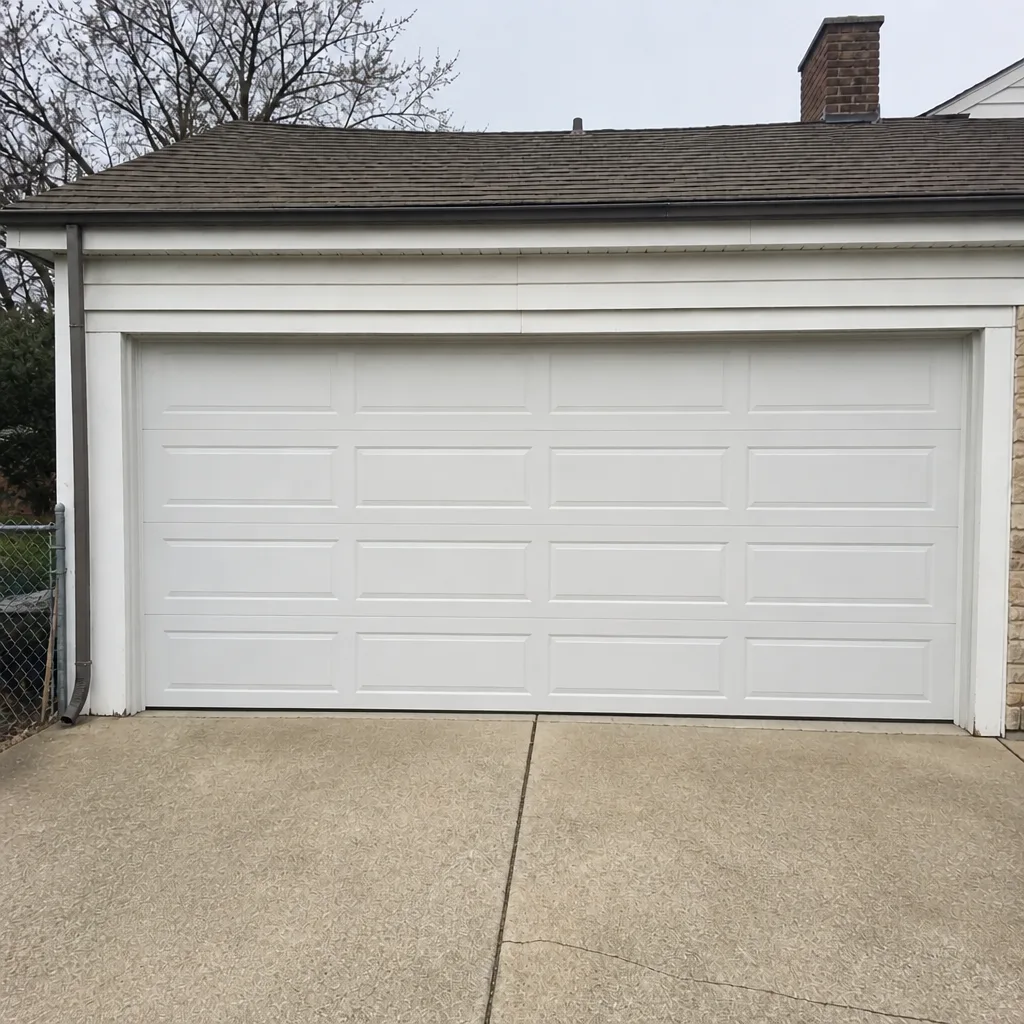 After
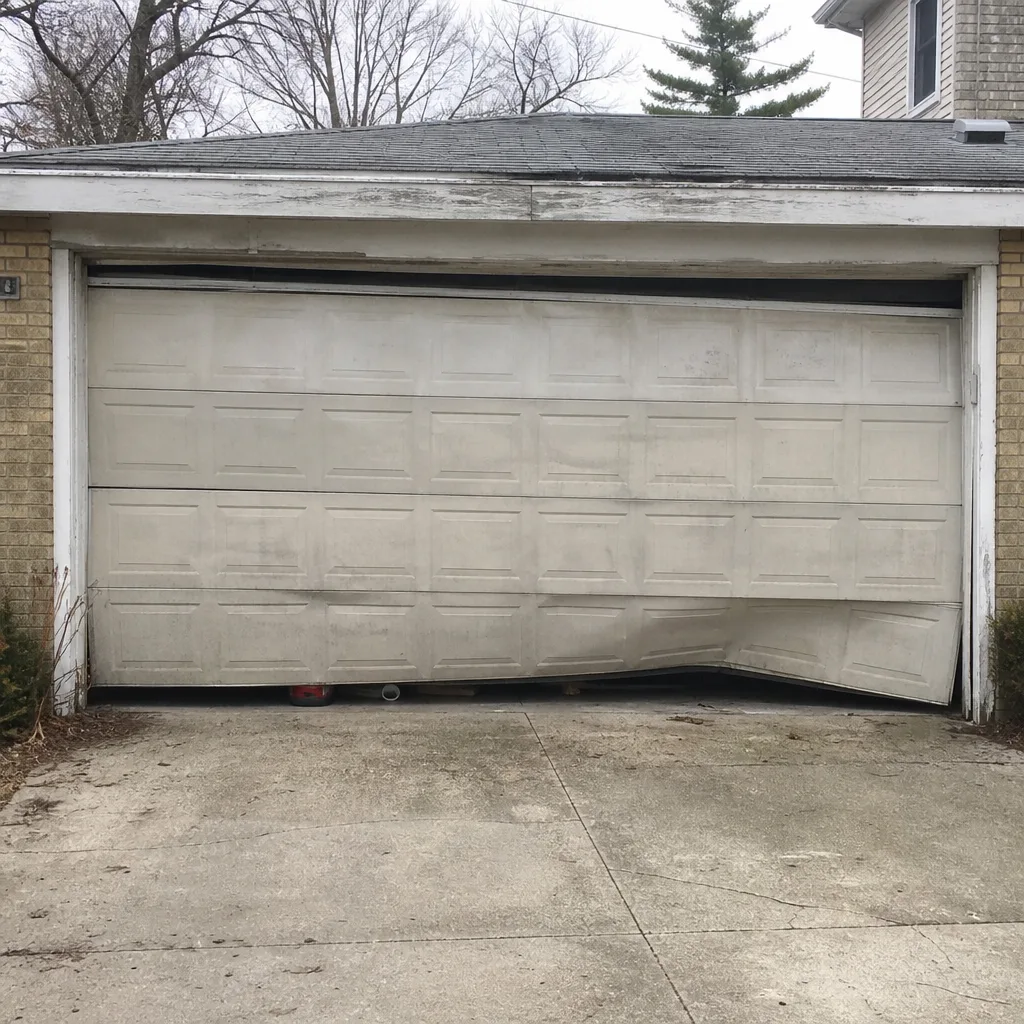 Before
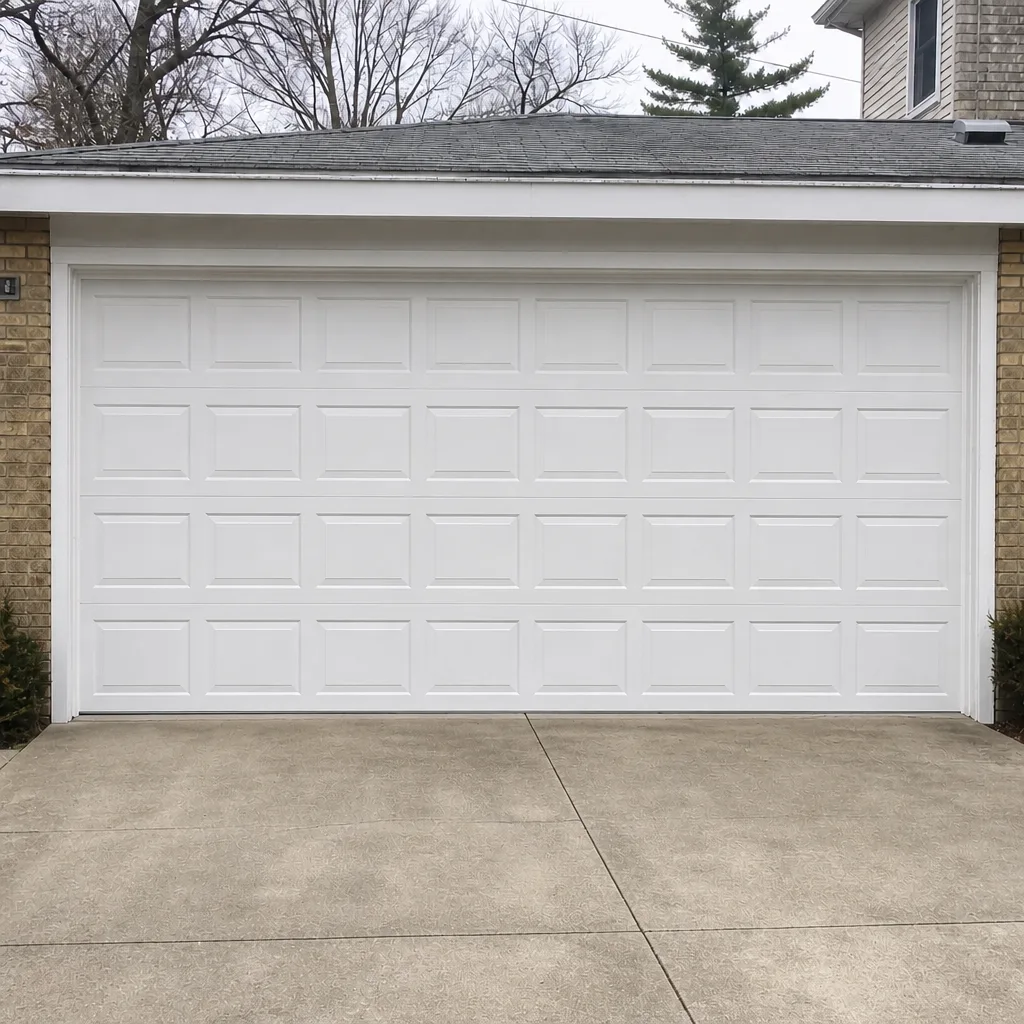 After
When to Call a Professional
Some garage door work is genuinely fine as a homeowner chore – cleaning tracks, replacing a worn weather seal, tightening a loose bracket. Most of it isn’t. Call a professional when the door won’t balance, when a spring has clearly failed, when the opener runs but the door doesn’t move, when a cable has come off, when the door has dropped on one side, when a track is visibly bent, or when anything on the door has become a structural question. Those scenarios have real safety stakes, and getting them wrong the first time makes the second repair more expensive.
Skokie Garage Door Repair Pros offers free estimates in Skokie. We work on LiftMaster, Chamberlain, Genie, Clopay, Amarr, Wayne Dalton, Craftsman, and Raynor, and we handle spring repair as a specialty, not a side service. Call (844) 789-1173. We answer 24/7, with fast dispatch from 7am to 7pm, Sunday through Friday, and we’re closed Saturday. Every price is quoted and agreed before any work starts.
Frequently Asked Questions
Usually not. A like-for-like replacement – same opening, same header, same configuration – typically doesn’t require a permit in Skokie. You do need a permit when the work changes the structure: replacing or modifying the header, widening the opening, increasing the door size, or changing anything tied to the fire-separation wall of an attached garage. When in doubt, ask the Skokie building department before ordering. Call (844) 789-1173 to schedule a free estimate and we’ll help you scope the job so you know which category it falls into.
The review timeline depends on the scope. A simple replacement or opener permit usually reviews quickly, while a structural change involving a header modification takes longer because it includes plan review. The village is the authoritative source for the timeline on your specific project. Call the building department with a short scope description and they’ll tell you what to expect. Once work is done, the inspection itself is usually scheduled within a day or two. Call (844) 789-1173 for a free estimate on the installation side.
It usually surfaces during a home sale, refinance, or insurance claim, and the fix is a retroactive or "as-built" permit through the village. That path typically involves submitting plans as if for the original permit, paying the permit fee, and passing an inspection of the finished work. If code issues are found at inspection, they have to be corrected before the permit closes. Starting this process well before listing removes a negotiation risk. Call (844) 789-1173 for a free estimate if corrections need to be done.
No. Replacing or repairing a garage door opener on the existing door and circuit doesn’t typically require a permit. If the new opener needs a new electrical circuit, that electrical work may be permittable on its own, separately from the door. Standard opener replacements on LiftMaster, Chamberlain, and Craftsman units use the existing circuit and don’t touch the electrical panel. Call (844) 789-1173 for a free estimate on opener repair or replacement.
It can. Some insurers ask about permitted work when a claim involves the garage, and an unpermitted structural change can complicate a claim that would otherwise be routine. Keeping the permit and the closing inspection documentation makes that question easy to answer. Speaking with your own insurer about how they treat unpermitted work on a claim is worth doing before you list or before a policy renews. Call (844) 789-1173 for a free estimate on the repair or installation side.
No. Spring repair, cable replacement, roller swaps, and other mechanical repairs on the existing door don’t typically require a permit in Skokie. A failed spring is a safety situation, though, and one of the most dangerous garage door jobs there is. Nobody should be attempting a spring repair without the right tools and training. Call (844) 789-1173 for a free estimate. We answer 24/7, with fast dispatch from 7am to 7pm, Sunday through Friday.
The Bottom Line
Permits are a small part of a garage door project, but the rules in Skokie are specific enough that getting them wrong can come back years later. The shorthand version: a straight like-for-like replacement is usually permit-free, while anything that changes the structure, the header, the opening size, or the fire-separation wall of an attached garage typically needs one. Spring and opener work rarely does. When the scope crosses into structural territory, call the Skokie building department and confirm. And if you’re planning to sell within a year, pull the permit history now rather than fielding the question during negotiations. Whether you need a straightforward replacement checked against the code or a repair on a door that’s stopped working, we’re the specialists to call. For a free estimate in Skokie, call Skokie Garage Door Repair Pros at (844) 789-1173. We’re on the Skokie Garage Door Repair Pros site with everything else you might need.
Written by the team at Skokie Garage Door Repair Pros.