
Last updated November 23, 2026
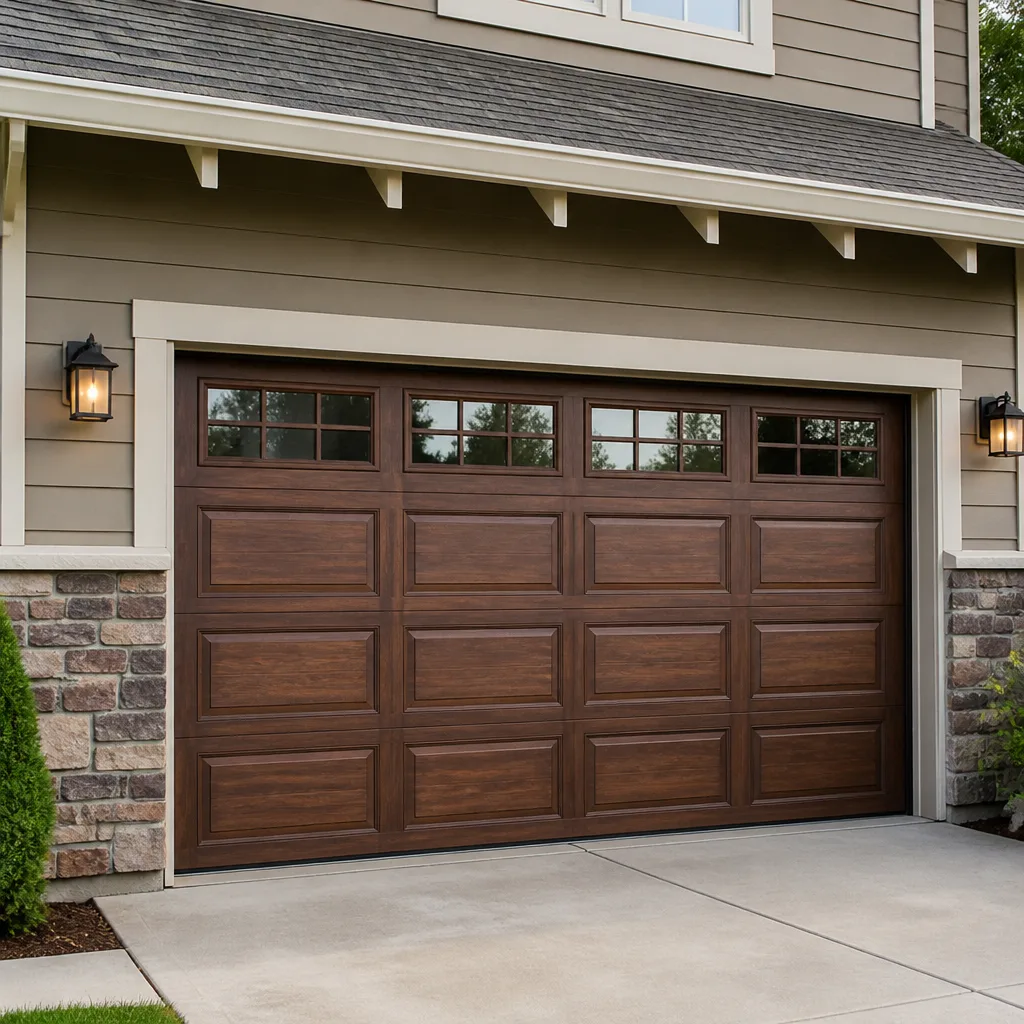
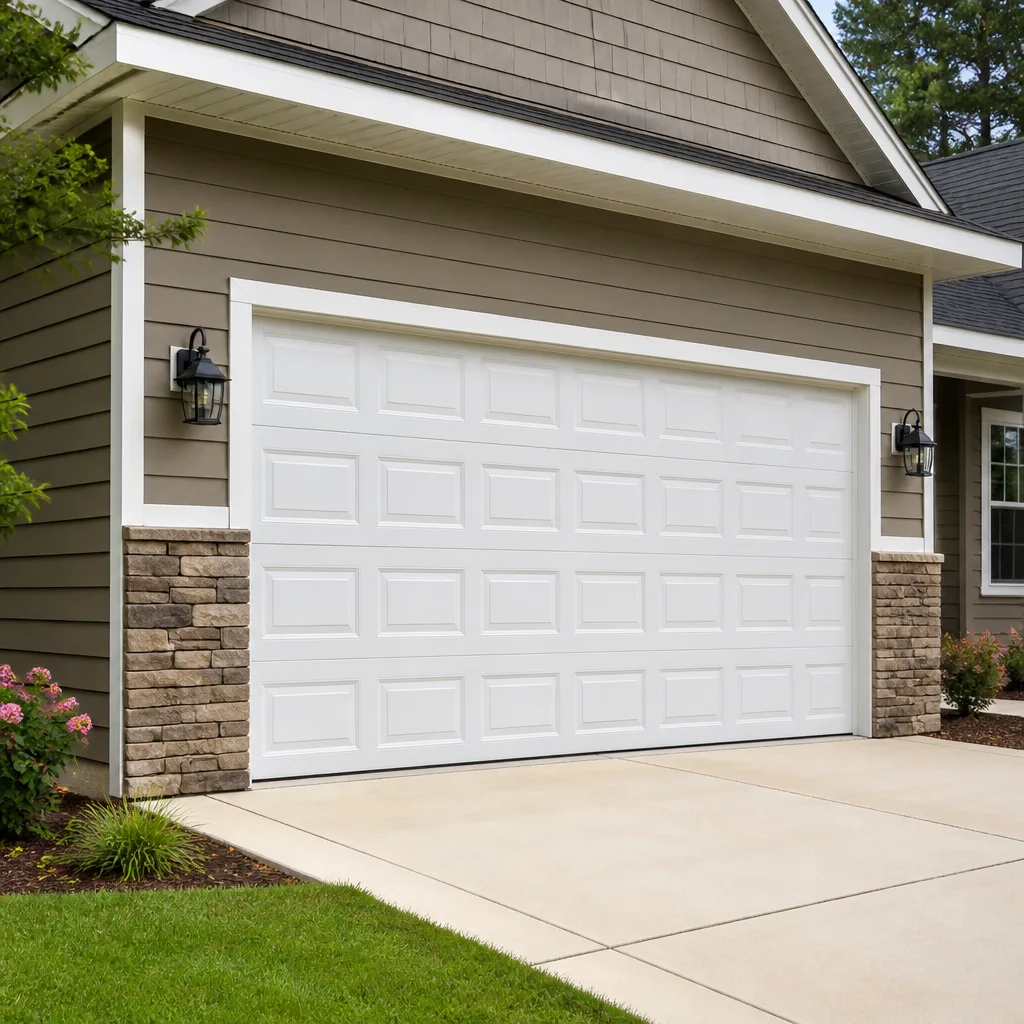 Raised-panel steel
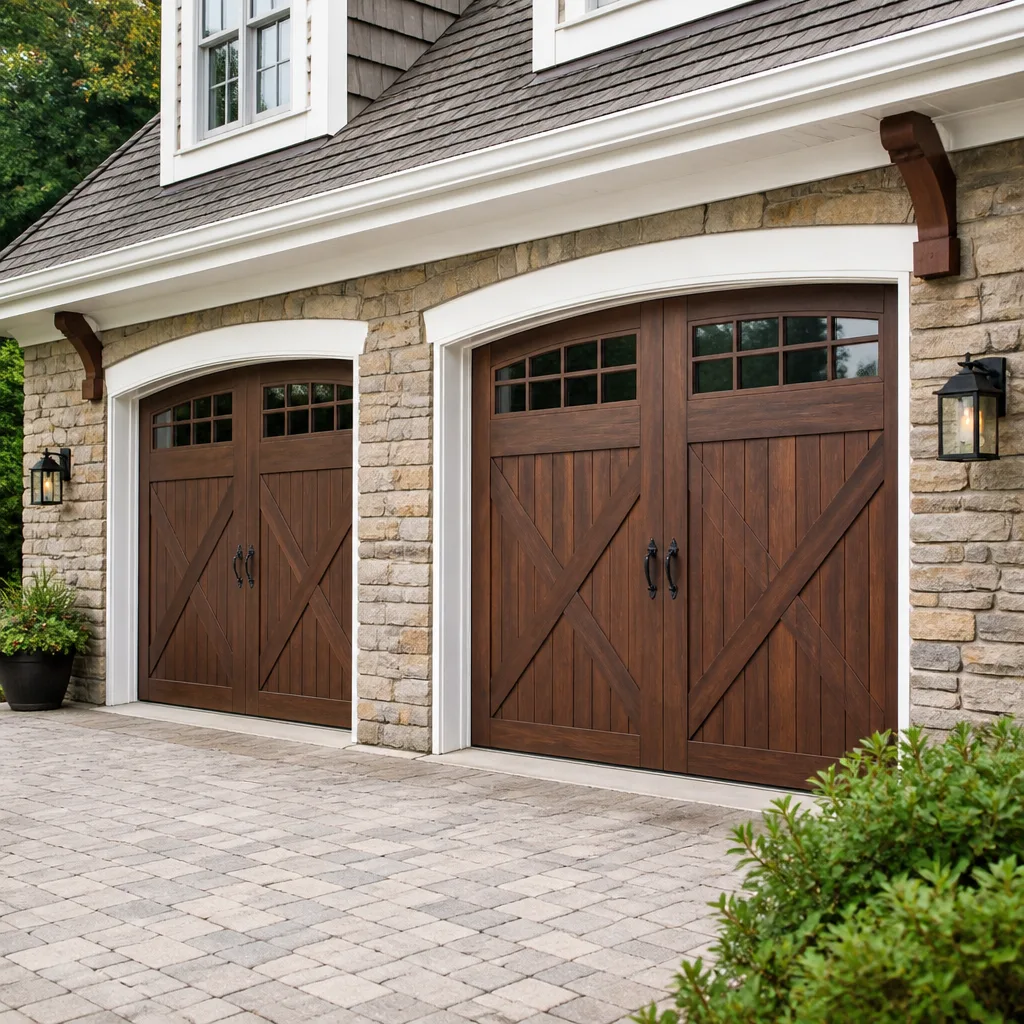 Carriage house
 Modern flush
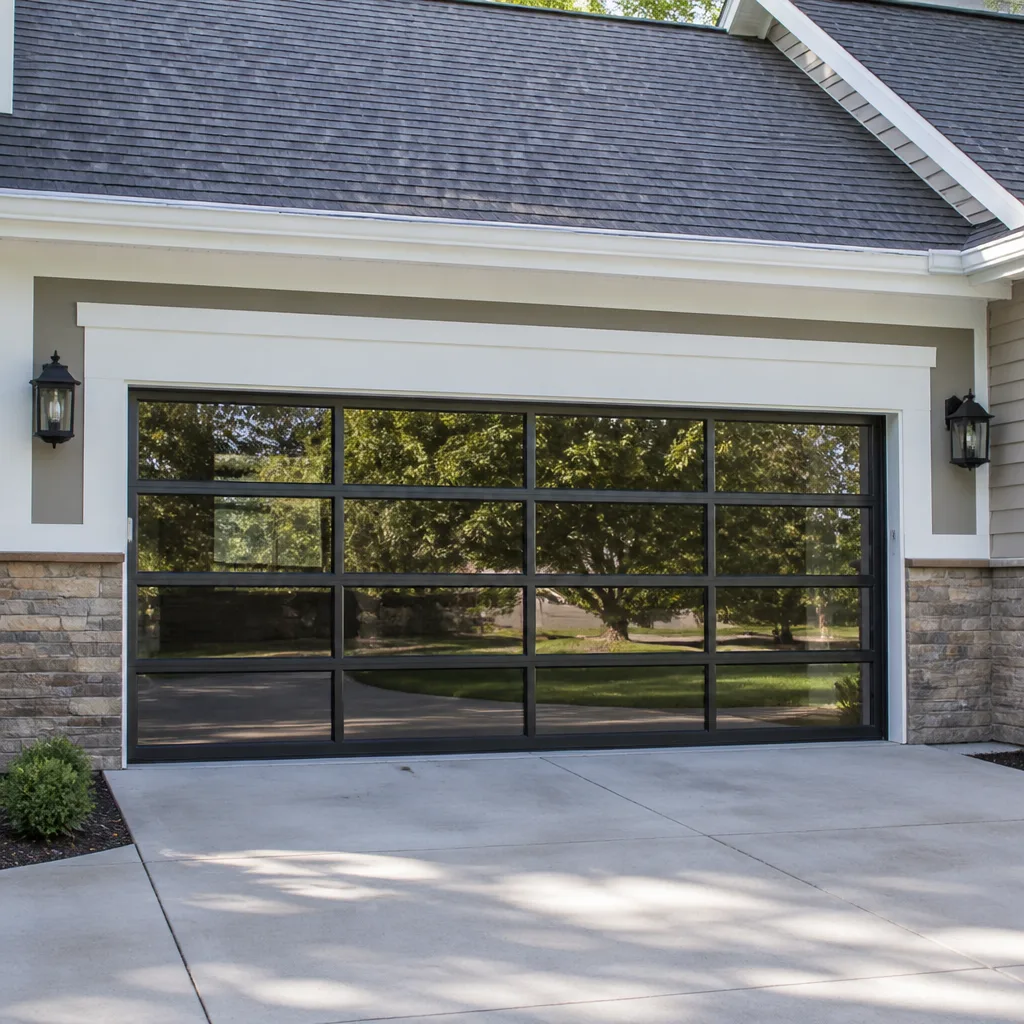 Full-view glass
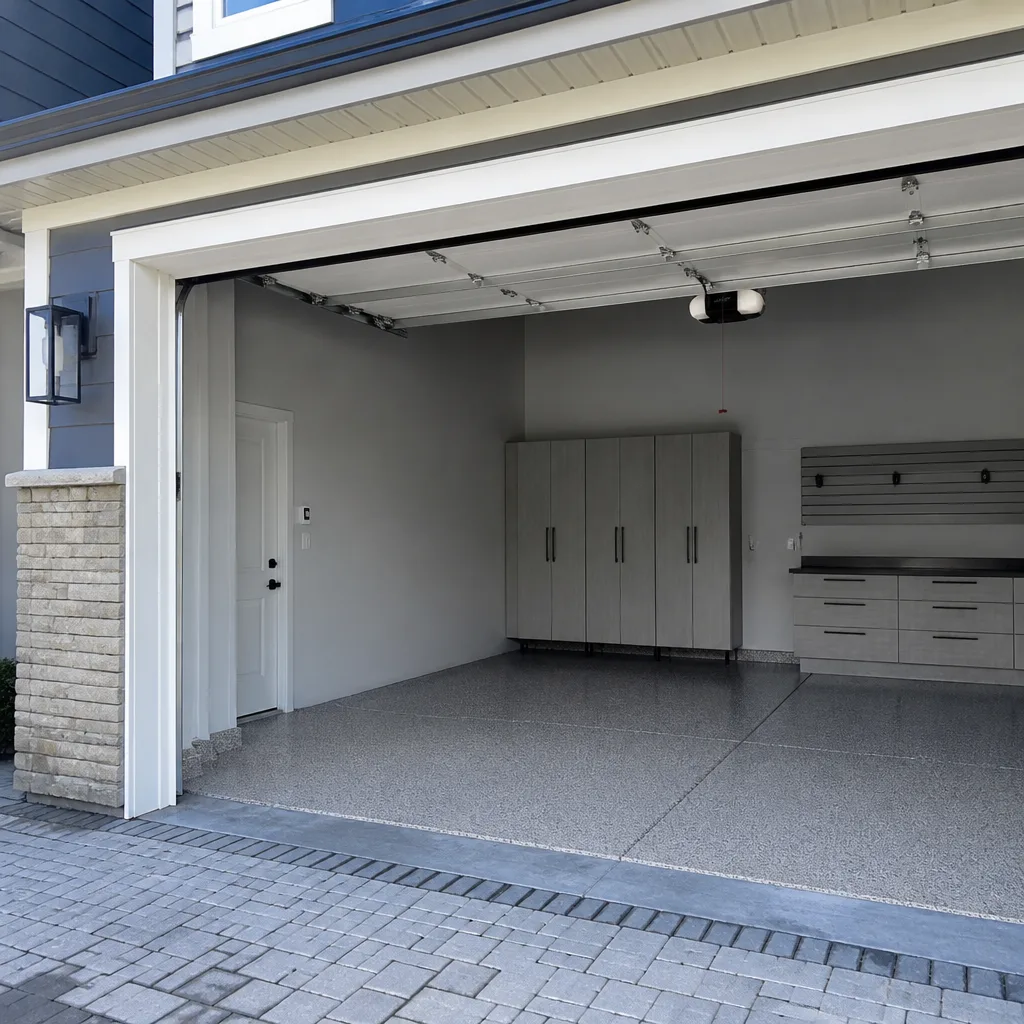 LiftMaster openers
 Chamberlain openers
Full 25-point door and opener safety check with every visit - springs, cables, rollers, tracks, and your LiftMaster or Chamberlain opener included
You get a price before we start. It does not change when the pro arrives.
Get your free estimateHow to Hire a Garage Door Contractor in Skokie: A Step-by-Step Guide
Illinois does not require a state license to work on garage doors. Most homeowners find that out after something goes wrong, not before. A snapped spring, a door hanging off its track, an opener that quit before a morning commute: each of those moments forces a fast decision, and the person you call may have no more credential behind them than a phone number and a truck. That’s the uncomfortable part of this trade. What follows is the vetting process you can run yourself in under an hour, written from a company that spends every working day on Skokie garage doors and knows what separates a specialist from someone fitting your door in between other jobs.
Styles & brands we work with
- Raised-panel steel
- Carriage house
- Modern flush
- Full-view glass
- LiftMaster openers
- Chamberlain openers
Quick Answer
To hire a garage door contractor in Skokie, ask for their certificate of general liability insurance and a workers’ comp certificate, confirm both are current, and ask four questions: do they specialize in garage doors, which brands do they work on, what exactly is in the written line items, and what do their warranty terms say in writing. Since Illinois has no state licensing for this trade, insurance proof and a written estimate are your two real filters. Expect the estimate to be free and the price to be agreed before any work starts.
Table of Contents
- Why Hiring a Garage Door Contractor in Skokie Is Riskier Than You Think
- Step 1: Request and Verify Insurance in Under Five Minutes
- Step 2: The Four Questions That Separate a Specialist from a Generalist
- Step 3: Red Flags Specific to Garage Door Quotes
- Step 4: How to Compare Quotes When Bids Are Bundled Differently
- Step 5: What a Legitimate Skokie Contractor Should Know About Permits
- Step 6: What a Normal Skokie Garage Door Visit Involves
- What Garage Door Work Typically Costs in Skokie
- Common Mistakes to Avoid
- When to Call a Professional
- Frequently Asked Questions
- The Bottom Line
Why Hiring a Garage Door Contractor in Skokie Is Riskier Than You Think
Most home services in Illinois ask you to verify a state license number before work begins. Garage door work is different. The state does not issue a license for it, which means there is no public registry to check and no disciplinary board keeping a list. A contractor who damages your door, drops a spring on your car, or leaves a track misaligned has no license for you to report to. Your only protection is what you collect before they arrive.
That gap matters more in Skokie than it might elsewhere because of the housing stock. Skokie has a large share of mid-century and older single-family homes with original or heavily replaced overhead doors, plus many townhomes and multi-unit buildings where an overhead door failure blocks shared parking. Doors here also sit through hard freeze-thaw cycles in winter and heavy summer humidity, both of which work on springs, cables, and the metal itself. That wear means garage door work is common in Skokie, which means there are plenty of people offering it and no registry telling you who’s accountable.
The good news: the vetting process is short. You need proof of insurance, a written estimate, and answers to four questions. That’s it. Everything below builds those three pieces out, so you can run them the next time a door fails.
What you’re actually protecting against
- A dropped spring. Torsion springs store enough energy to cause serious injury when they release unexpectedly. Somebody working without proper training and equipment is the risk, not just your door.
- An uninsured accident on your property. If a worker is hurt in your garage and there’s no general liability coverage, that exposure can land on your homeowner policy.
- Parts swapped for the wrong spec. A spring rated for a different door weight, or a cable with the wrong diameter, fails early and you pay twice.
- A “lifetime warranty” with nothing behind it. No terms in writing means no warranty at all.
If you’d rather start with the basics of what can break in the first place, our guide to Skokie garage door repair pros covers the common failure points and how each one is usually handled.
Step 1: Request and Verify Insurance in Under Five Minutes
Ask for two documents: a certificate of general liability insurance and a certificate of workers’ compensation insurance. Both should name the company doing the work, show an active policy period covering today’s date, and list the insurance carrier and a policy or certificate number. If a contractor hesitates on either request, that’s your answer, and you don’t need to schedule a visit to learn it.
Verifying them takes less time than the phone call itself. Here’s how to do it:
- Read the effective dates. A certificate is a snapshot of coverage at the moment it was issued. Make sure the policy period covers the date of your scheduled work, not just today.
- Match the named insured. The name on the certificate must be the company you’re hiring, not a similar-sounding entity or an individual working under a different name.
- Call the carrier. The number for the insurance company is printed on the certificate. One call confirms the policy is active and not cancelled.
- Ask for a copy for your file. A legitimate contractor sends a current certificate without friction. Keep it with your estimate.
Workers’ comp is the one homeowners skip, and it’s the one that matters most on garage door work. If a technician is injured on a ladder or while handling a torsion spring and the company doesn’t carry workers’ comp, the injury discussion can reach your homeowner policy. General liability covers damage to your property; workers’ comp covers the people on your property. You want both.
One note on what Illinois does and doesn’t require
The state doesn’t license garage door contractors, so when a company describes itself as state-licensed in this trade, ask what the license covers. We describe our technicians as experienced and the local professionals we connect you with as insured. That’s the honest version of the credential, and it’s the version you can verify before anyone touches your door.
Our technicians have up to 15 years of experience on garage doors and openers specifically, and the local pro arriving at your home is licensed and insured as their state requires. Neither is a substitute for running the checks above yourself.
Step 2: The Four Questions That Separate a Specialist from a Generalist
A handyman and a garage door specialist can quote the same broken spring and sound identical over the phone. Four questions pull them apart. Ask each one on that first call and listen for how specific the answer is.
1. Do you work on garage doors exclusively?
A specialist’s entire schedule is overhead doors and openers. A generalist’s isn’t. That difference shows up in tools. Torsion spring work needs winding bars sized to the spring, a cable puller, a door-weight scale, and the right safety setup for overhead tension. A general contractor arriving with a toolbox has none of that.
2. Which brands do you work on?
A vague answer (“we work on all of them”) is not the same as a specific one. Ask about the brand on your door. We service LiftMaster, Chamberlain, Genie, Clopay, Amarr, Wayne Dalton, Craftsman, and Raynor, and knowing the model changes how a diagnosis goes. A LiftMaster opener and a Genie opener have different diagnostic sequences and different parts behind the cover. A Craftsman door with a Wayne Dalton torsion setup needs spring specs matched to that door’s weight, not a generic spring selected for whatever fits.
3. What exactly is in the written estimate?
You want line items, not a single total. Ask them to separate labor from parts and to name the spring size, cable gauge, or opener model going on the door. A quote that says “replace spring: $X” with no spec is a quote you can’t compare to anything.
4. What does the warranty cover, and can I see it in writing?
The honest answer to this names what’s covered, for how long, and under what conditions. Ask for it on paper before you book. A “lifetime warranty” mentioned on a phone call and never written down isn’t worth the breath it took to say it.
What the answers tell you
- Specialist: names specific brands and models, explains spring sizing or opener diagnostics in plain terms, gives written line items, sends written warranty terms.
- Generalist: names the brand generically, quotes a lump sum, describes warranty as “lifetime,” pressures you to book today.
Once you have a good specialist, the actual repair is usually straightforward, and our page on garage door repair explains the sequence for common failures.
Step 3: Red Flags Specific to Garage Door Quotes
Garage door quoting has its own set of warning signs. These are the ones we’d flag if we were the homeowner on the other side of the phone.
Vague line items
An estimate that says “parts and labor” or “spring and tune-up” without naming what’s going on the door is not an estimate, it’s a number. Ask for the spring’s size designation, the cable diameter, or the opener model as written. If the contractor can’t supply it in writing, the quote isn’t finished.
“Lifetime warranty” with no terms
Ask three things: what the warranty covers (parts, labor, or both), how long it runs in actual months or years, and who honors it. If the answer doesn’t come on paper, treat it as no warranty. A written one-pager with the named coverage is the only version that has teeth.
Pressure to decide today
Fire, flood, and roof damage draw same-day decisions. A garage door seldom does. When a door won’t close, it’s a security issue and you should call right away. But “sign today or the price goes up tomorrow” is a sales tactic, not a scheduling reality. A contractor with a real schedule can hold a written estimate for a few days.
No written estimate before work begins
The price must be quoted and agreed in writing before any tool comes out of the van. If a technician starts work and tells you the price afterward, you’ve lost control of the bill.
Refusing to put the spring size on the quote
Garage door springs are sized by wire gauge, inside diameter, and length. Two springs of the same length and different wire gauges have different lifespans. A written quote names the spec. Verbal-only quotes don’t.
Skipping the door check
Springs, cables, and rollers work together. A technician who replaces a spring without checking the balance of the door and the condition of the cables will hand you a bill for one spring and a callback in six months when the cables need replacing. Ask whether they check the door balance before and after the repair. A specialist does.
Not carrying insurance certificates
We covered this in step one. Anyone who can’t produce both certificates on request has disqualified themselves before they’ve quoted a dollar figure.
Step 4: How to Compare Quotes When Bids Are Bundled Differently
The hardest part of hiring is comparing two or three bids that seem to be quoting different things. One contractor bundles labor and parts into one figure. Another lists them separately. A third quotes a spring replacement and throws in “adjustment” without saying what that means. Comparing totals without normalizing the bids gets you the cheaper-looking quote, not the cheaper job.
Normalize every quote into the same four columns
- Labor: the hours and rate quoted for the job, or a flat labor figure.
- Parts, itemized: spring size designation, cable gauge and length, roller type and count, hinge type. Every part should be named, not just count.
- Opener or door model: if an opener or new door is part of the job, the exact model number. A “LiftMaster opener” and a “LiftMaster 8500” are not the same line item.
- Warranty terms: parts coverage, labor coverage, and duration in months or years, in writing.
Once each bid is in the same columns, compare the springs first. Two bids that both say “replace torsion spring” and differ by $60 often differ because one is quoting a heavier-gauge spring that lasts longer and the other is quoting a lighter one. Cheaper at the quote, more expensive over the door’s life. Ask both contractors to state the spring’s rating in writing and compare those side by side.
The comparison mistakes to avoid
- Comparing one bundled total against an itemized one. Split the bundled bid out before comparing numbers.
- Assuming a low quote means a low-quality part. Ask. The low quote might be the same part with less labor. The high quote might be a heavier part with the same labor.
- Guessing what “adjustment” covers. It should mean checking the door’s balance, tightening hardware, and lubricating moving parts. Ask them to confirm.
- Choosing on total only. The parts and warranty terms change what the door does six months from now.
Written estimates are free and the price is set per job, agreed before work starts. If a job you’re quoting involves cables or a torsion system, our page on garage door spring repair walks through what a proper spring job covers. Any quote that includes an opener should come with a model number, and our garage door opener repair page explains what different opener issues actually involve.
Step 5: What a Legitimate Skokie Contractor Should Know About Permits
Most garage door repairs don’t require a permit. Replacing a spring, a cable, a roller, or an opener is maintenance, and it’s handled as such. Replacing the entire door, altering the structure above the opening, or changing the header or framing is the kind of work that often triggers a permit, and the specific requirements are set by the local building department, not by the contractor.
A contractor familiar with Skokie work knows this distinction without being asked. When you get to the estimate stage for a full door replacement, here’s how to test whether they do:
- Ask: “Does this job need a permit?” The answer should reflect actual practice in Skokie, not a generic yes or no. Skokie’s building department sets the rules, and a local contractor will know which jobs get filed and which don’t.
- Ask who files it. If the permit is required, the licensed contractor typically pulls it and it should appear in your paperwork.
- Ask what the inspector checks. A door replacement involves the opening’s structural condition, the spring and cable system, and the safety features on the opener. A contractor who can describe what the inspection looks at has done this before.
- Ask the city yourself. Call Skokie’s building department with your project description and ask if a permit is required. That call costs nothing and it’s the ground truth.
A contractor who claims “no permits are ever needed” for a door replacement probably isn’t filing them, and the paper trail matters if you ever sell the home. On that point, the answers are general. We recommend confirming your specific project with Skokie’s building department before any work begins.
Neighborhoods and housing types in Skokie
Overhead door work varies with the housing type. Single-family homes near the Skokie Swift line and throughout the village often have attached garages with conventional torsion doors. Townhome and multi-unit complexes use shared driveways and overhead doors at the parking structure, where a single failure can block several residents. The type of door and its spring system changes what the visit involves and how long it takes, so the more you can tell the contractor about your door (brand, door type, single or double car, opener brand), the more accurate the initial quote will be.
Step 6: What a Normal Skokie Garage Door Visit Involves
A garage door call is a diagnostic and a repair in the same visit, and knowing what to expect keeps you from being surprised by the invoice. Here’s the sequence we see on a typical Skokie job:
- Phone intake. The contractor asks about the door’s symptom (won’t open, opens partway, bangs, won’t close), the door type and brand, and the opener brand. That intake shapes what parts come with them.
- Written estimate before work. The technician inspects the door and supplies a written estimate naming parts and labor. The price is quoted and agreed before any tool comes out.
- Balance and safety check. Before and after the repair, the door is tested for balance. This tells you whether the springs are matched to the door’s weight and whether the opener’s safety feature stops the door when it meets resistance.
- The actual repair. Spring replacement, cable work, roller replacement, or opener repair, done with the parts named on the estimate.
- Test cycle and hand-off. A full open-and-close cycle, a clean check of the safety reverse, and any written warranty paperwork handed to you.
Repair work is often same-day. Full door replacement is measured, ordered, and scheduled, which is why the same-day promise isn’t made on installation jobs. We answer 24/7, with fast dispatch from 7am to 7pm, Sunday through Friday.
What to have ready when you call
- The door brand and type (sectional, carriage-house, one-piece).
- The opener brand if you know it, or a photo of the motor housing.
- The symptom in plain terms: what it does, what it doesn’t do, and when it started.
- Whether the door is single- or double-car, and whether it’s an attached or detached garage.
What Garage Door Work Typically Costs in Skokie
Garage door pricing in Skokie depends far more on what’s actually broken than on the neighborhood, so the most honest way to present it is by job type. Below is typical estimated pricing for the most common jobs. These are ranges, not quotes. The written estimate sets the final price.
| Job | Typical estimated range | Notes |
|---|---|---|
| Single torsion spring replacement | $180 to $340 | Per spring. A matched pair is usually replaced together, so a pair costs about twice that. |
| Spring pair, matched | About twice the single-spring range | Most standard doors carry two springs that share the load and are replaced as a pair. |
| Opener repair (board, gears, travel) | $150 to $450 | Depends on the opener brand and which part failed. |
| New opener installation | $350 to $650 | Model and features drive the range. |
| New door installation | $1,200 to $4,500 | Door style, size, insulation, and window options drive the range. |
| Cable, roller, or hinge replacement | $120 to $350 | Often grouped with a spring job. |
Two things to know about the numbers. First, spring prices are for one spring each; a pair is about twice the single figure. Second, these ranges assume standard residential doors. Oversized doors, carriage-house styles, or heavily windowed doors sit outside the top of the range for that category. The written estimate is where the actual number lives.
Why Skokie quotes can vary
Skokie homes run from small single-car garages to oversized two- and three-car garages, and the door weight drives spring and cable specs. Winter freeze-thaw cycles are also hard on springs and opener gears, and a door that’s spent a few winters in a Skokie garage may need the cables and rollers examined at the same time as the spring. A quote that includes those checks is more honest than one that quotes the spring alone and leaves the cables for a second visit.
If you’d like to run your specific door past us before you commit to a contractor, call (844) 789-1173 for a free estimate. We answer 24/7.
Common Mistakes to Avoid
- Hiring on price alone. The low quote is often a lighter spring or a bundle that hides labor. Ask what’s in the part, not just the total.
- Skipping the insurance certificate. If a worker is hurt in your garage and there’s no workers’ comp, the discussion can reach your homeowner policy. It’s the single most important document you’ll request.
- Accepting “lifetime warranty” on a phone call. Lifetime isn’t defined until it’s written down. Ask for the terms in writing, with the parts and labor coverage named.
- Replacing one spring and not the pair. Two springs share the load. Replacing one leaves the second bearing a load it wasn’t designed to carry. A specialist will tell you this without being asked.
- Assuming a handyman is cheaper. A generalist on a torsion system without the specific tools will often need a second visit, which makes the cheap quote more expensive overall.
- Not asking about permits on a full replacement. Replacing the whole door is often a permitted job in Skokie. Ask the contractor and confirm with the Skokie building department before work begins.
- Deciding under pressure. A garage door is not a roof leak. A written estimate should be able to hold for a few days so you can compare it against another bid.
When to Call a Professional
Some garage door problems are clearly safe to investigate yourself: an opener with a dead battery, a photo-eye lens that’s dirty, a door that’s off its tracks by a few inches. Others warrant a call before you touch them. A snapped torsion spring is the clearest example: the spring is under high tension and holds enough energy to cause serious injury if it releases unexpectedly. Beyond a broken spring, call for a door that hangs unevenly or won’t stay open, a cable that’s visibly frayed or slack, an opener that runs without moving the door, a door that reverses partway closed, or any loud bang followed by a door that won’t lift.
If the door is off its tracks or the spring is broken, don’t force it open or closed by hand. Call and describe what you see. Skokie Garage Door Repair Pros offers free estimates in Skokie: call (844) 789-1173. We answer 24/7, with fast dispatch from 7am to 7pm, Sunday through Friday. A call outside dispatch hours is booked into the next opening.
Frequently Asked Questions
Illinois does not require a state license for garage door work, so there is no state license number to check. The real filters are proof of general liability insurance, proof of workers’ comp, and a written estimate, and you can request all three before you book. Ask any contractor for both insurance certificates and confirm the policy is active before work begins.
Single spring repair in Skokie typically runs $180 to $340, and a matched pair is usually replaced together at about twice that range. The written estimate sets the final price, and it’s free. Call (844) 789-1173 for an exact quote, with estimates free.
Repair calls are often handled same-day. We answer 24/7, and dispatch runs from 7am to 7pm, Sunday through Friday; a call outside those hours is booked into the next opening. And a price is agreed in writing before any work starts. Call (844) 789-1173 and describe the symptom so we can book the right window.
Not without your agreement. The written estimate is the price, and if the inspection turns up something not covered in the estimate, that goes in a revised written quote you can approve or decline first. Call (844) 789-1173 for a free estimate, and keep the number for the next time a door fails.
The local professional arriving at your home is licensed and insured as their state requires, and our technicians have up to 15 years of experience on garage doors and openers. Since Illinois doesn’t license this trade at the state level, ask for the insurance certificates in step one and verify them yourself. Call (844) 789-1173 for a free estimate.
Replace both if they were installed as a pair and are near the same age. Two springs share the door’s weight, so replacing one leaves the second bearing a load it wasn’t sized for, and a callback is likely. A specialist will balance the door and check the second spring rather than replace the first one alone. Call (844) 789-1173 for a free estimate on a matched pair.
At minimum, the brand on your door and the brand of the opener. Our technicians work on LiftMaster, Chamberlain, Genie, Clopay, Amarr, Wayne Dalton, Craftsman, and Raynor, which covers most of the residential installations in Skokie. Knowing the model changes the diagnosis, so a contractor who can walk through the specifics of your brand is the one to hire.
The Bottom Line
The hardest part of hiring a garage door contractor in Skokie isn’t finding someone to quote a spring. It’s filtering out the contractors whose quotes look identical and whose accountability isn’t. Since Illinois doesn’t license this trade, your two filters are proof of insurance and a written estimate, and both are your job to verify before work begins. Ask the four questions: specialization, brand familiarity, line items, warranty terms. Compare bids on the parts, not the totals. Ask about permits on a full replacement. And treat any pressure to decide today as the answer to a question you didn’t ask.
When you’re ready to compare a written estimate against what you’ve already got, call (844) 789-1173. We answer 24/7, with fast dispatch from 7am to 7pm, Sunday through Friday. The estimate is free, and the price is agreed before any work starts.
Written by the team at Skokie Garage Door Repair Pros.
See the difference
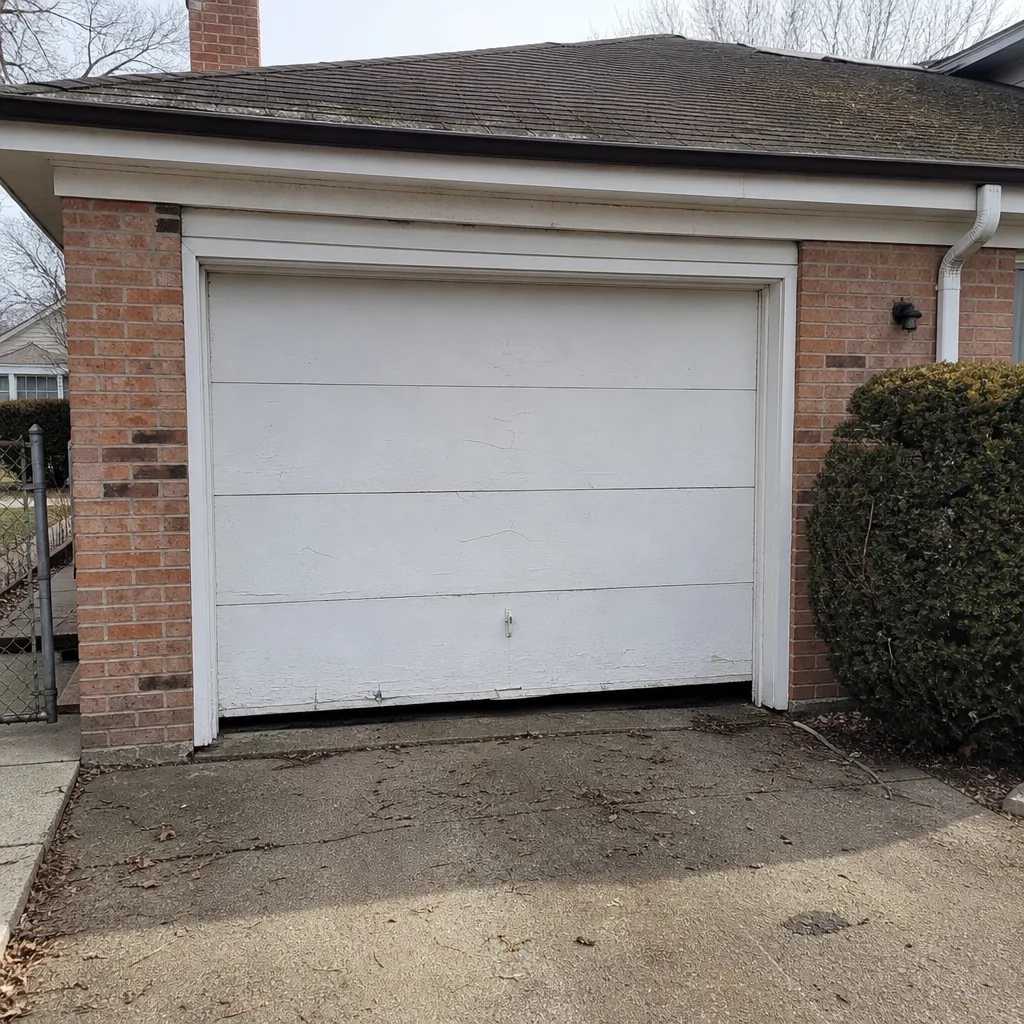 Before
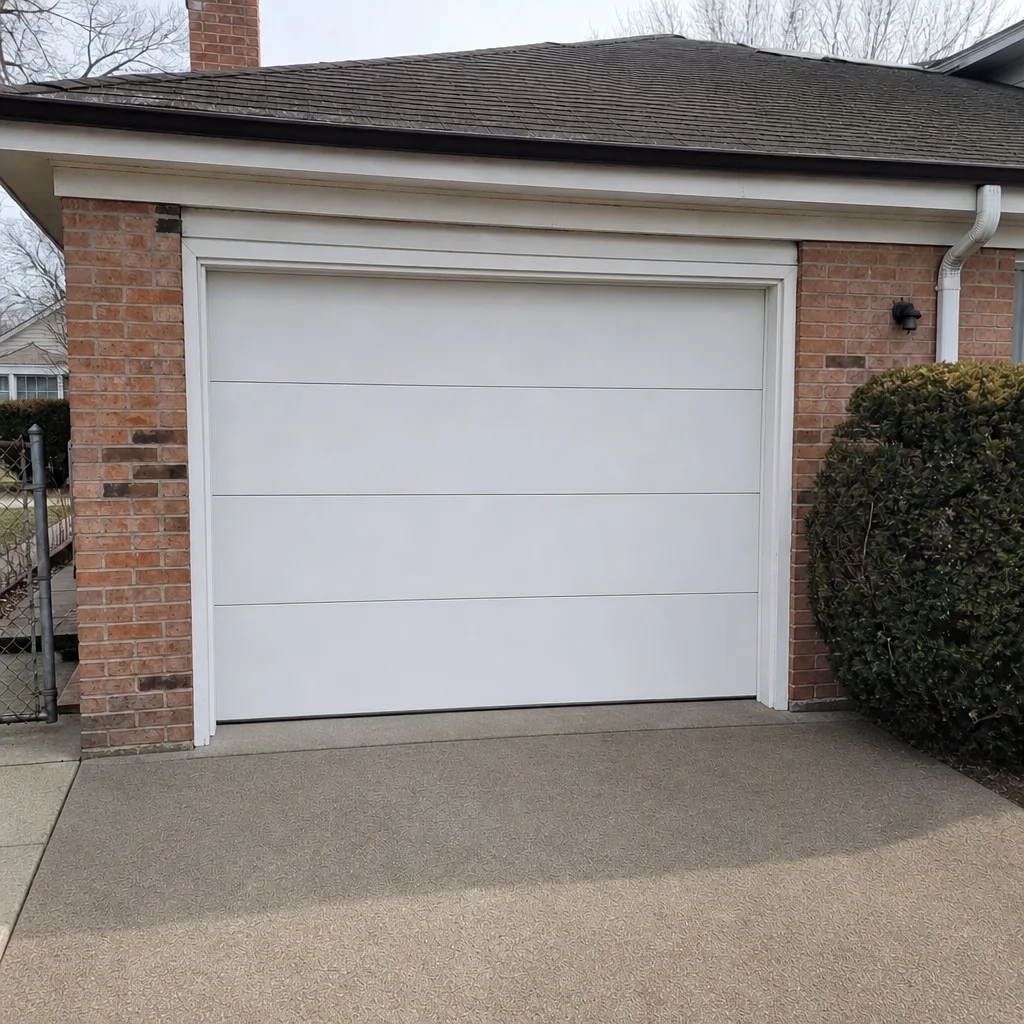 After
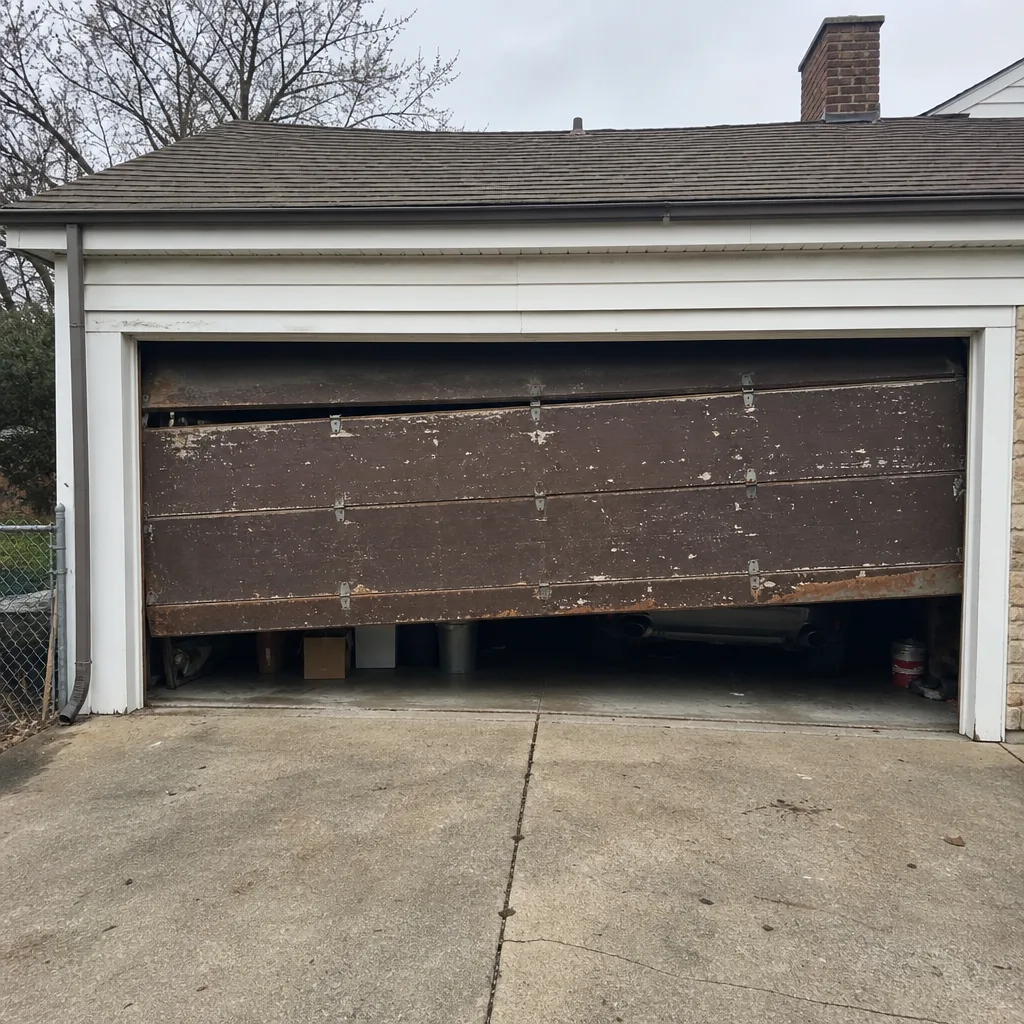 Before
 After
 Before
 After