
Last updated November 23, 2026
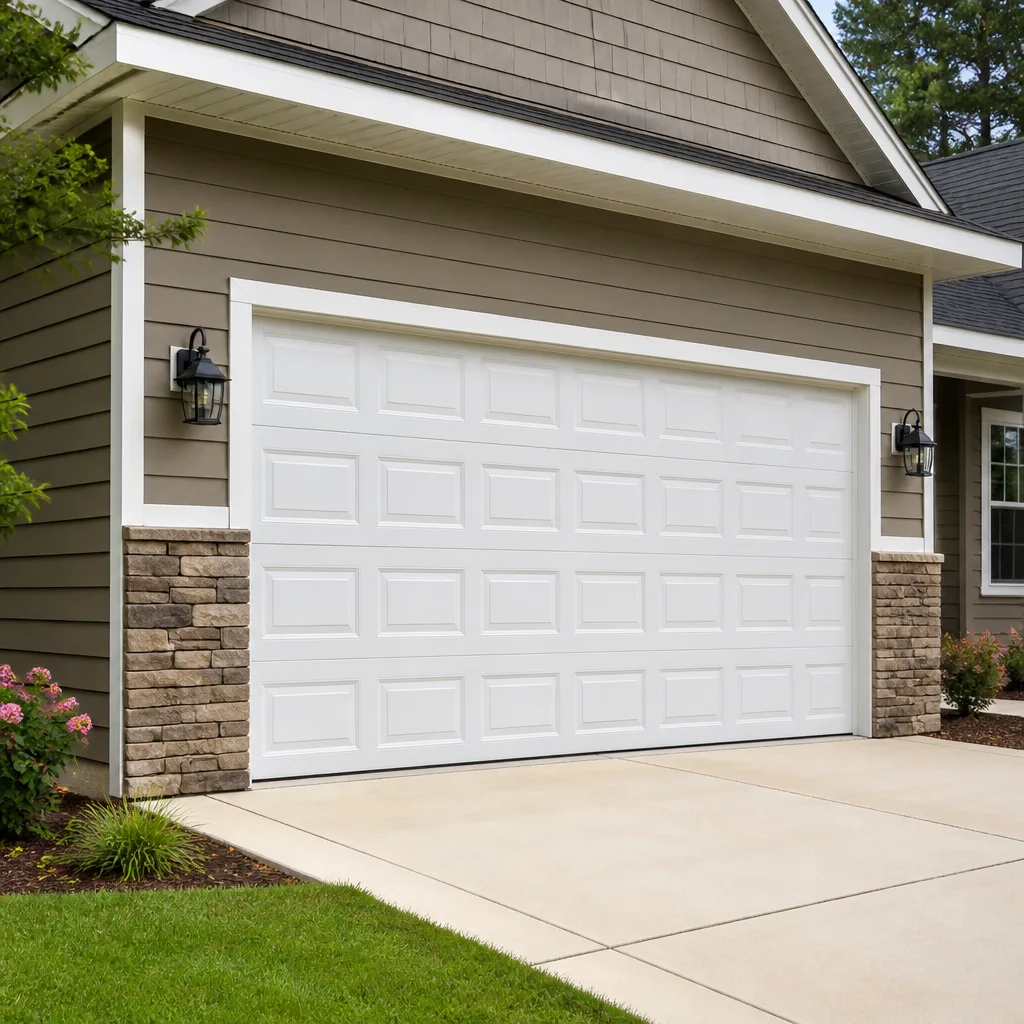 Raised-panel steel
 Carriage house
 Modern flush
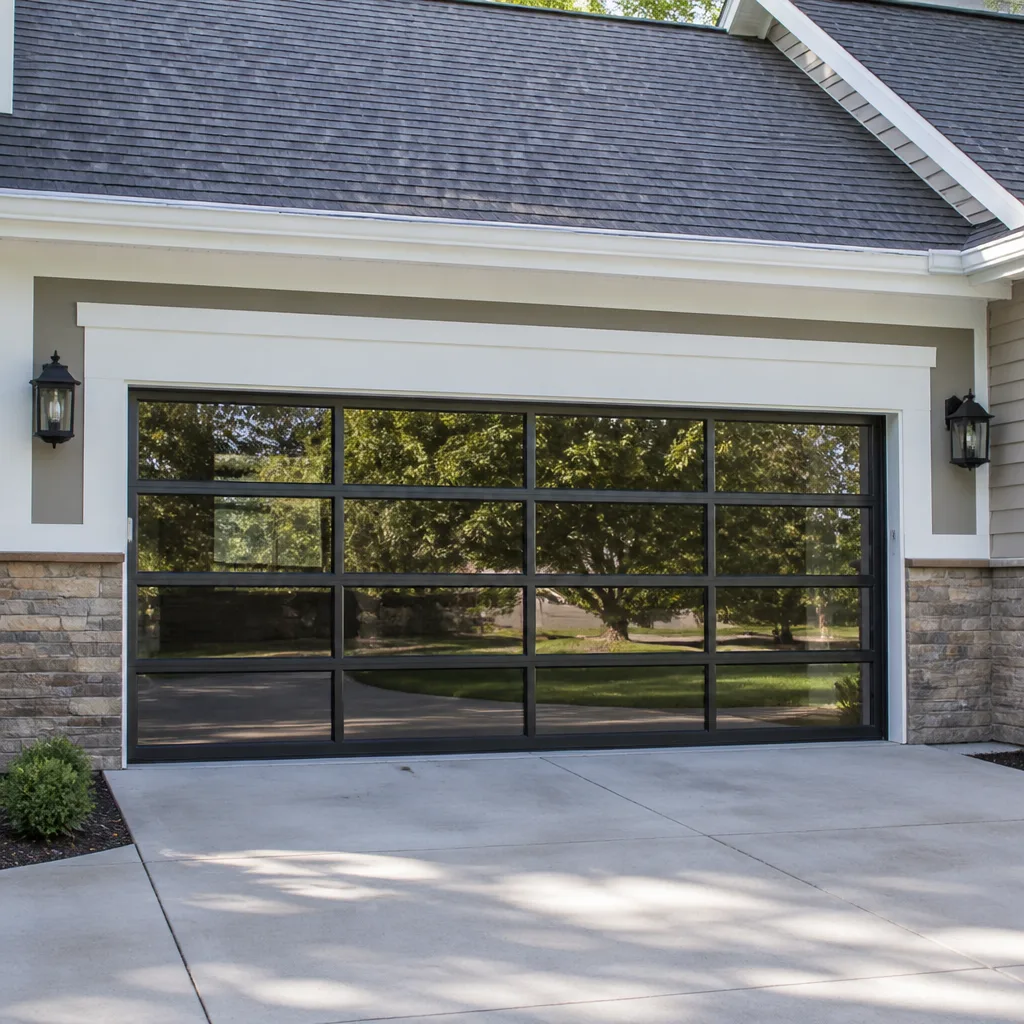 Full-view glass
 LiftMaster openers
 Chamberlain openers
Full 25-point door and opener safety check with every visit - springs, cables, rollers, tracks, and your LiftMaster or Chamberlain opener included
You get a price before we start. It does not change when the pro arrives.
Get your free estimateGarage Door Repair Maintenance Checklist for Skokie Homeowners
Most garage door failures announce themselves weeks before they strand a car. A door that shudders on the way up in January, or a roller that squeals a little louder each week, is giving you free information. The trouble is that few homeowners know what a failing part actually looks, sounds, and feels like, so “inspect the door” turns into a vague stare at some metal. This guide fixes that. We’ve built a real checklist around the failure patterns we see most on Skokie doors after the freeze-thaw swing of a Chicagoland winter and the sticky humidity of July. It gives you pass/fail criteria for each item, tells you which tasks actually extend component life, and flags the three steps most people skip. It’s a 12-minute monthly check that can save you a cold morning stranded in the driveway.
Styles & brands we work with
- Raised-panel steel
- Carriage house
- Modern flush
- Full-view glass
- LiftMaster openers
- Chamberlain openers
Quick Answer
A useful garage door maintenance checklist for Skokie homeowners covers seven things: balance, springs, cables, rollers, hinges, weather seal, and opener force. Test each one against a clear pass/fail line once a month, lubricate moving metal twice a year, and log what you find. Balance and spring condition are the items that prevent breakdowns. The rest mostly protect the door and your energy bill.
Table of Contents
- Why a Checklist Beats a Repair Call
- The 12-Minute Monthly Check: Seven Pass/Fail Tests
- Test 1: The Balance Test
- Test 2: Spring Condition and Torsion vs. Extension
- Test 3: Cables, Rollers, and Hinges
- Test 4: Weather Seal and the Skokie Winter Gap
- Test 5: Opener Force and Safety Reverse
- Lubrication: What to Use and What Will Cost You
- How to Log Maintenance for Faster Diagnosis
- Common Mistakes to Avoid
- When to Call a Professional
- Frequently Asked Questions
- The Bottom Line
Why a Checklist Beats a Repair Call
A garage door is a spring-loaded system under constant tension, and most of its parts wear on a predictable schedule. That predictability is your advantage. If you know a torsion spring has a finite cycle life, and you know how many times a day your door opens, you can anticipate failure instead of being surprised by it. A checklist turns that math into a habit.
The reason nine out of ten service calls involve a problem that gave warning weeks earlier isn’t laziness. It’s that the warning signs are subtle and easy to misread. A door that reverses on its own near the floor looks like an opener glitch. Often it’s a misaligned track or a worn roller dragging on one side. Without a baseline, you have no way to tell which.
Skokie homes make this especially worth doing. The village’s blocks of brick ranches and split-levels mostly date from the post-war building boom, and many still have their original single-car or one-and-a-half-car doors. Those doors have survived dozens of winters where temperatures swing from the teens to the forties and back within a week. That freeze-thaw rhythm works on seals, hinges, and the door panels themselves. A door that’s fine in October may grind by January, and the difference is usually something a monthly check would have caught.
We service a lot of these older doors across Skokie, and the pattern holds: the homes that get a quick once-over each month call us for scheduled work, and the homes that don’t call us for emergency work. Same door, different outcome. If you’d rather hand the whole thing to a specialist, our garage door repair team can do the inspection for you. But the monthly check is something you can genuinely do yourself, and it pays off.
The 12-Minute Monthly Check: Seven Pass/Fail Tests
Here’s the whole routine. Each test takes a minute or two, and each one has a clear line between pass and fail. Walk through them in order, because the balance test needs to happen before you move on to anything that depends on door travel.
- Balance test. Disconnect the opener, lift the door halfway by hand, and let go. It should stay put. If it drops or rises, the springs are out of balance and the opener is carrying weight it wasn’t designed to carry.
- Spring check. Look at the springs above the door. A torsion spring with a visible gap means it’s broken. Extension springs should have no stretched coils or frayed ends.
- Cable check. Both cables should run straight and taut along the sides. Fraying, kinks, or slack all fail.
- Roller check. Rollers should spin freely with no flat spots. A wobbling or frozen roller scrapes the track.
- Hinge check. Hinges should be tight with no rusted or bent plates. Wiggle each one; it shouldn’t move more than a hair.
- Seal check. With the door closed, the bottom seal should touch the floor along its full width with no daylight showing through.
- Safety reverse test. Put a block of wood on the floor under the door and close it. The door should reverse on contact. If it doesn’t, the opener’s force setting needs adjustment.
Log the pass/fail result of each test with the date. A single fail isn’t always a crisis. Two months of the same fail is. That record is what lets a technician diagnose in one visit instead of two.
Test 1: The Balance Test
The balance test tells you whether your springs are doing their job. It’s the most important item on the checklist because every other component works harder when the door isn’t balanced.
To run it, first pull the release cord to disconnect the opener from the door, then lift the door by hand to about waist height and stop. Let go. A balanced door stays roughly where you left it. If it slides down, the springs are too weak and the opener is doing the lifting. If it wants to rise, they’re too strong. Either way, the door is out of balance, and the fix is a spring adjustment or replacement, not a stronger opener.
Balance problems show up faster in Skokie than in milder climates because the springs cycle more in a cold season. Cold stiffens the grease in the tracks and the torsion spring steel loses a bit of flexibility, so the door feels heavier to the opener than it did in summer. That extra resistance accelerates wear on the opener’s gear and belt. If your balance test fails two months running, don’t wait for the door to stop opening. Book a repair before the opener is the thing that breaks.
Reconnect the opener only after you’ve finished the balance test. Lifting a disconnected door by hand is safe when you stay out from under it. Never stand beneath a door you’ve released, and never try to adjust spring tension yourself. Those springs hold enough force to cause serious injury, which is why we treat garage door spring repair as its own specialty rather than a general repair task.
Test 2: Spring Condition and Torsion vs. Extension
Skokie has two spring types in circulation, and the check differs for each. Knowing which you have tells you what failure looks like.
Torsion springs mount on a shaft above the door, running horizontally. The check is visual: a clean gap anywhere along the coil means the spring has snapped and the door won’t open safely. Torsion springs usually come in matched pairs, and a pair is meant to be replaced together. Replacing one of a pair just shifts the load onto the older spring.
Extension springs run along the horizontal tracks on either side of the door, stretching as the door closes. Look for stretched sections, gaps between coils, or a rusted end. Extension springs should have a safety cable running through the middle of each one; if yours don’t, that’s a fail worth fixing before anything else.
Springs wear by cycle, not by calendar. A door that opens four times a day wears its springs out roughly twice as fast as a door that opens twice a day. That’s why two identical Skokie homes can have very different spring life. If you can count your daily cycles, you can estimate when to expect a spring change. It won’t be exact, but it turns “out of nowhere” into “about due.”
Don’t try to wind or unwind a torsion spring. The reason we say this twice is that it’s the one task on the list that genuinely belongs to a trained specialist. A spring under tension stores a lot of energy, and there’s no safe way to manage it without the right winding bars and the experience to use them. If a spring is broken or visibly weak, stop using the door and call for help.
Test 3: Cables, Rollers, and Hinges
Cables, rollers, and hinges are the moving parts you can actually see, and each has a simple pass/fail check. These are the items most often skipped, and they account for a large share of mid-winter breakdowns in Chicagoland.
Cables run from the bottom corners of the door up to the springs. Both should be straight and under light tension. Fraying, a kink, or a cable that’s gone slack all fail. A loose cable means the door is riding unevenly. A frayed one can snap, and a snapped cable drops one side of the door.
Rollers are the wheels in the track. There are two kinds: steel and nylon. Spin each one by hand. A good roller turns freely with no flat spots. Steel rollers develop flat spots and get noisy; nylon rollers crack and split. Either way, a frozen roller scrapes the track and makes the door jump.
Hinges connect the door panels. Wiggle each hinge. It should be tight and free of rust. Loose hinges let panels shift, which throws the whole door out of alignment. Rusted hinges seize up and put strain on the opener.
These three components work as a system. A worn roller puts sideways pressure on a hinge, a loose hinge shifts a panel, a shifted panel pulls a cable off its drum. The chain reaction usually starts small. That’s why checking all three every month catches problems before they compound. For a Craftsman or Wayne Dalton door in particular, original rollers and hinges are common on older Skokie homes, and they’re often the first parts to go.
Test 4: Weather Seal and the Skokie Winter Gap
The weather seal at the bottom of the door does more than keep out drafts. It’s the barrier between your garage and the cold, and in Skokie a failed seal turns the garage into a walk-in freezer through the winter.
Close the door and look along the bottom edge from inside the garage. The seal should touch the floor across its full width. Daylight, a visible gap, or a seal that’s flattened and stiff all fail. Rubber seals harden in cold weather. Vinyl seals crack. Both lose their flexibility and stop making contact.
The seal check is where the freeze-thaw cycle bites hardest. A seal that was watertight in September can be brittle by December, and once it stops sealing, cold air pours under the door. That costs you heat and can let snowmelt creep in, where it refreezes and damages whatever sits on the garage floor. Skokie’s winters make the seal the cheapest, most effective line of defense you have. Replacing it is a straightforward job and one you can often do yourself if the bottom retainer is in good shape.
While you’re at it, check the seals along the sides and top of the door. Those wear more slowly, but they matter for keeping water out of the wall framing. A gap at the top of the door in a brick ranch often means the header has swelled or the weatherstrip has come loose.
Test 5: Opener Force and Safety Reverse
Your opener has two settings that matter for safety: the force setting and the safety reverse. Both are simple to test and both fail quietly.
To test safety reverse, place a piece of wood on the floor under the middle of the door and close the door. It should reverse on contact with the wood. If it presses down hard instead, the force setting is too high or the sensor is out. Test this every month, because it’s the one feature that protects a child or a pet standing under a closing door.
Most openers today come from LiftMaster or Chamberlain, and those brands build a reliable reversing system into their units. Genie openers are also common in older Skokie homes. Whatever brand you have, the test is the same. The force setting should be high enough to lift the door and low enough to reverse on contact. If your opener is a LiftMaster or a Chamberlain with a battery backup, test the backup by unplugging the unit and cycling the door once a month during winter.
If the door reverses for no apparent reason near the floor, or the opener clicks without moving the door, the problem may be the opener itself rather than the door. Our garage door opener repair technicians work on the actual brand in your garage, not a generic approximation of it, which saves time when the fault is brand-specific.
Lubrication: What to Use and What Will Cost You
The right lubricant keeps a door quiet and smooth for years. The wrong one can damage your rollers or void your opener warranty. This is where a lot of well-meaning homeowners go wrong.
Use a white lithium grease or a silicone-based lubricant on the moving metal: the hinges, the rollers’ bearings, the spring coils (lightly), and the opener’s rail. Apply a modest amount twice a year, once before winter and once at the start of summer. Wipe off any excess.
Here’s what to avoid, and why it matters:
- WD-40 or petroleum spray on rollers or nylon parts. Basic WD-40 is a solvent, not a lubricant. It strips the factory grease and can degrade nylon rollers, causing them to crack. On a door with nylon rollers, this is a direct cause of failure.
- Motor oil or heavy grease on the tracks. These attract dust and grit, which turns the track into a grinding paste that wears rollers faster.
- Graphite or dry lubricant on the opener’s moving parts. Some opener manufacturers specify against it, and using the wrong product can void a warranty on newer units.
- Household silicone spray on the springs. A little is fine on the coils, but too much collects grit between the coils.
Always check your owner’s manual first. A Craftsman or Raynor opener, for example, may have specific lubrication guidance that differs from other brands. Using the wrong product won’t just cost you a roller; on some units it can void the warranty outright. When in doubt, ask before you spray.
How to Log Maintenance for Faster Diagnosis
A maintenance log is the most underused tool in garage door care. It does two things: it speeds up a technician’s diagnosis, and it documents the door’s condition for a future home sale.
You don’t need a spreadsheet. A notebook in the garage works. Log each monthly check with the date and the pass/fail result for all seven tests. Note anything you lubricated and when. Note any noise, shudder, or change in how the door moves. When a technician asks “when did it start,” you’ll have an answer instead of a guess.
The diagnostic value is real. If your log shows the balance test passing in November and failing in January, that tells a technician the spring condition changed over the winter, which points straight at the spring. If the log shows the safety reverse failing only in cold weather, that’s usually a force setting rather than a mechanical fault. That kind of detail turns a two-visit diagnosis into a one-visit repair.
The sale value is just as real. When you sell a Skokie home, a maintenance log shows the door was cared for, and it can answer buyer questions about spring age and service history. Buyers and inspectors look at garage doors more carefully than you might think, and a documented history is a quiet trust signal.
Add a note about your door’s brand and model at the top of the log. If it’s a Clopay, Amarr, or another of the eight brands we service, that first entry is the one a technician will need when they arrive. Our team works on your brand, so knowing it in advance helps. For broader service questions, start at the Skokie garage door repair pros home page.
Common Mistakes to Avoid
- Using WD-40 on the rollers. It feels like a fix because the squeak stops for a day, but it strips the factory grease and can crack nylon rollers. Use white lithium or silicone instead.
- Skipping the balance test because the door still opens. A door can open fine while the opener is doing work the springs should be doing. That strain is what kills openers early.
- Replacing one spring of a pair. Torsion springs are matched, and replacing only one shifts the load onto the older spring, which then fails sooner.
- Ignoring a seal that’s a little stiff. In a Skokie winter, a stiff seal becomes a broken seal and an open gap. Check it before the first freeze, not after.
- Skipping the safety reverse test. It takes 30 seconds and it’s the one check that protects people as well as the door.
- Assuming an intermittent fault is a fluke. A door that reverses on its own once a week is telling you something. Log it, and expect the intervals to shorten.
- Spraying lubricant on the tracks. Tracks should be clean and dry. Lubricating the track attracts grit that wears the rollers faster.
When to Call a Professional
Some jobs belong to a trained specialist, not a homeowner with a checklist. Call a professional if you find a broken or visibly weak torsion spring, a frayed or snapped cable, a door that’s dropped at one corner, or a door that won’t stay on its tracks. Any of those is a safety issue, and a door under tension can cause serious injury if you’re working around it without the right tools. Call us if the balance test fails two months running, if the opener is brand-specific and won’t respond to a reset, or if the door reverses without a clear reason. We service LiftMaster, Chamberlain, Genie, Clopay, Amarr, Wayne Dalton, Craftsman, and Raynor equipment, so the technician arrives knowing your unit. Skokie Garage Door Repair Pros offers free estimates in Skokie. Call (844) 789-1173 to book an appointment.
Frequently Asked Questions
Run the full seven-test checklist once a month, and lubricate moving metal twice a year, once before winter and once at the start of summer. Monthly checks catch the slow changes that lead to breakdowns. A dedicated professional inspection is worth scheduling if your door is older or has never been serviced. Call (844) 789-1173 for a free estimate.
Typical garage door repair in Skokie runs from around $150 for a minor roller or hinge replacement to $400 or more for opener or track work, and the written estimate sets the final price. Spring replacement is priced by spring, and a matched pair costs about twice a single spring because both are replaced together. Call for an exact quote. Estimates are free.
Often, yes. Many repairs, including broken springs, frayed cables, and most opener faults, can be handled the same day you call. We answer 24/7, and fast dispatch runs from 7am to 7pm, Sunday through Friday. Call (844) 789-1173 to check availability.
No. The price is quoted and agreed before any work starts, based on a written estimate. If we find something additional while we’re working, we’ll explain it and get your approval before touching it. The written estimate is the price you pay. Call (844) 789-1173 for your free estimate.
Yes. The local pro who arrives is licensed and insured as Illinois requires, and our technicians have up to 15 years of experience working on garage doors and openers. We work on the eight most widely installed brands in Skokie homes. Call (844) 789-1173 to schedule.
A broken torsion spring is the most common cold-weather failure, usually followed by a stiff or cracked weather seal. Cold stiffens grease in the tracks and makes the spring steel less flexible, so the door is heavier and the springs cycle harder. Both problems show warning signs a monthly check can catch. Call (844) 789-1173 if you find one.
The Bottom Line
A garage door maintenance checklist is only as good as its pass/fail lines. This one gives you seven clear tests, each with a simple standard, plus the lubrication rules that actually protect your rollers and opener warranty. Balance and spring condition prevent breakdowns. Cables, rollers, hinges, seal, and safety reverse protect the door and the people under it. Run the check monthly, log the results, and treat two months of a failing item as a real problem. Most of the emergency calls we take in Skokie could have started with a 12-minute check in an earlier season. If something on your list fails, or you’d rather have a specialist run the whole check, we’re here. Call (844) 789-1173 for a free estimate. We answer 24/7. Fast dispatch from 7am to 7pm, Sunday through Friday.
Written by the team at Skokie Garage Door Repair Pros.
See the difference
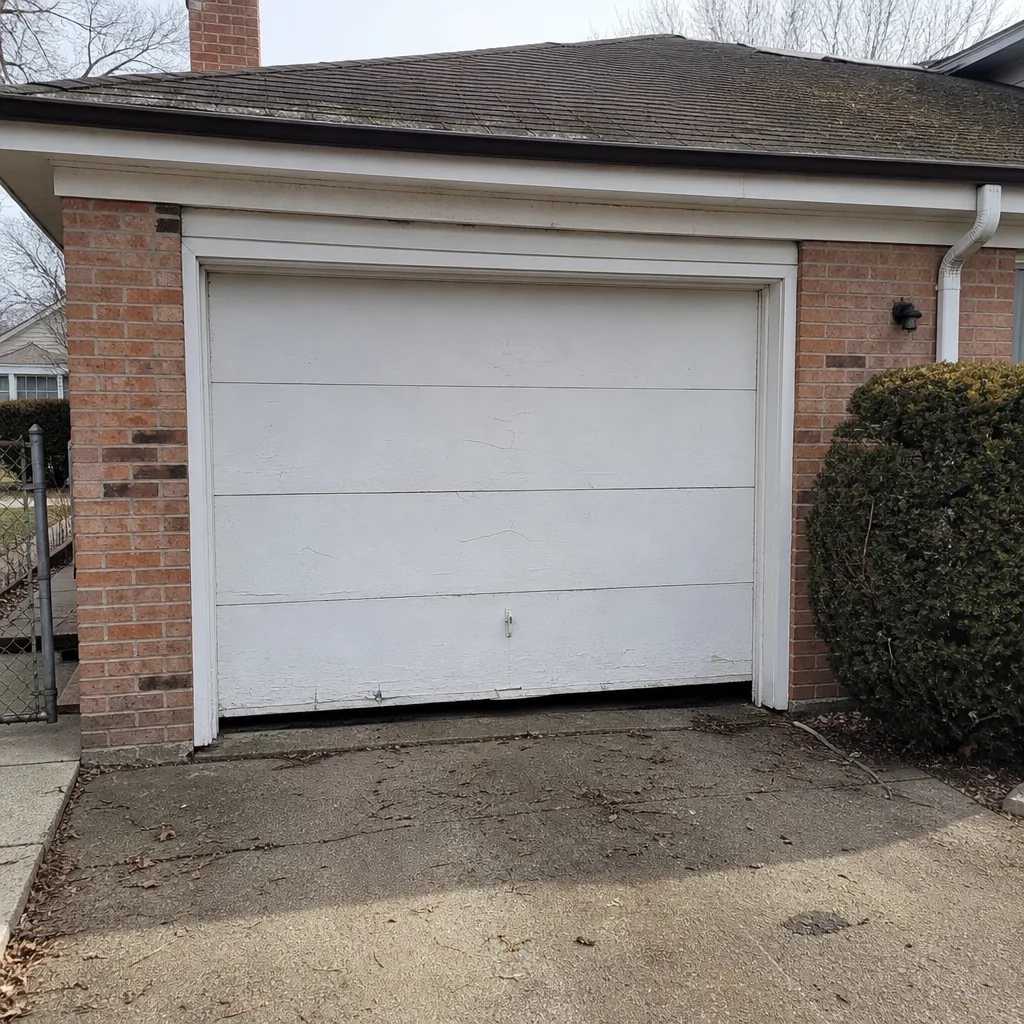 Before
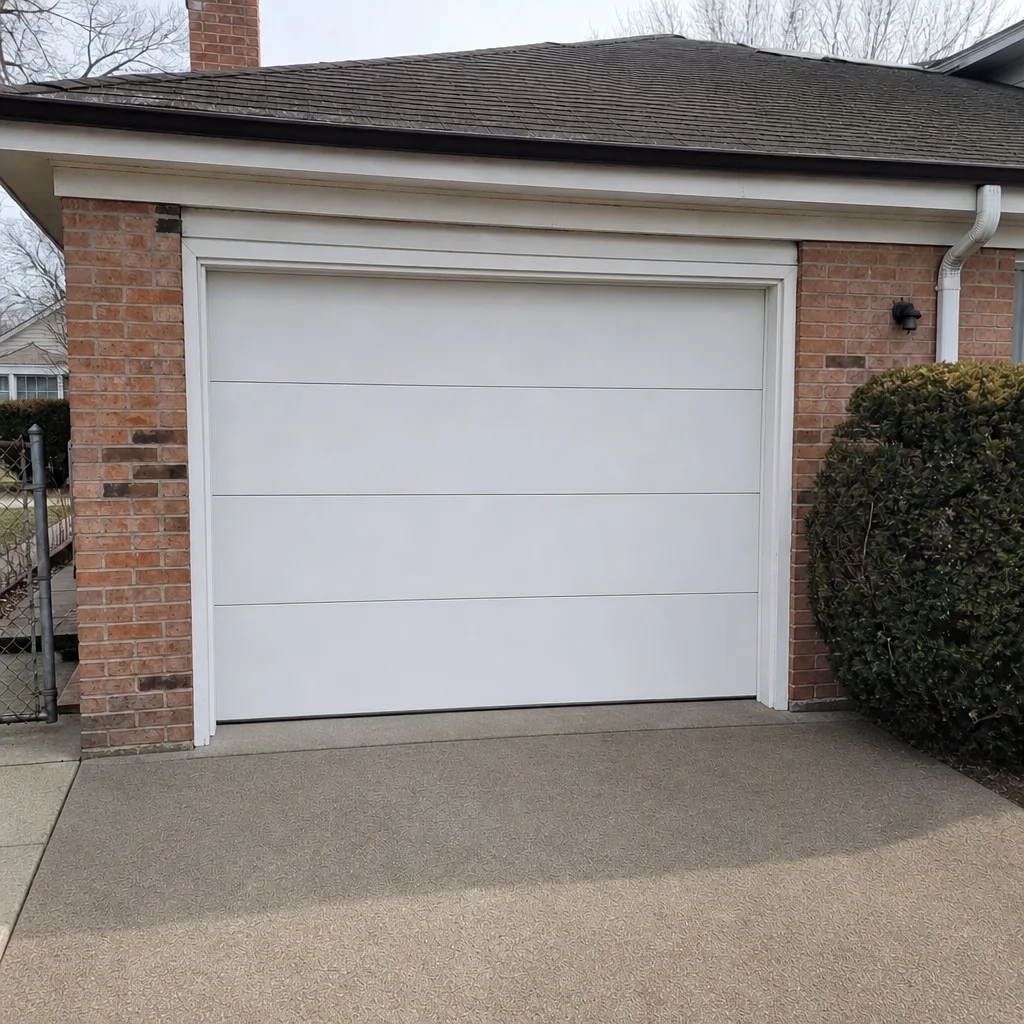 After
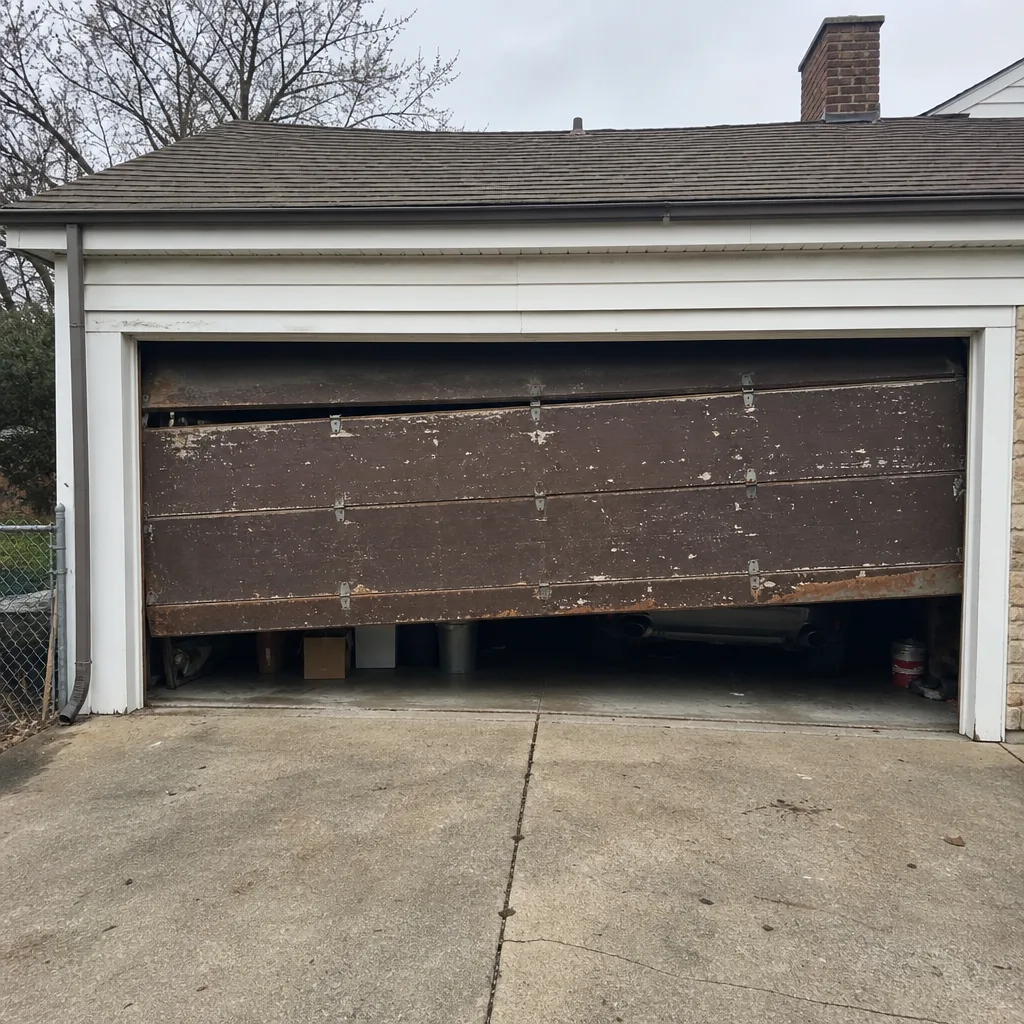 Before
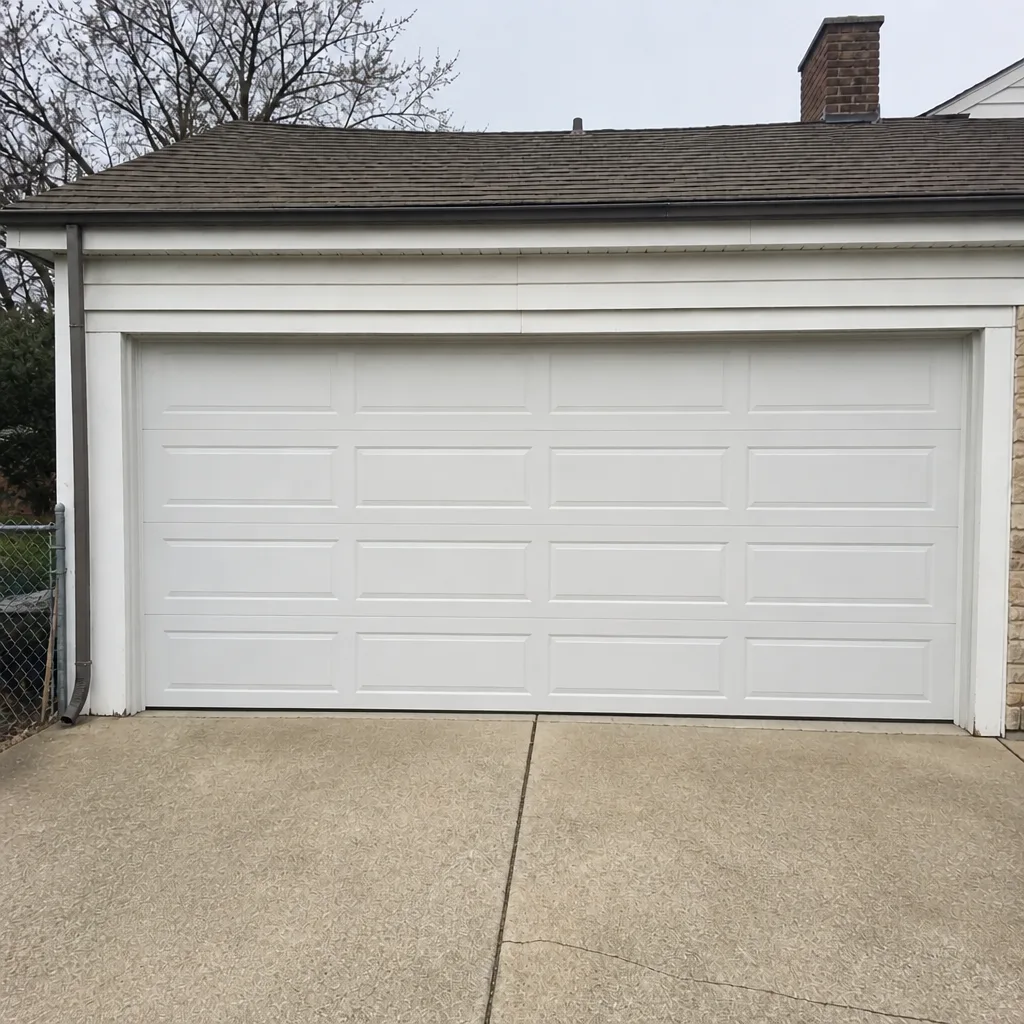 After
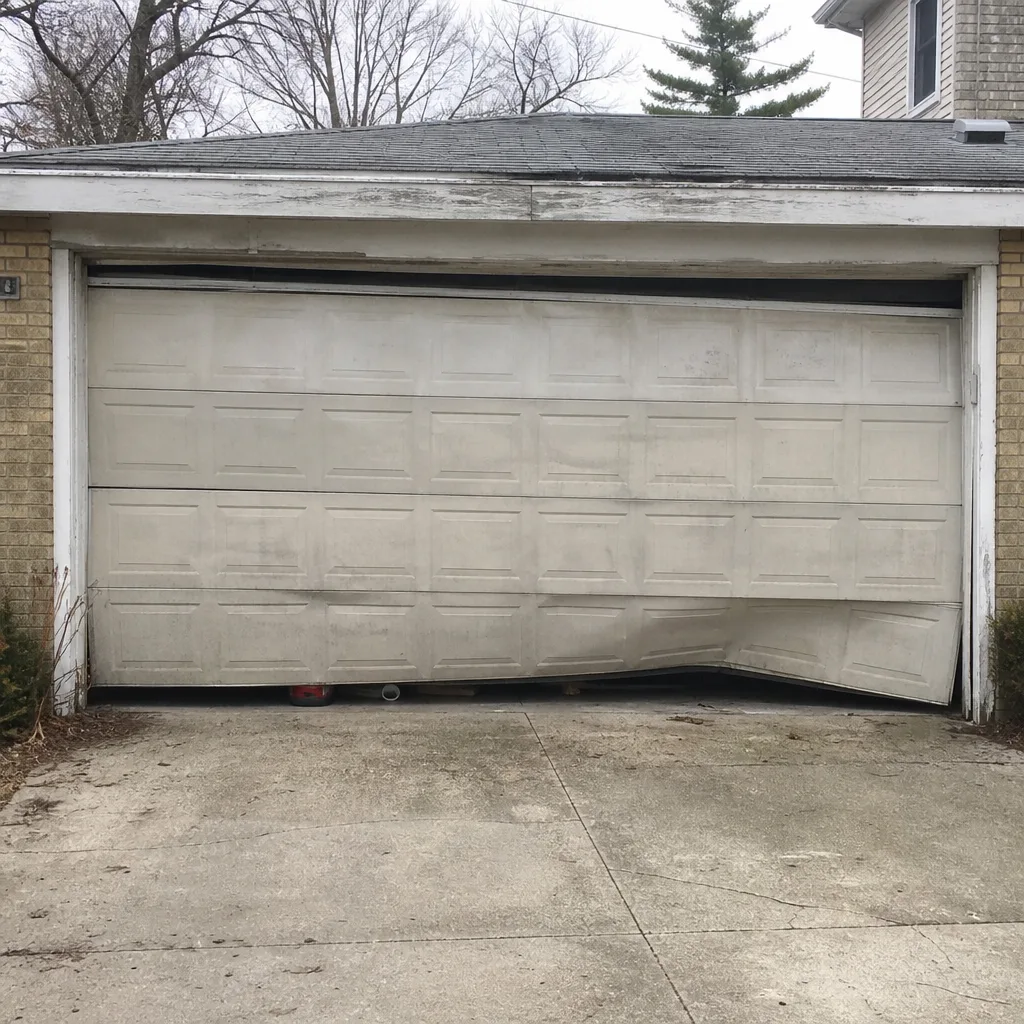 Before
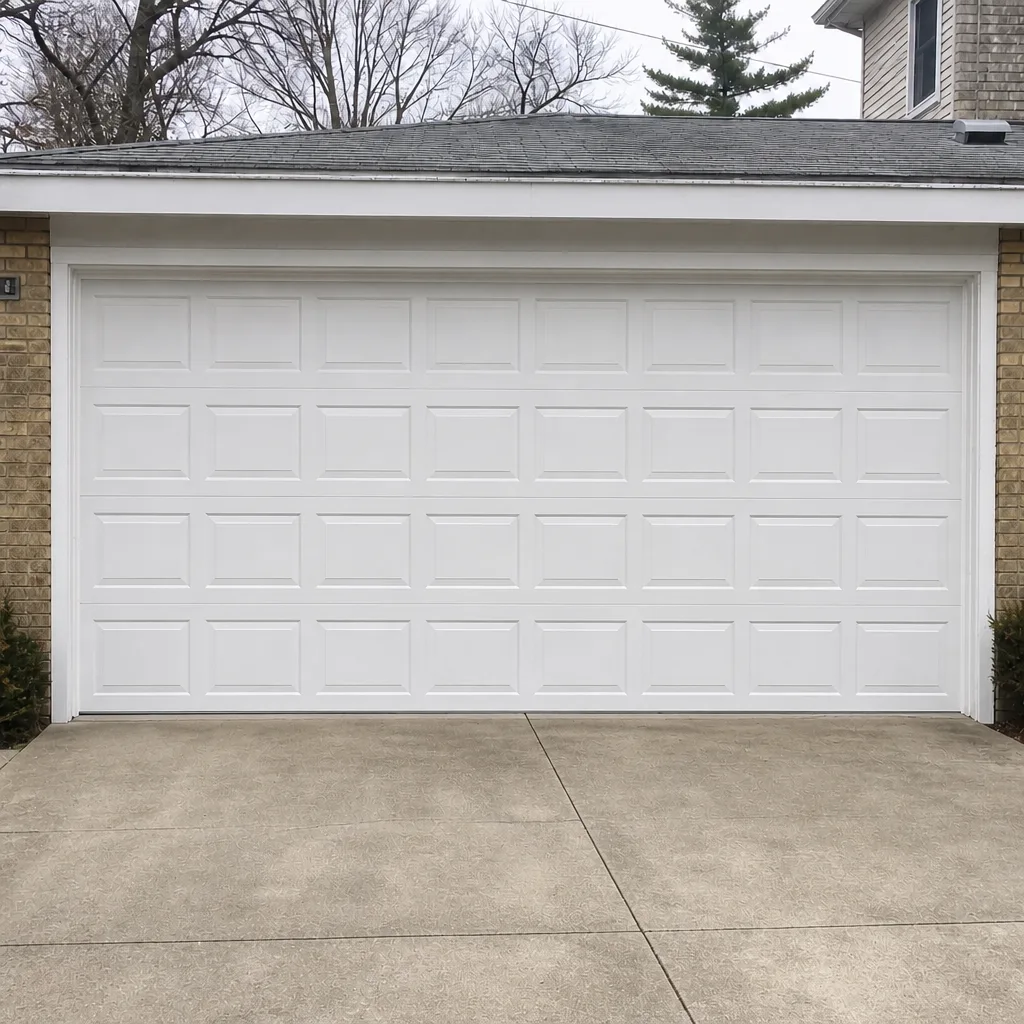 After