
Last updated November 23, 2026
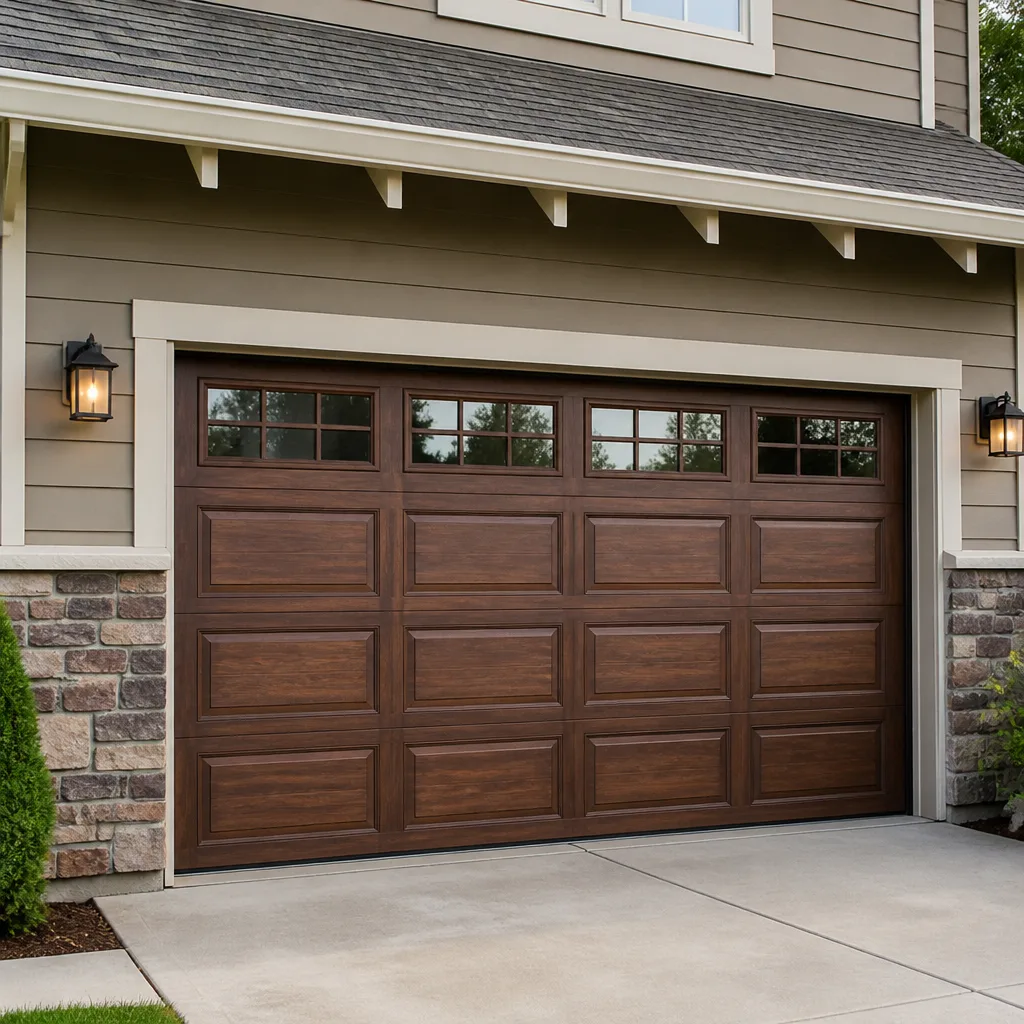
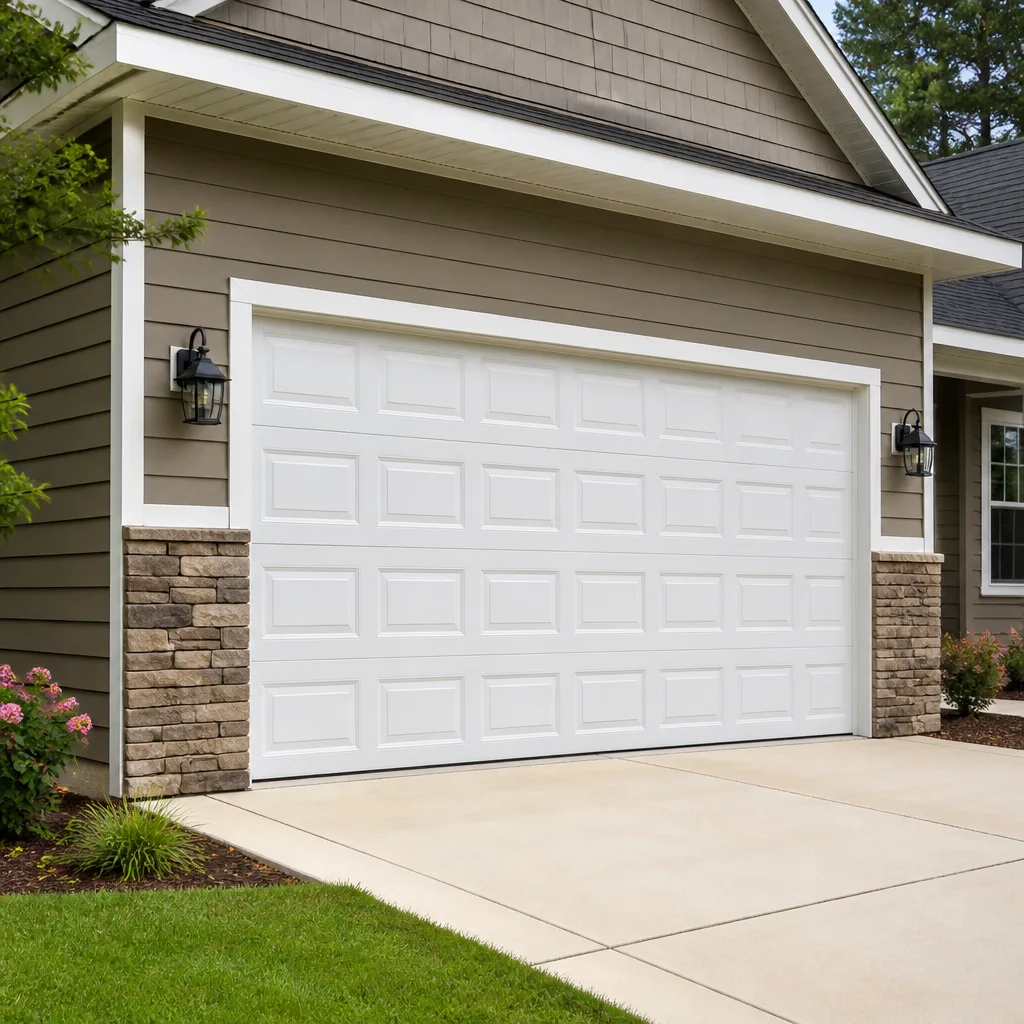 Raised-panel steel
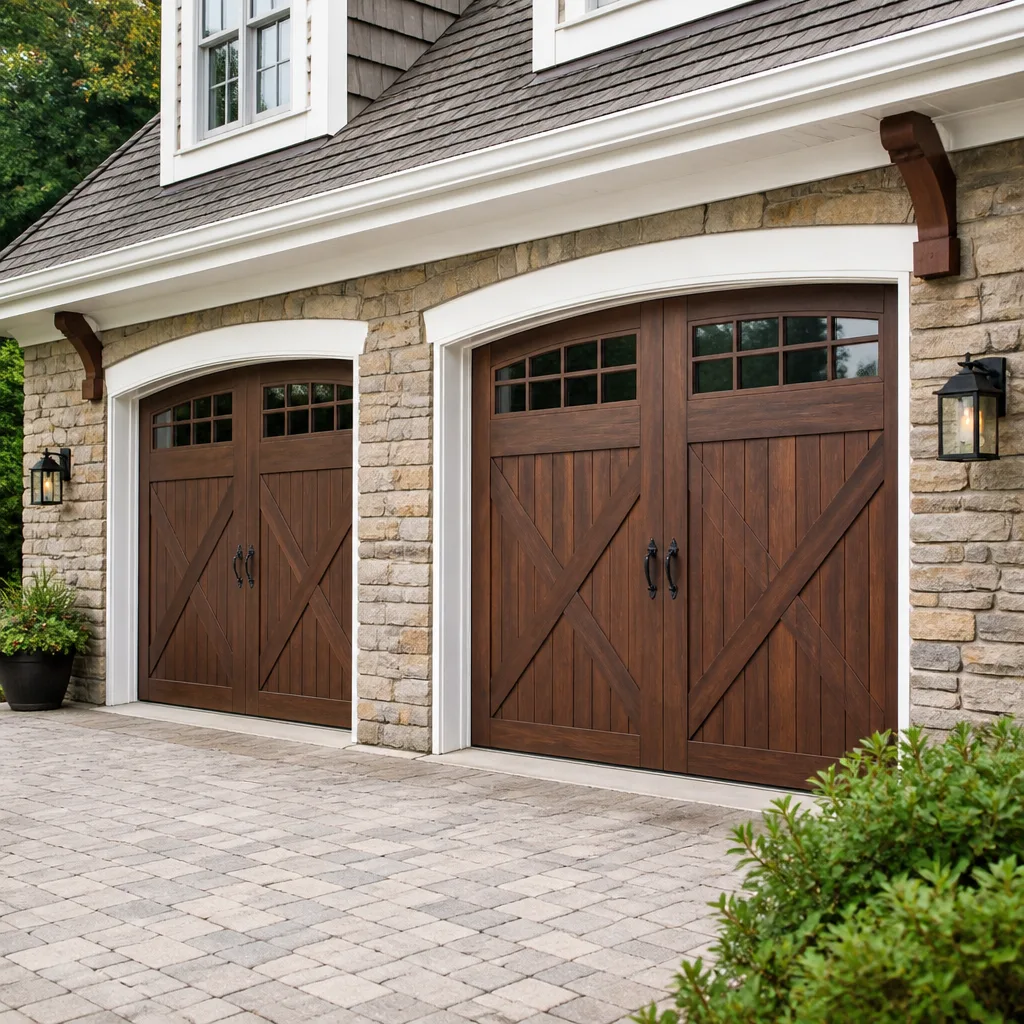 Carriage house
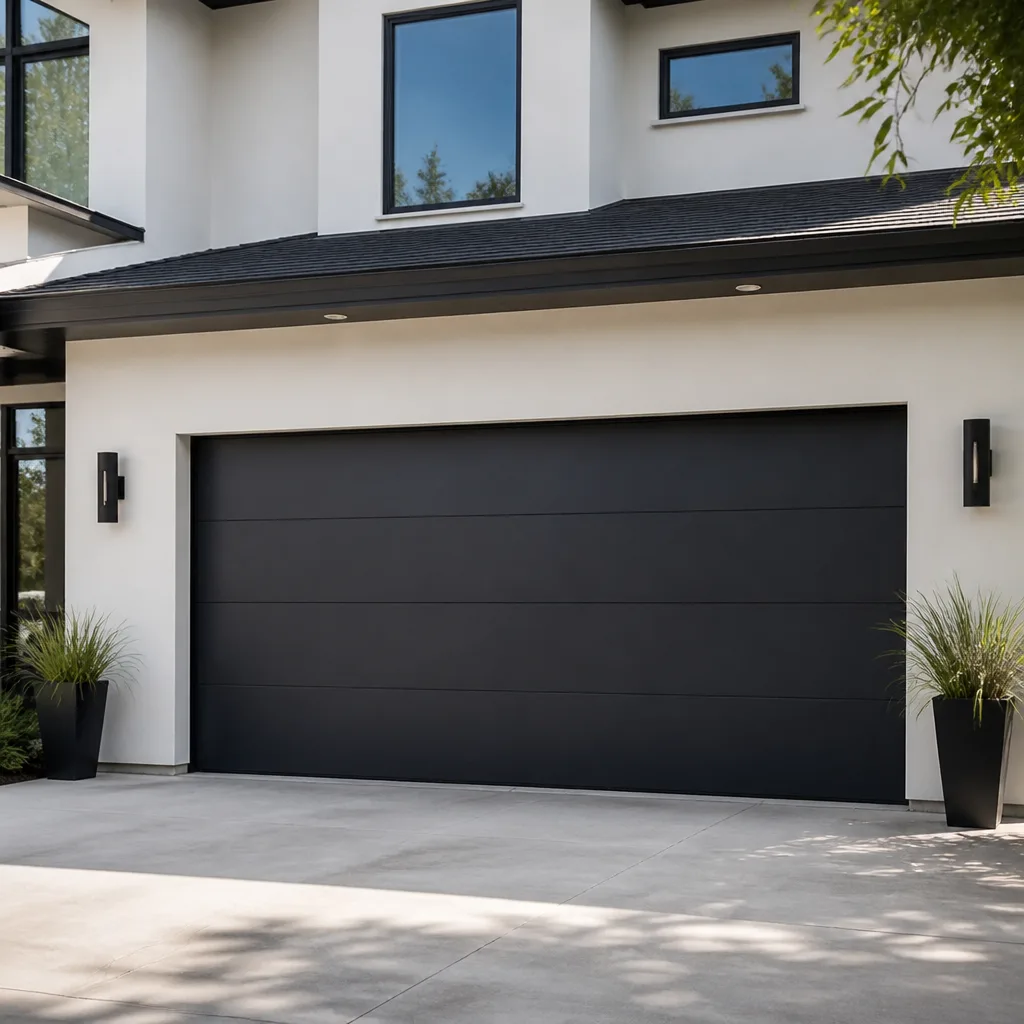 Modern flush
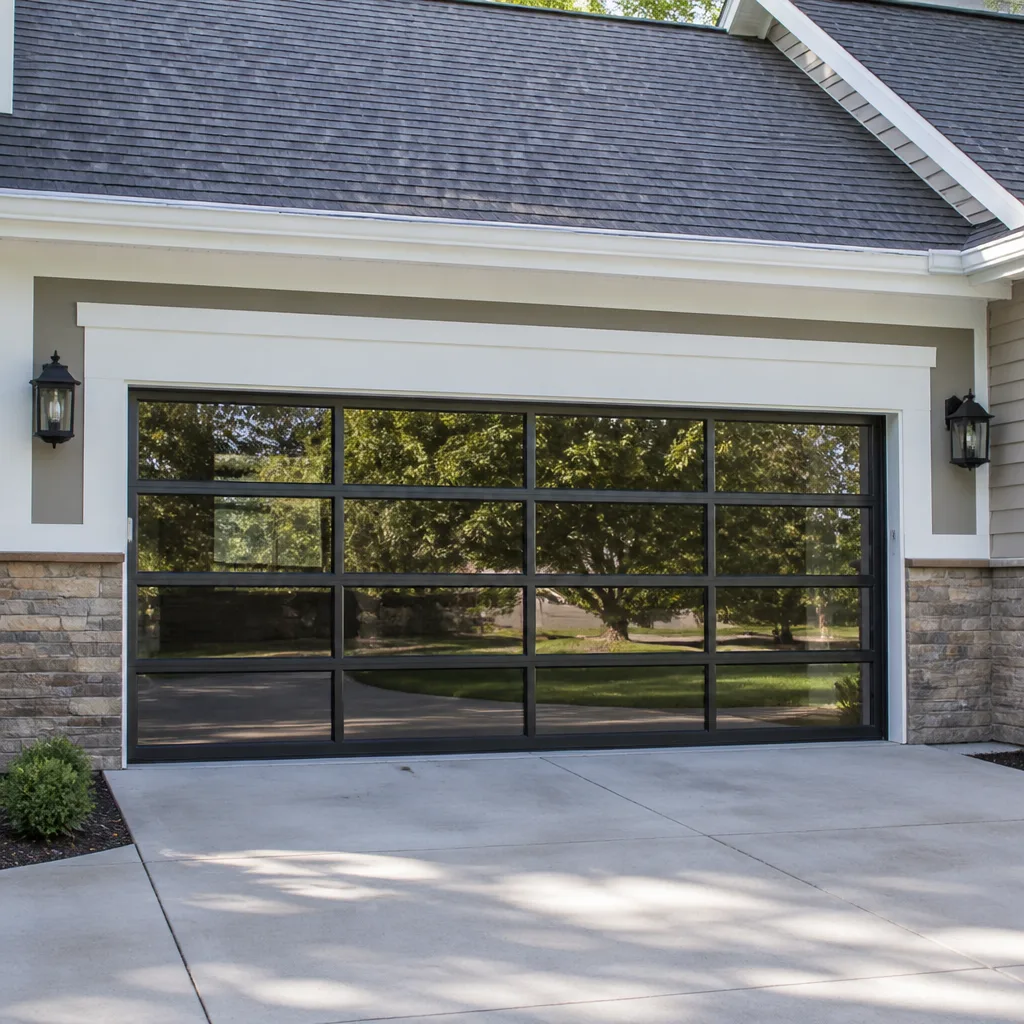 Full-view glass
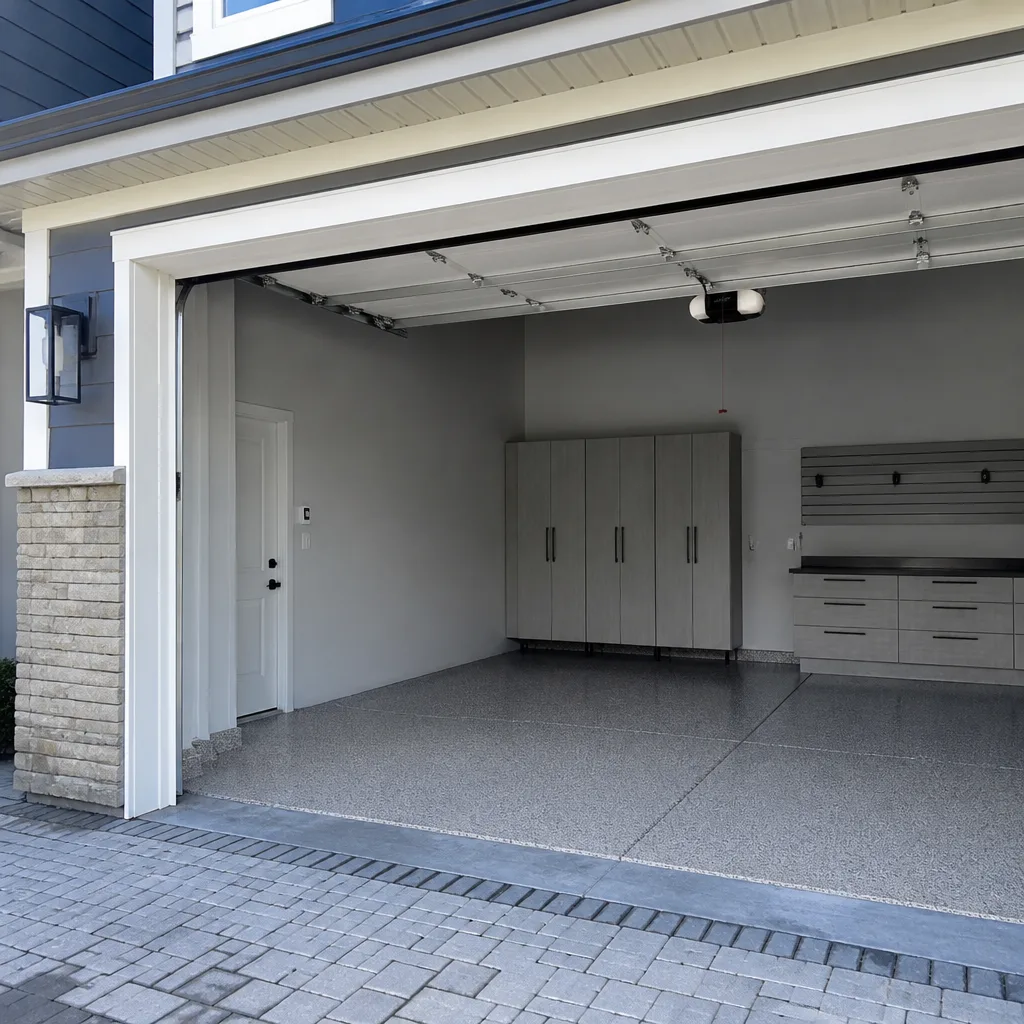 LiftMaster openers
 Chamberlain openers
Full 25-point door and opener safety check with every visit - springs, cables, rollers, tracks, and your LiftMaster or Chamberlain opener included
You get a price before we start. It does not change when the pro arrives.
Get your free estimateGarage Door Warning Signs: A Skokie Homeowner’s Reference Guide
A garage door that “just seems slow” and a garage door about to drop its torsion spring can look nearly identical to an untrained eye. That’s the problem with most warning-signs guides: they hand you a list of symptoms without telling you which one means “watch it” and which one means “stop using the door right now.” One of those two situations is a routine adjustment. The other is a safety emergency with a hundred-plus pounds of stored tension waiting to release.
This guide maps each symptom to its likely mechanical source and gives you a three-tier urgency call – monitor it, schedule it, or stop using the door immediately. You’ll learn what grinding, popping, squealing and banging actually mean, which visual signs are dangerous versus merely cosmetic, and how to safely test door balance yourself to read your spring condition. If you’re in Skokie and something already sounds wrong, keep reading before you touch that button again.
Quick Answer
The most serious garage door warning signs are a door that slams down instead of lowering smoothly, a loud bang from above the door followed by a door that won’t lift, visible gaps or bends in the springs, and frayed or kinked cables – all of which mean stop using the door and call a specialist. Signs you can monitor include mild squeaking, slight vibration, and a door that reverses before fully closing. Anything involving springs or cables is a trained-technician job; the tension stored in those parts can cause severe injury.
Styles & brands we work with
- Raised-panel steel
- Carriage house
- Modern flush
- Full-view glass
- LiftMaster openers
- Chamberlain openers
Table of Contents
- The Symptom-to-Cause Map: What Each Warning Sign Actually Means
- Three Urgency Tiers: Monitor, Schedule, or Stop Using the Door
- Sound-Based Diagnosis: Grinding, Popping, Squealing, and Banging
- Visual Signs: What’s Dangerous and What’s Cosmetic
- How to Safely Test Door Balance Yourself
- Opener Warning Signs: When the Motor Is the Problem
- Skokie Seasonal Patterns: What the Weather Does to Your Door
- Preventive Checks That Catch Problems Early
The Symptom-to-Cause Map: What Each Warning Sign Actually Means
Here’s the core idea of this guide: a warning sign is only useful if it points to a cause. “My door is noisy” tells you nothing. “My door grinds at the start of every cycle” points to a specific set of suspects you can act on. Below is the mapping we use when a homeowner describes a problem over the phone. Our technicians have up to 15 years of experience reading these symptoms, and the pattern is remarkably consistent across brands – whether it’s a Clopay steel door, an Amarr carriage-house model, or a Wayne Dalton with an older torsion setup.
Each warning sign usually traces to two or three likely mechanical sources:
- Door slams down or drops fast when closing: broken or weakening torsion spring, snapped extension spring, or a cable that has come off its drum. This is the highest-risk category because the counterbalance system has failed.
- Door won’t lift, or lifts a few inches and stops: broken spring is the most common cause, followed by a stripped opener gear or a disengaged manual release.
- Grinding or rumbling during travel: worn rollers, dry or failing bearings, or a misaligned track rubbing against the door edge.
- Loud pop or bang from above the door: a torsion spring snapping. The door will usually feel extremely heavy immediately after.
- Squealing or high-pitched whine: dry hinges, unlubricated rollers, or opener motor bearings wearing out.
- Door reverses before closing: misaligned safety sensors, a binding track, or an opener logic fault.
- Door drifts or won’t stay open halfway: spring tension is out of balance with the door weight.
- Visible gap in a spring or a stretched extension spring: the spring has failed and the door is running on the opener alone.
The value of the map is triage. Grinding and squealing usually mean maintenance or a worn part – annoying, not dangerous. A bang followed by a heavy door means the counterbalance has failed, and the door should not be cycled again until it’s repaired. This is the distinction most symptom lists skip, and it’s the one that matters most in a Skokie garage that gets used twice a day.
Three Urgency Tiers: Monitor, Schedule, or Stop Using the Door
Not every warning sign deserves the same response. Sorting symptoms into three tiers keeps you from panicking over a squeak and, more importantly, from ignoring a real hazard. Here’s how we break it down.
Tier 1 – Monitor
These signs mean something is wearing but the door is still operating safely. Watch them and address them at your next service:
- Mild squeaking or squealing during travel
- Slight vibration or wobble as the door moves
- A door that reverses occasionally but not consistently
- Cosmetic dents, faded paint, or a weather seal that’s compressed
Tier 2 – Schedule Service Soon
These mean a component is failing and will likely cause a breakdown if left alone. Book a repair before the door stops working entirely:
- Grinding that’s getting louder
- Door that reverses on most closings
- Slow, labored lifting
- Opener that strains, hums without moving, or runs the motor but doesn’t lift the door
- Rollers that are visibly worn flat or chipped
Tier 3 – Stop Using the Door Immediately
These are safety-critical. Do not cycle the door. Call a specialist:
- A loud bang from above the door followed by a door that won’t lift
- A door that drops or slams when closing
- Visible gap in a torsion spring or a stretched extension spring
- Frayed, kinked, or snapped cables
- Door hanging unevenly or off its track
- Any sign of the door coming down on its own
In our experience, the single biggest mistake homeowners make is treating a Tier 3 symptom as a Tier 2 – cycling a door with a broken spring “just to get the car out.” Running a door on the opener alone with a failed spring puts enormous strain on the opener and the cables, and it’s a genuine injury risk. If you’re unsure which tier you’re in, that’s the moment to call. For emergency situations, we answer 24/7 and dispatch from 7am to 7pm.
Sound-Based Diagnosis: Grinding, Popping, Squealing, and Banging
Sound is the earliest signal a garage door gives you, and it’s also the most misunderstood. A door that sounds “a little rough” for months is a door with a worn part slowly getting worse. Here’s what each sound usually points to in context.
Grinding
Grinding is a low, rough, continuous noise during travel. It usually means metal-on-metal contact. The most common sources are worn steel rollers that have lost their nylon covering, dry or seized bearings, or a track that’s out of alignment and rubbing the door’s edge. Grinding that gets worse over weeks is a Tier 2 sign. If you can see the door wobbling side to side as it grinds, the track itself may be bent and the door could come off its rollers.
Popping
A sharp pop or snap, especially one that comes from above the door and is followed by a heavy-feeling door, is almost always a torsion spring breaking. Popping can also come from a cable jumping its drum or a hinge that’s sprung. If the door still lifts easily after the pop, it’s more likely a hinge or roller issue. If the door suddenly feels like it weighs twice as much, treat it as a broken spring and stop using the door.
Squealing
High-pitched squealing is the friendliest warning sign on this list. It usually means a dry hinge, an unlubricated roller, or an opener motor bearing nearing the end of its life. Squealing is a Tier 1 monitor sign – a proper lubrication and tune-up handles most of it. The exception is a squeal that comes from the opener housing itself; that’s a motor problem and belongs in the schedule-soon tier.
Banging or Rattling
A single loud bang is the spring-snap signature. Repeated banging or rattling during travel points to loose hinges, a track that’s pulled loose from its mounting, or worn rollers that are bouncing in the track. Rattling that’s centered around the opener rail often means a loose chain or belt, which is a straightforward adjustment but should be made before the chain jumps.
One practical tip: stand in the garage and listen to a full open-and-close cycle once a month. You’ll learn your door’s normal sound, and anything new will stand out. That baseline is worth more than any symptom chart.
Visual Signs: What’s Dangerous and What’s Cosmetic
A visual inspection catches a lot – but only if you know which signs are hazards and which are just wear. This is where most guides blur the line. Here’s the split.
Visual Signs That Are Genuinely Dangerous
- A visible gap in a torsion spring. A coil spring with a gap has snapped and the door is running on the opener. Stop using the door.
- A stretched or elongated extension spring. Extension springs that have stretched past their original shape are near failure and should be replaced as a pair.
- Frayed, kinked, or snapped cables. Cables carry the spring tension. Never touch one – call a specialist.
- A door that hangs unevenly or a track that’s visibly bent. The door can come off its rollers and fall.
- Missing or loose track mounting bolts. The whole assembly can shift under load.
- The door doesn’t sit flush with the floor when closed. This can be a balancing issue or a track problem – and it also lets in cold air and pests.
Visual Signs That Are Usually Cosmetic
- Dents and dings in a steel door (structurally fine unless the track behind it is bent)
- Faded paint, peeling finish, or rust on the bottom panel
- A worn rubber weather seal at the bottom – replaceable and not a safety issue
- Scratches on the interior face
- A slightly noisy opener light cover
The confusion point is usually the spring. People see a rusty, slightly curved torsion spring and assume it’s failing. Rust alone doesn’t mean failure. A spring with a clean gap in the middle is a different story – that’s a snapped spring, and it’s dangerous. If you can’t tell the difference, don’t touch the spring. Cables and springs are under enormous tension and can cause severe injury even when the door isn’t moving. That’s a job for a trained technician, not a weekend project.
When you do need a pro, our garage door spring repair service is built around exactly this kind of diagnosis – identifying whether a spring is fatigued or failed and replacing it safely.
How to Safely Test Door Balance Yourself
Your door’s balance tells you more about spring condition than any visual check. A balanced door should stay put at any point in its travel. A door that’s out of balance is loading the opener and the springs unevenly – and a door that won’t stay up is showing you a failing spring. Here’s how to test it safely.
- Close the door fully and disconnect the opener using the manual release pull (usually a red handle hanging from the rail). This takes the opener out of the equation.
- Lift the door by hand to about waist height. Use the lift handle if your door has one. Lift slowly and steadily – the door should feel manageable, not heavy.
- Let go and watch. A properly balanced door will stay at waist height or drift very slightly. It should not fall, drop, or rise on its own.
- Repeat at a few points along the travel – a foot off the floor, halfway, and about a foot from fully open. The door should hold at each point.
- Reconnect the opener by cycling the door up and letting the carriage re-engage the release.
What the results mean:
- Door holds at every point: springs are balanced and healthy.
- Door falls or drops from any point: springs have lost tension or one is broken. Stop using the door and schedule a repair.
- Door rises on its own: spring tension is too high – also a repair, because it’s overloading the opener.
- Door feels extremely heavy from the start: spring failure. Do not continue the test; the door is a safety risk.
One important limit: if the door won’t stay up or feels very heavy when you lift, stop immediately and don’t try to force it or inspect the spring yourself. The balance test is a diagnostic, not a repair. If the test fails, call a specialist – this is exactly the scenario where a seemingly small issue can turn into a dangerous one. The good news is that a balance problem is often a straightforward spring replacement once a technician confirms it.
Opener Warning Signs: When the Motor Is the Problem
Plenty of “bad openers” turn out to be a door problem the opener is struggling to overcome. But openers do fail, and they fail in specific, recognizable ways. Learning to tell an opener fault from a door fault saves you from replacing the wrong thing.
Signs the Opener Itself Is Failing
- The motor runs but the door doesn’t move. In a chain or belt drive, this usually means the carriage is disengaged, the chain is broken, or the drive gear is stripped.
- The opener hums and stops. A hum with no movement often points to a failing capacitor or a stripped gear.
- The door reverses immediately after touching the floor. Usually the travel limits or force settings need adjustment, or the safety sensors are misaligned.
- The wall button works but the remote doesn’t (or vice versa). Usually a receiver or remote-programming issue, not a mechanical failure.
- The opener light flickers or won’t turn off. Often a logic-board issue.
Signs It’s the Door, Not the Opener
- The door is heavy when lifted by hand (spring balance issue).
- The door binds or grinds at a specific point (track or roller issue).
- The door is visibly off its track.
- The door reverses because the safety sensors are blocked or dirty.
This distinction matters most with older units. A Genie or LiftMaster opener from a decade ago is often perfectly serviceable – it’s the door balance or a worn roller that’s causing the strain. In our experience, too many openers get replaced when a spring or balance adjustment would have solved the problem for far less. For brand-specific diagnostics on LiftMaster, Chamberlain, Genie, Craftsman and the rest, our garage door opener repair team works on the actual unit in your garage.
Skokie Seasonal Patterns: What the Weather Does to Your Door
Skokie’s climate puts garage doors through real swings. Cold winters and hot, humid summers work on the same parts in different ways, and some warning signs show up on a schedule. Knowing the seasonal pattern helps you tell a normal seasonal symptom from a genuine failure.
Cold-Weather Signs
- Stiff or slow operation in freezing temperatures. Lubricant thickens and rollers drag. This is often a Tier 1 issue that a proper tune-up resolves.
- Frozen weather seal. The bottom rubber can bond to the concrete and tear when the door lifts – not dangerous, but it lets cold air in.
- Spring fatigue showing up in winter. Springs that have been weakening for months often fail during the coldest stretch, when the metal contracts and the door is used most.
- Loud bangs on cold mornings. A spring snapping is more common in cold weather. Treat any bang from above the door as Tier 3.
Warm-Weather Signs
- Expansion and track alignment drift. Metal tracks and door panels expand in summer heat, and a track that was borderline can start rubbing.
- Humidity-driven rust on bottom panels and springs. Cosmetic on the panels, but a spring that’s heavily rusted should be inspected.
- Opener overheating. A motor that’s already struggling works harder in a hot garage.
The takeaway for a Skokie homeowner is timing. If your door has been slowly getting louder or heavier, the seasonal extremes are when it will fail – and they’re also when it’s easiest to notice. A fall checkup before the cold sets in catches most of these problems while they’re still cheap to fix. If your door is struggling right now, our garage door repair service covers springs, cables, tracks, rollers and openers, and we’ll tell you honestly which tier your symptom falls into.
Preventive Checks That Catch Problems Early
Most of the warning signs in this guide show up gradually. A short monthly routine catches them while they’re still minor. Here’s what to do and in what order.
- Run a full cycle and listen. Open and close the door once, standing in the garage. Compare the sound to last month.
- Look at the springs and cables. From a safe distance, check for a visible gap in the torsion spring, a stretched extension spring, or frayed cables. Don’t touch them.
- Do the balance test. Release the opener and check that the door holds at waist height, halfway, and near the top.
- Check the safety sensors. Wipe the lenses and confirm the door reverses when an object passes the beam.
- Lubricate the moving parts you’re allowed to lubricate. Hinges, rollers, and the opener rail get a garage-door-specific lubricant. Springs and cables do not – leave those to a technician.
- Inspect the weather seal. Look for tears or a seal that no longer touches the floor.
- Check the hardware. Look for loose bolts on the track mounts and hinges. Tighten what’s clearly loose, but don’t force anything that’s misaligned.
What you shouldn’t do: adjust spring tension, touch a cable, or try to “help” a heavy door by propping it. Those are the jobs that send people to the emergency room. A proper annual service – cleaning, lubricating, balancing, and checking the opener – costs far less than an emergency repair and catches problems before they become one. Our technicians have up to 15 years of experience with the brands most Skokie homes have, from Clopay and Amarr steel doors to Wayne Dalton and Genie opener setups.
Common Mistakes to Avoid
- Trying to adjust a torsion spring yourself. This is the single most dangerous garage door job there is. The stored tension can release without warning – call a specialist and leave the spring alone.
- Cycling a door with a broken spring “just to get the car out.” Running a door on the opener alone strains the motor, cables, and track, and it’s a real injury risk. Stop using the door.
- Replacing the opener when the real problem is the door. A heavy door or a binding track makes a perfectly good opener struggle. Diagnose before you replace.
- Ignoring a sound that “goes away.” Grinding and squealing don’t fix themselves. They get quieter right before the part fails.
- Treating a frayed cable as cosmetic. Cables carry the spring load, and a frayed cable can snap and whip. That’s a stop-using-the-door sign, not a “watch it” sign.
- Skipping the balance test because the door “still opens.” A door can open for months on a failing spring before it finally drops. The balance test is how you catch it early.
- Assuming winter stiffness is normal. Cold-weather drag is common in Skokie, but a door that’s genuinely hard to lift is a spring problem, not a temperature problem.
See the difference
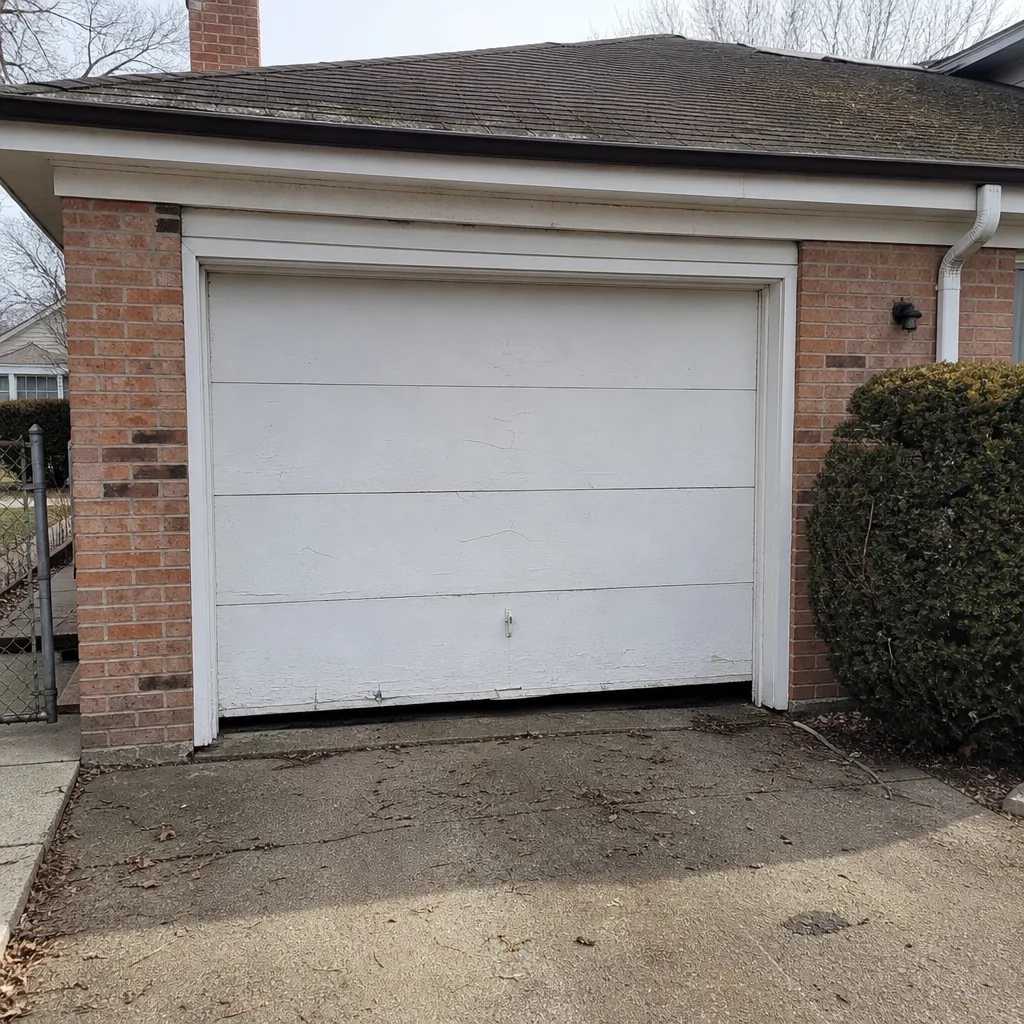 Before
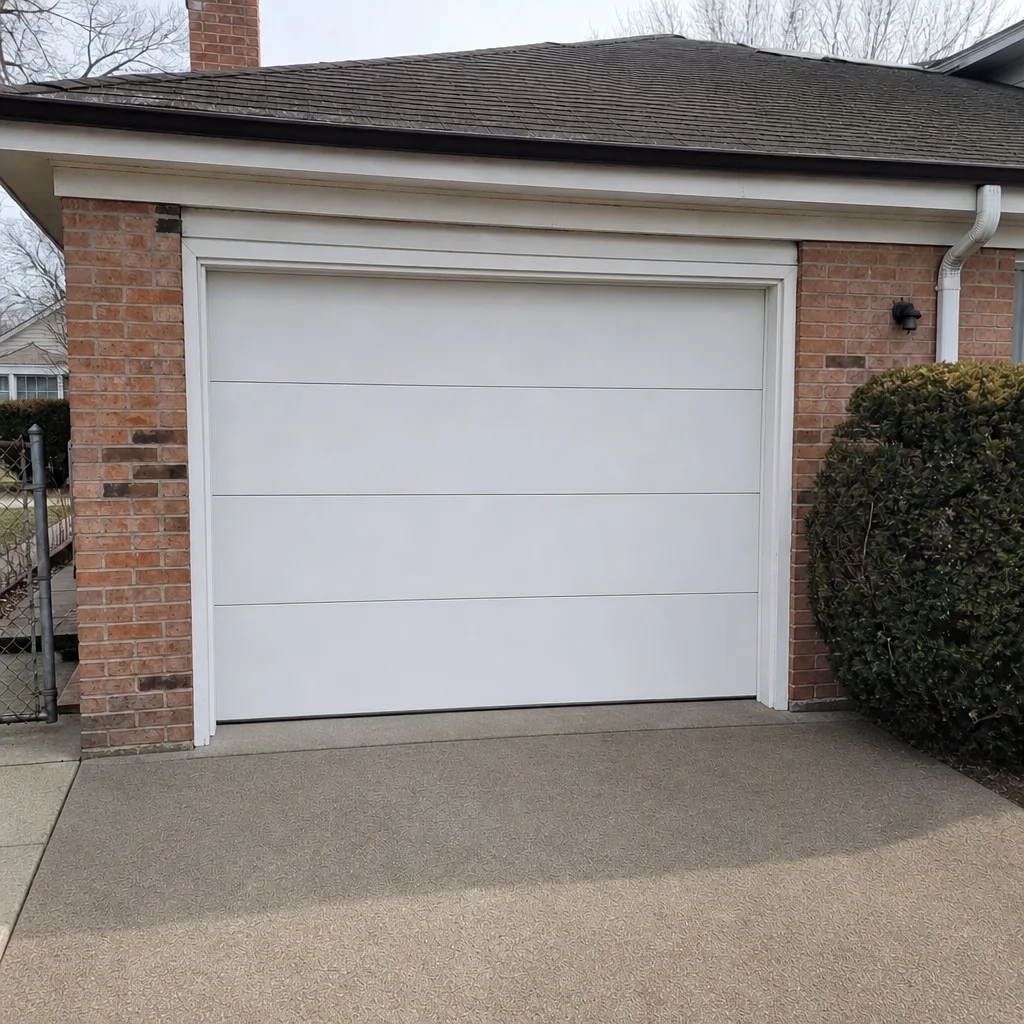 After
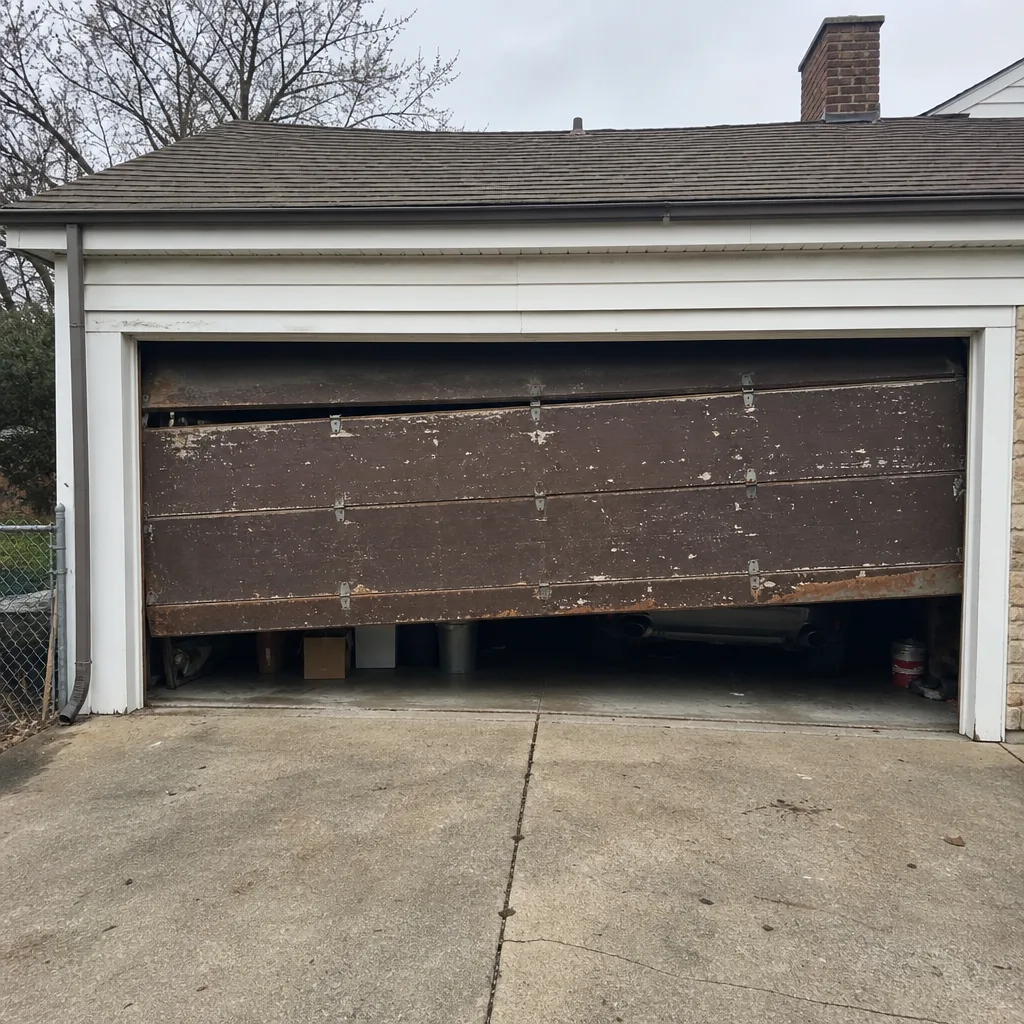 Before
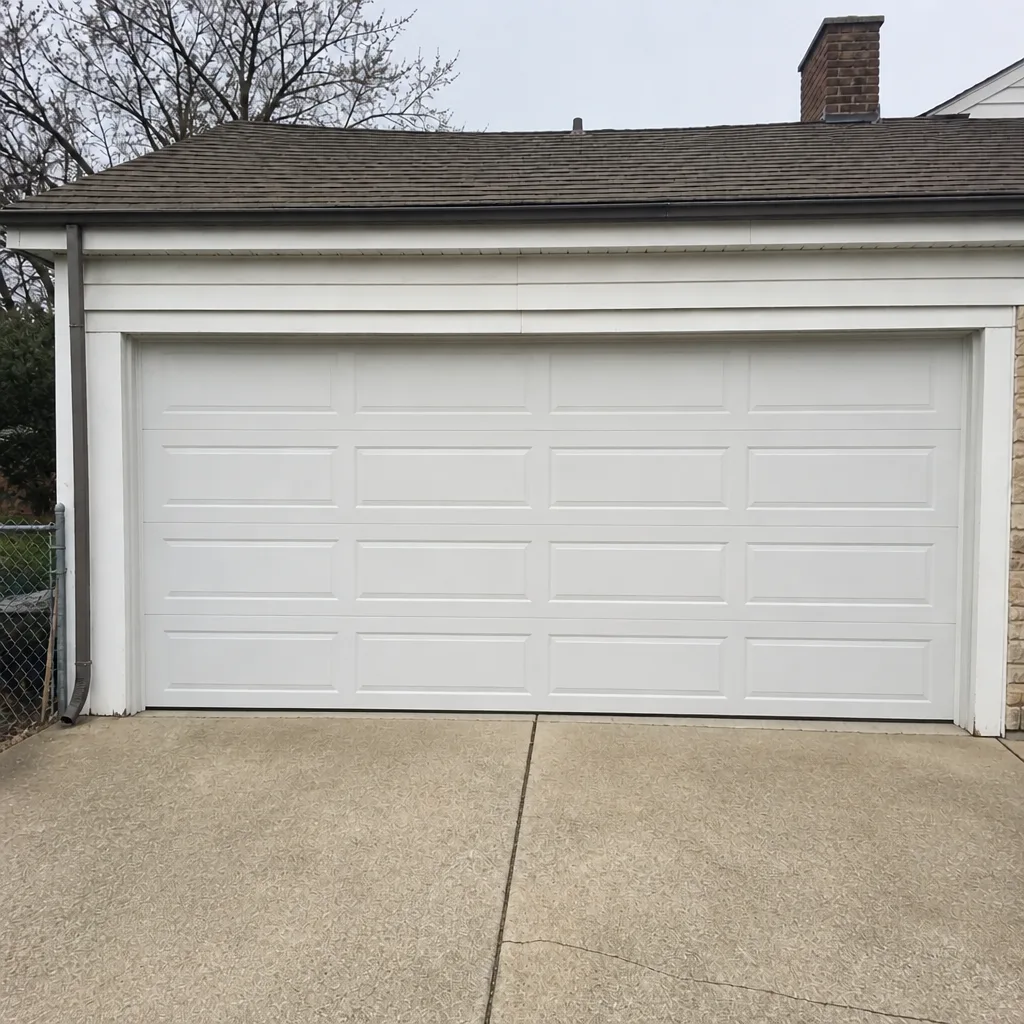 After
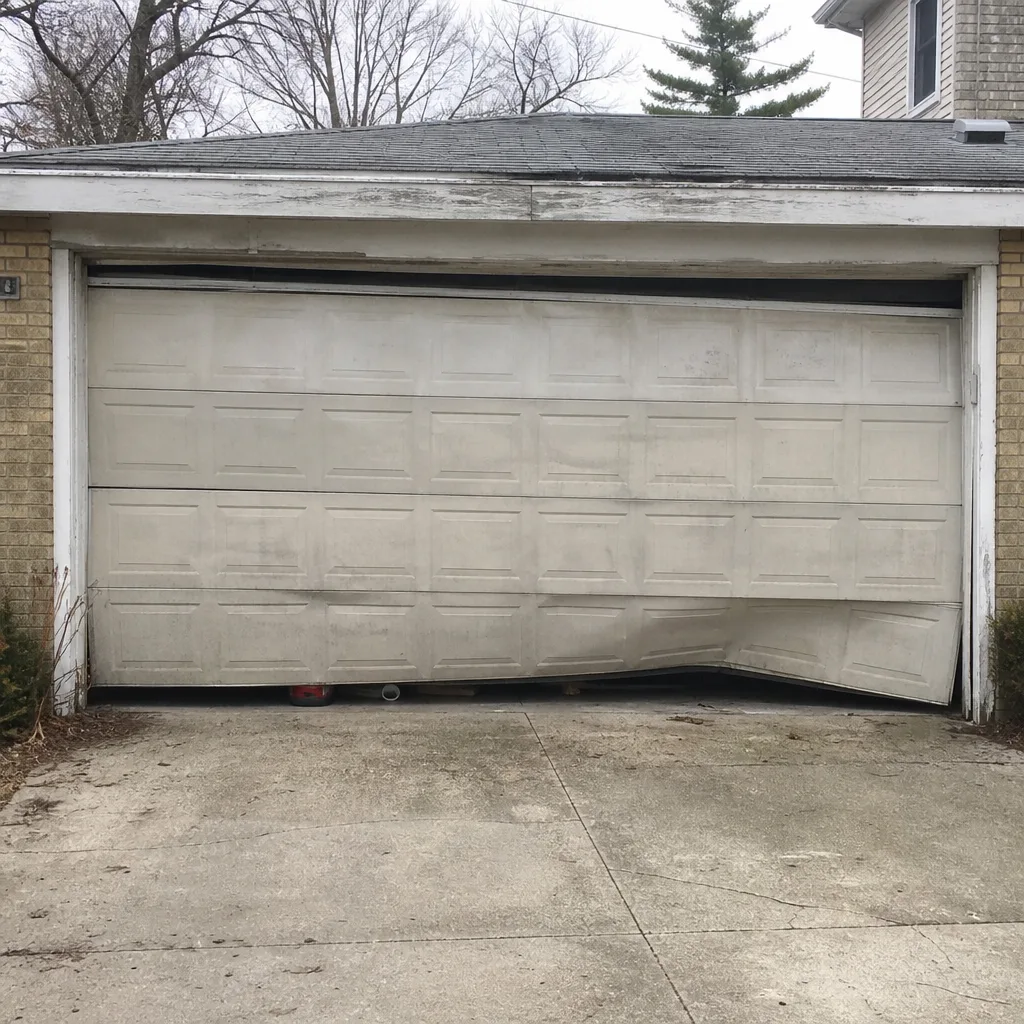 Before
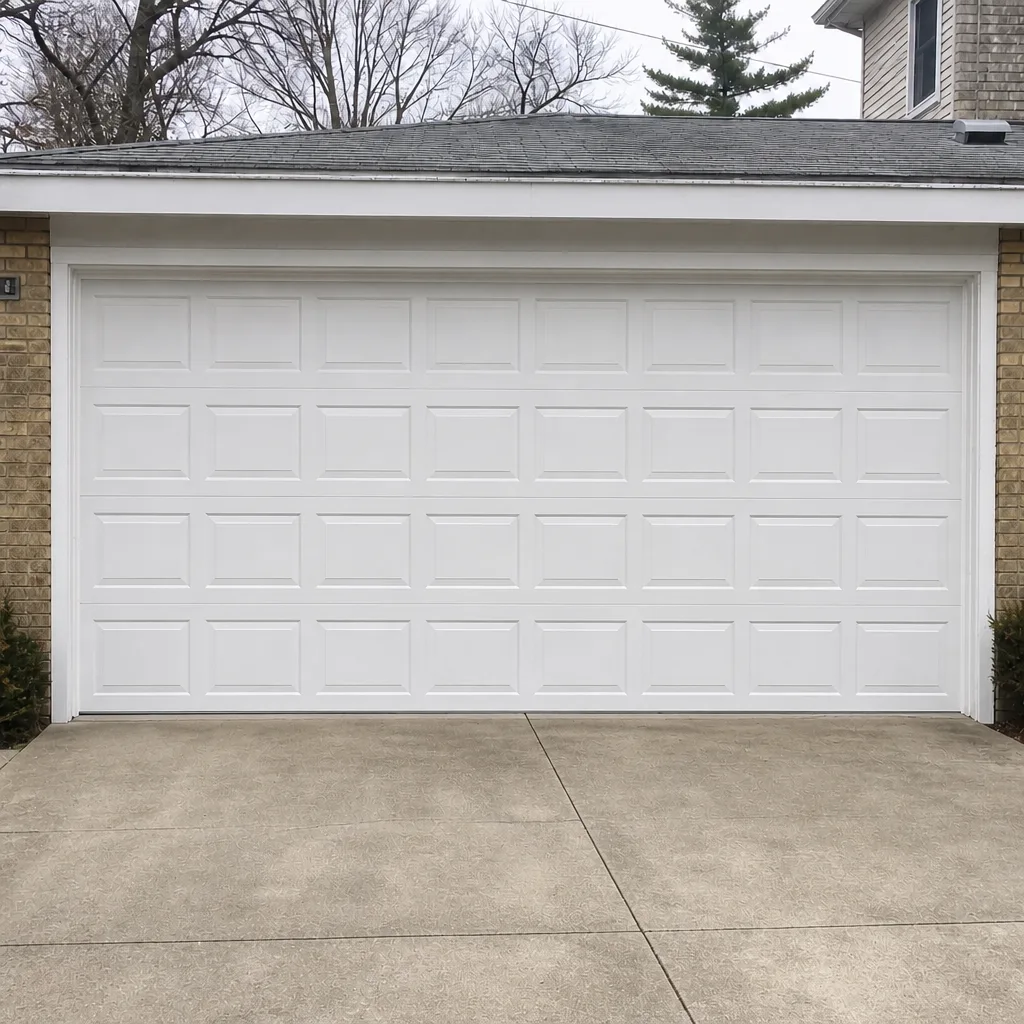 After
When to Call a Professional
Call a specialist if you see a broken spring, a frayed or snapped cable, a door that drops or slams, a door off its track, or any loud bang followed by a heavy door. Those are Tier 3 problems and shouldn’t wait. Call even if the door still opens – a failing spring will eventually fail completely, and the risk goes up the longer you use it. For sound-based concerns like grinding or persistent squealing, a scheduled service is the right move; it’s cheaper now than an emergency repair later.
Skokie Garage Door Repair Pros offers free estimates in Skokie – call (844) 789-1173. We answer 24/7, with fast dispatch from 7am to 7pm, Sunday through Friday. For a stuck door or a suspected spring failure, same-day service is available. Full Skokie Garage Door Repair Pros services include repair, opener repair, spring repair, and new installation.
Frequently Asked Questions
The most serious signs are a door that slams or drops when closing, a loud bang followed by a door that won’t lift, a visible gap in a torsion spring, and frayed or snapped cables. Any of these means stop using the door and call a specialist. A door that still opens but feels heavy or drops from waist height is also serious – the spring has likely failed. Call (844) 789-1173 for an exact quote – estimates are free.
A broken spring usually announces itself with a loud bang from above the door, after which the door feels extremely heavy or won’t lift. On a torsion spring, you can sometimes see a clean gap in the coiled spring; on an extension spring, the spring will look stretched or elongated. The balance test – releasing the opener and seeing if the door holds at waist height – confirms it. If the door drops or feels very heavy, don’t keep using it.
You can safely lubricate hinges, rollers, and the opener rail with a garage-door lubricant, and that resolves most squeaks. You should not adjust springs, cables, or track alignment yourself. If the noise is grinding rather than squeaking, a worn part is likely involved and a professional diagnosis is the safer route. Call (844) 789-1173 for an exact quote – estimates are free.
No. The price is quoted and agreed before any work starts, and the written estimate sets the final price. We diagnose first, then give you the number – so there’s no surprise invoice after the fact.
The local professionals we connect you with are licensed and insured as their state requires. Our technicians have up to 15 years of experience, and every job is a garage door job – not plumbing, HVAC, or general contracting. Call (844) 789-1173 for an exact quote – estimates are free.
Yes, for repair and emergency issues we offer same-day service. Call (844) 789-1173. We answer 24/7, and fast dispatch runs from 7am to 7pm, Sunday through Friday. A call outside those hours is booked into the next opening.
The Bottom Line
The warning signs that matter most are the ones that point to a failing counterbalance system – a broken or weakening spring, a frayed cable, a door that drops or slams. Those are stop-using-the-door signs, and they’re a safety emergency, not an inconvenience. Mild squeaking, slight vibration, and an occasional reverse are monitor-and-schedule signs; they aren’t urgent, but they don’t fix themselves either. The balance test is your best home diagnostic: if the door won’t hold at waist height, the springs need attention. When in doubt, call. Skokie Garage Door Repair Pros offers free estimates in Skokie – call (844) 789-1173. We answer 24/7, with fast dispatch from 7am to 7pm. Get any garage door repair scheduled before a small symptom becomes a real failure.
Written by the team at Skokie Garage Door Repair Pros.