
Last updated November 23, 2026
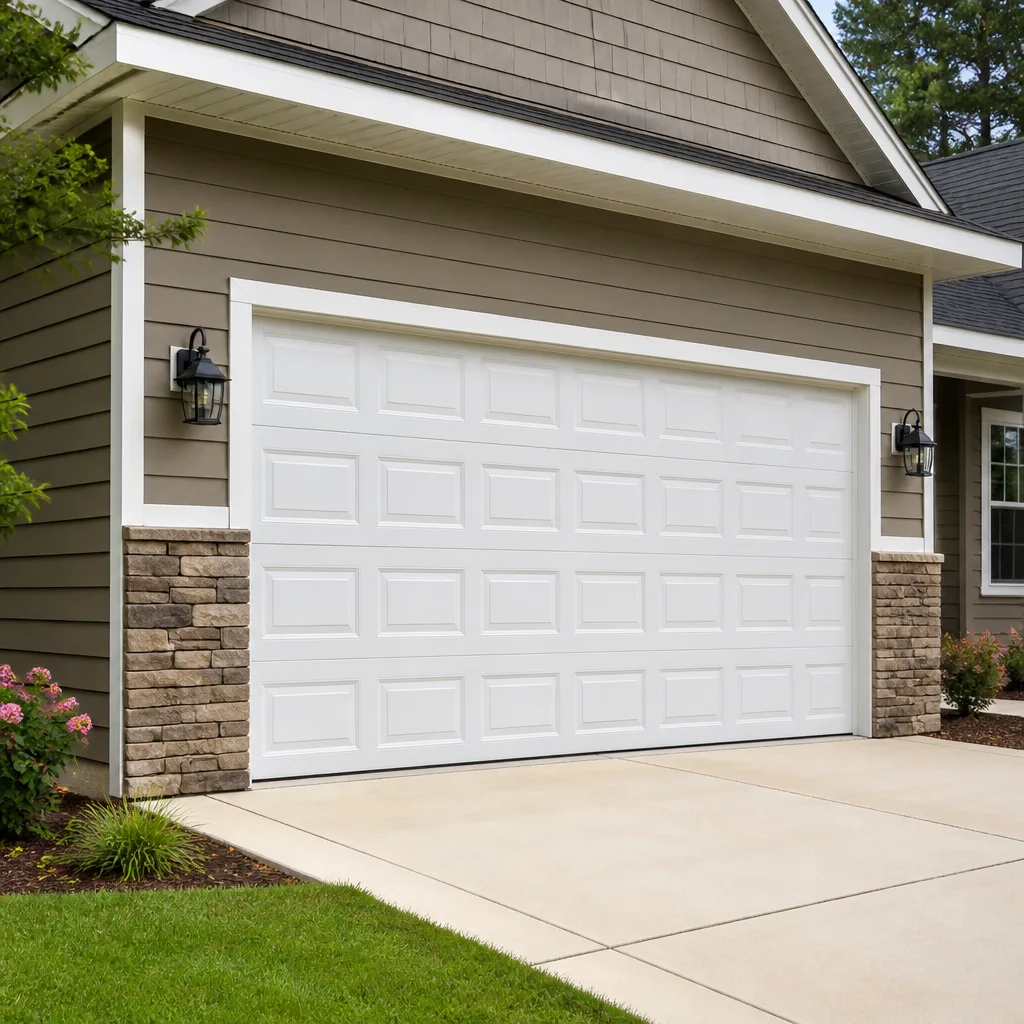 Raised-panel steel
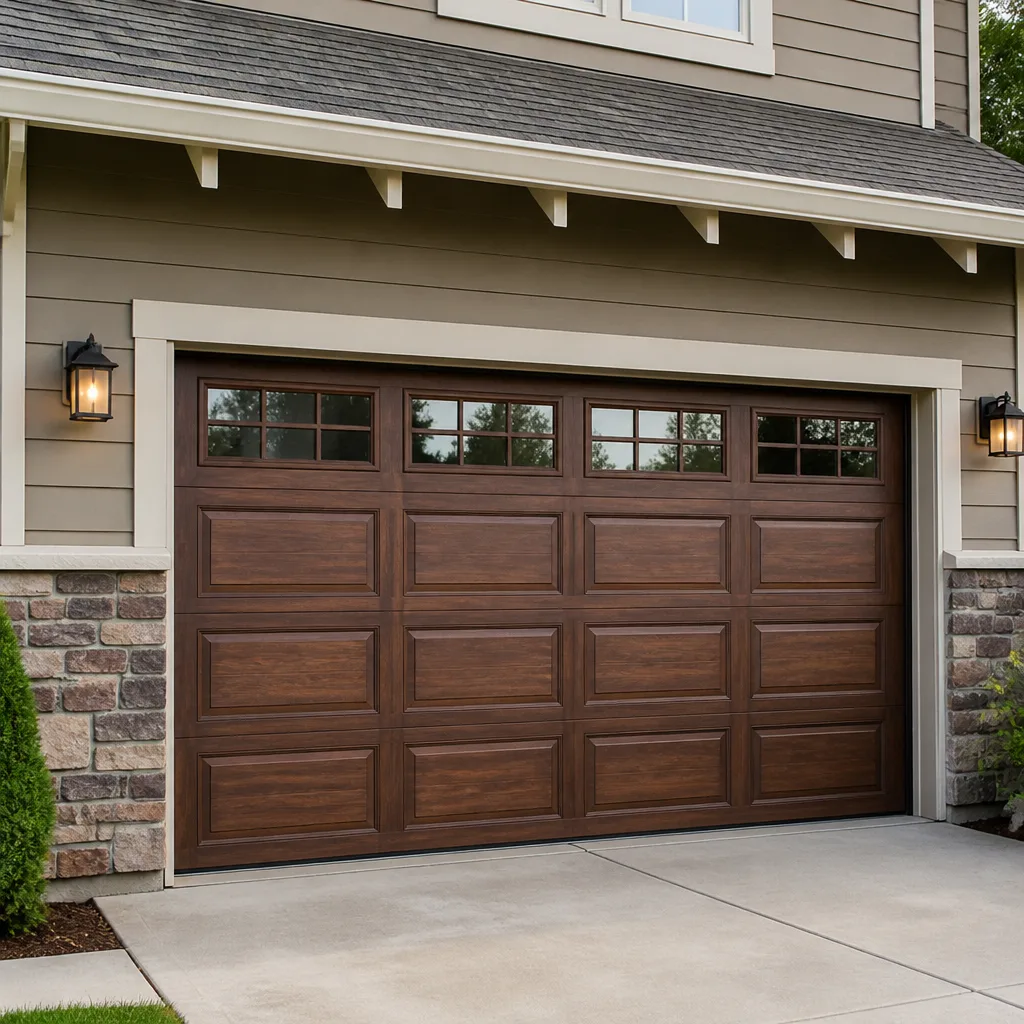
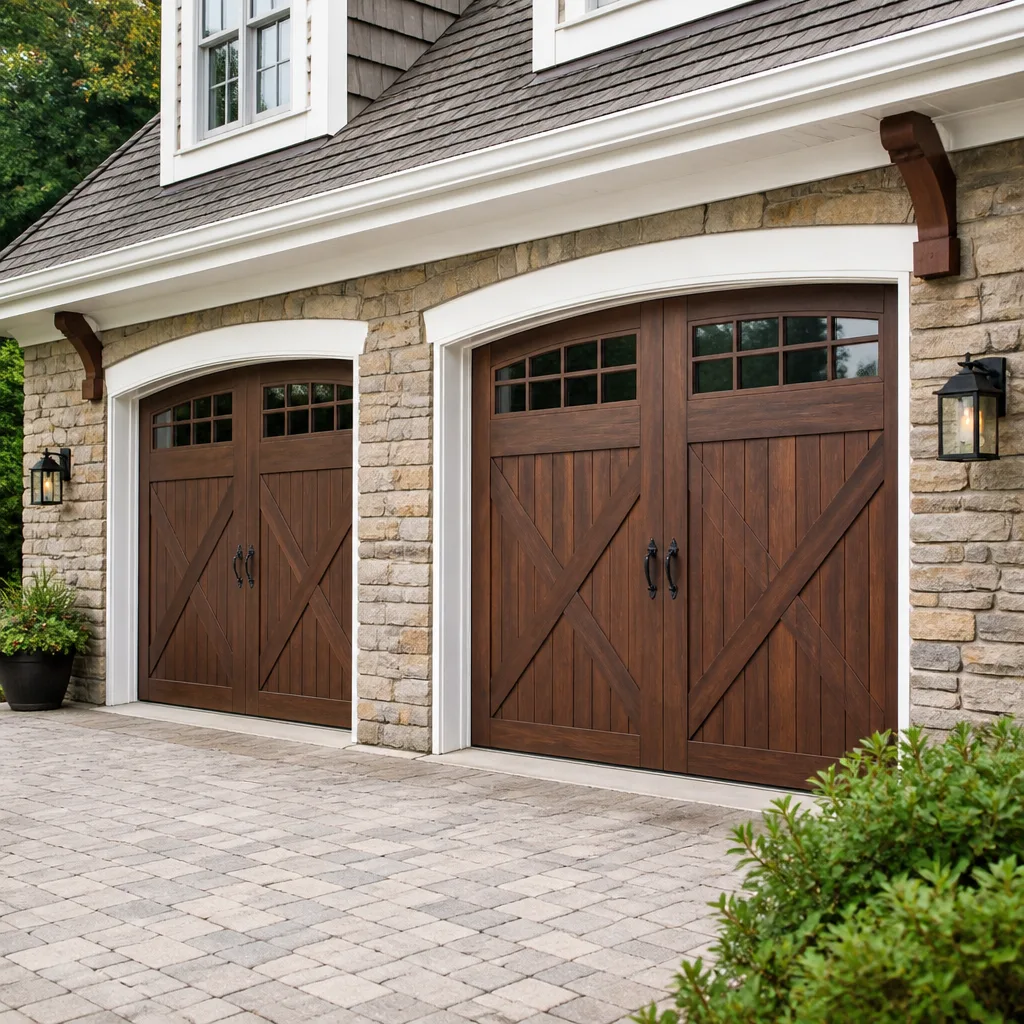 Carriage house
 Modern flush
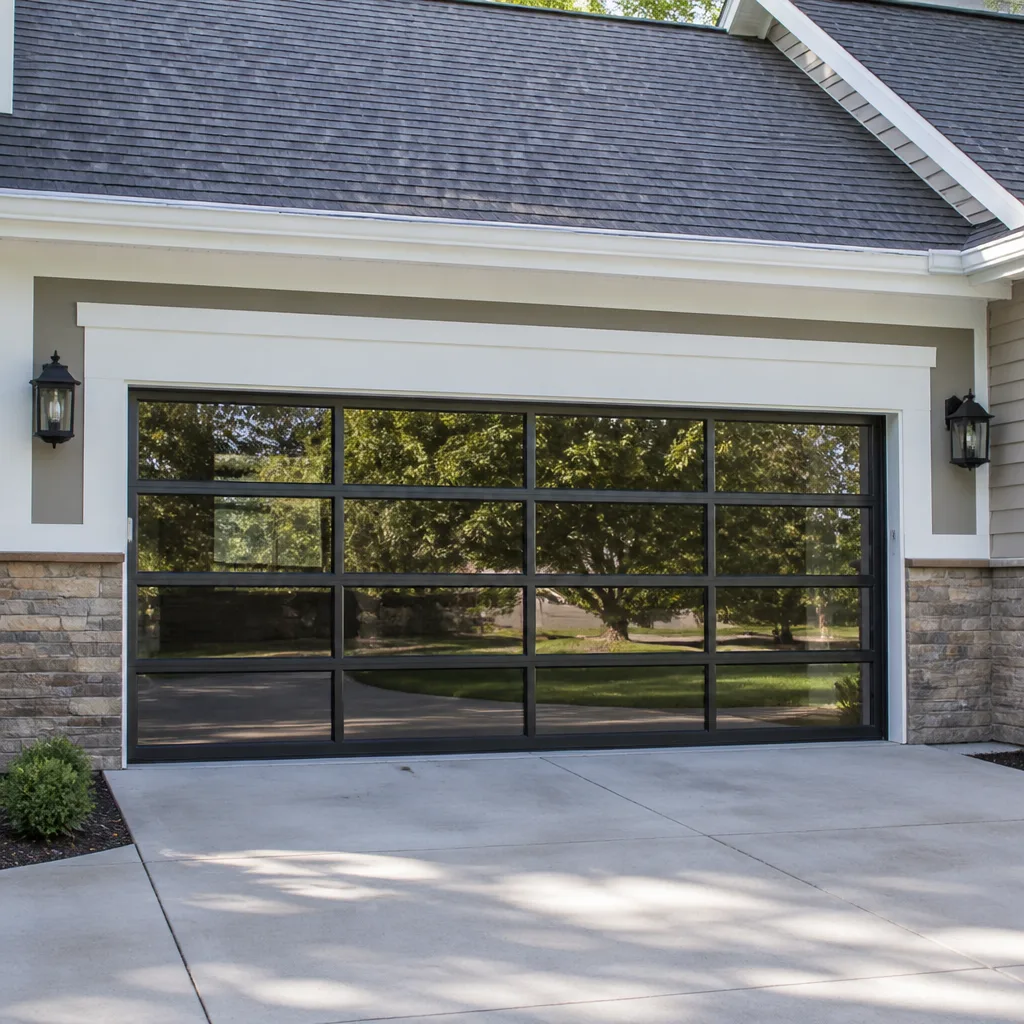 Full-view glass
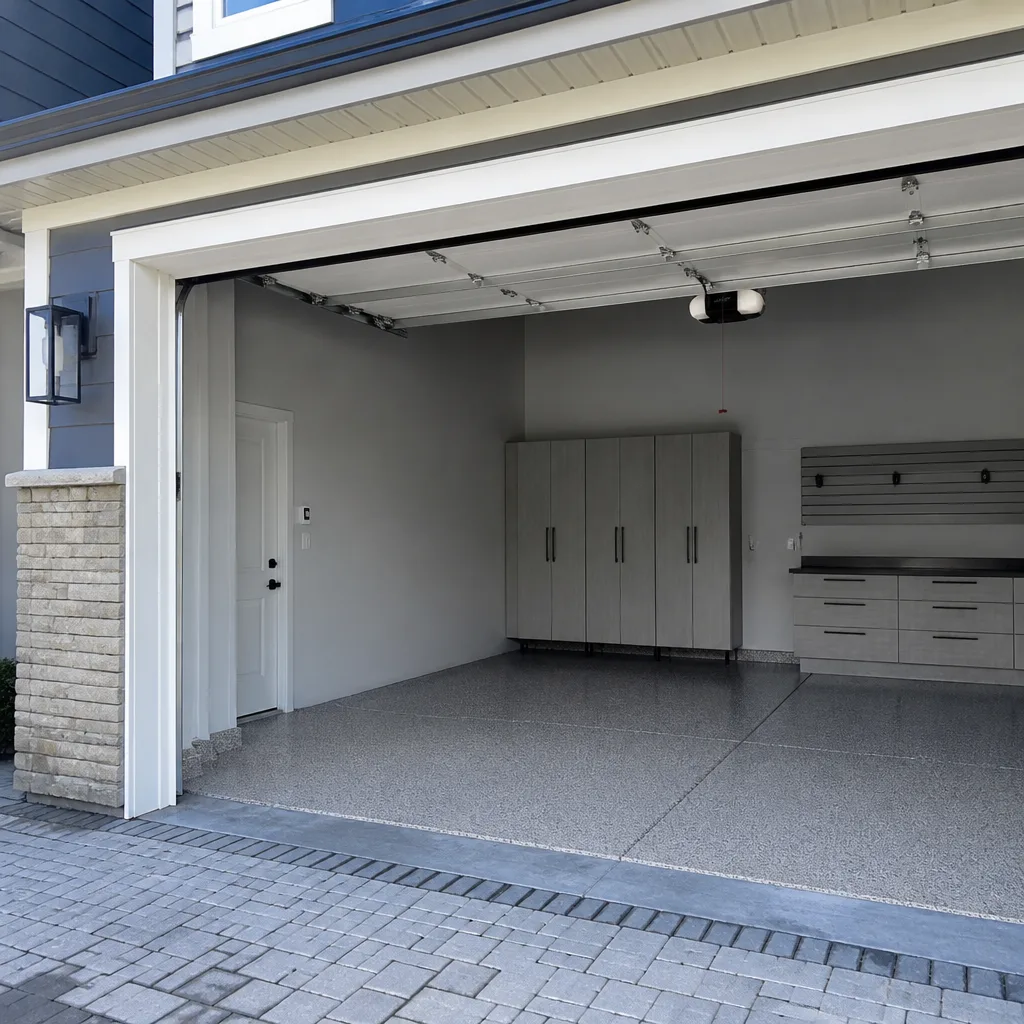 LiftMaster openers
 Chamberlain openers
Full 25-point door and opener safety check with every visit - springs, cables, rollers, tracks, and your LiftMaster or Chamberlain opener included
You get a price before we start. It does not change when the pro arrives.
Get your free estimateGarage Door Emergency Preparedness Guide for Skokie Homes
Most homeowners think about their garage door exactly once: the moment it stops working. That’s backwards. The door is the largest moving object in your house, it’s the one opening you use more than any other, and in a Skokie winter it’s the piece of equipment most likely to fail when the temperature drops hard overnight. The homeowners who get through a garage door emergency calmly are almost never the ones who got lucky. They’re the ones who knew where the manual release cord was before the power went out. This guide walks you through the whole thing: the five-point check to run now, how to release a door by hand without wrecking it, what to do when a door jams half-open, and how to secure a door that won’t close until a technician arrives. Everything here is written for Skokie homes, built for Skokie weather, and organized so you can find what you need in the middle of a bad night.
Quick Answer
Garage door emergency preparedness in Skokie comes down to three moves: locate and test the manual release cord before you need it, confirm your exterior emergency key lock and keypad battery work, and know the difference between a door stuck open (secure it tonight) and a door stuck closed (safe, but don’t force it). If a spring or cable has failed, stop operating the door, secure it, and call a specialist at (844) 789-1173. We answer 24/7. Fast dispatch from 7am to 7pm, Sunday through Friday.
Styles & brands we work with
- Raised-panel steel
- Carriage house
- Modern flush
- Full-view glass
- LiftMaster openers
- Chamberlain openers
Table of Contents
- How do you manually release a garage door during a power outage?
- What should you do if your garage door is stuck mid-travel?
- The five-point pre-emergency garage door audit
- Winter emergencies in Skokie: frozen seals, ice-bound tracks, and cold-weather opener failure
- How to safely secure a garage door that won’t close
- When a spring or cable fails: why you stop operating the door
- Common mistakes to avoid
- When to call a professional
- Frequently asked questions
How do you manually release a garage door during a power outage?
You pull the release cord hanging from the opener carriage, then lift the door by hand. In practice, three things go wrong that turn a simple manual release into a damaged door or a pinched finger. The first is forgetting the door is under spring tension and letting it drop. The second is pulling the cord while the door is open at the top, which slams the door down and can bend panels. The third is pulling the cord with the door partly open without an assistant, then losing control of it. The release cord is a safety device, but it assumes a homeowner who has thought this through once before.
Here’s the sequence a trained technician follows. Read it once now, so that on the night the power goes out you only need to remember the shape of it.
- Close the door fully first. Wait until the door is down and sitting flat. This is the safest position to release the carriage.
- Locate the release cord. It’s the red or T-handle rope hanging from the trolley on the opener rail. It should be visible and reachable from the floor. If yours isn’t, that’s a problem to fix now, not during an outage.
- Stand clear of the door. Put yourself beside the door, not under or behind it. Have a second person if you can.
- Pull straight down firmly. The trolley disconnects from the door. You’ll hear or feel a click.
- Lift the door by hand. The door should feel manageable, roughly like lifting a heavy chair. If it feels much heavier than that, stop. Something is wrong with the spring balance.
- Re-engage the carriage once power returns. With the door closed and the opener powered back on, pull the cord again to re-engage, or run the opener through a cycle per your brand’s instructions.
Two things to check while you do this: whether your opener (the brands we service most often in Skokie are LiftMaster, Chamberlain, Genie, Clopay, Amarr, Wayne Dalton, Craftsman, and Raynor) has a lock button on the wall control that disables the remote, and whether the door rolls up smoothly or catches. Catching means the door is out of balance and needs a look before the next outage. For repairs that go beyond the manual release, our garage door repair service handles the balance, rollers, and cables that cause it.
What should you do if your garage door is stuck mid-travel?
A door stuck mid-travel is not the same emergency as a door stuck closed or a door stuck open. The urgency splits cleanly: stuck closed is a nuisance you can wait out; stuck open is a security problem you need to solve the same day; stuck mid-travel is usually a mechanical problem that means stop, don’t push.
When a door stops partway up or partway down, the most common culprits are a binding roller, an obstruction on the safety beam, a stripped opener gear, or a limit switch that’s drifted out of adjustment. Rarely, it’s a spring that has weakened or a cable that has come off its drum. The distinction matters because if it’s a spring or cable, every cycle you force grinds the problem deeper and can drop the door.
Here’s how to sort it in the moment:
- If the door stopped with nothing under it and the safety beam is clear: the opener or one of the limits is likely the cause. Try a manual release. If the door lifts smoothly by hand, the door is fine and the opener is the problem. Our garage door opener repair team handles this often.
- If the door stopped with a visible sag or a gap: don’t operate it again. A sagging door means a spring or cable has lost tension. Call a technician.
- If the door stopped because something is in the way: clear the obstruction and try again. If it repeats in the same spot, the limit switch is off.
- If the door stopped and you hear the opener grinding but the door isn’t moving: the gear or the trolley has stripped. Stop running it before it burns out the motor.
Half-open doors are more annoying than dangerous if you leave them alone. Half-open doors become dangerous when a homeowner forces them down to “get the car in” and either drops the door off the track or pinches a finger in a spring-loaded panel. In our experience, the best move is to release the door, close it by hand if it will, and call for a same-day slot. A door that stays half-open on a Skokie winter night is also an invitation for cold air, small animals, and anyone walking by. We answer 24/7 and can usually get a technician out the same day.
The five-point pre-emergency garage door audit
The five things that determine whether a garage door emergency stays a mild inconvenience or turns into a real problem are almost never checked until something breaks. Run this audit once, in daylight, on a day when nothing is wrong. It takes about fifteen minutes and it will save you a very bad night at some point.
- The manual release cord. Find it. Make sure the cord hangs within reach and hasn’t been tied up or shortened to the point where you can’t get to it. Test the release with the door fully closed, then re-engage it. The cord should come down easily and the trolley should click back on when you cycle the door.
- The exterior emergency key lock. If your door has one, make sure you have the key, that it turns without force, and that the lock disconnects the door from the opener when you use it. If you’ve never used it, do it once in daylight.
- The exterior keypad battery. If you have a wireless keypad, replace the battery on your own schedule rather than waiting for it to die. A dead keypad on the outside of the house is a lockout waiting to happen. Note the brand so you buy the right battery. Amarr, Wayne Dalton, Craftsman, and Raynor systems each use different keypad families, and getting the wrong one means another trip to the store.
- Door balance. Close the door, disconnect the opener with the manual release, then lift the door halfway by hand. It should stay where you leave it. If it drops or rises on its own, the springs have lost tension and a repair is coming.
- Reverse test. With the door closing, wave an object in the safety beam. The door should reverse immediately. If it doesn’t, or if it reverses slowly, stop using the automatic opener until it’s fixed.
While you’re at it, look at the door’s bottom seal, the hinges, and the tracks. Look for rust on the tracks (Skokie winters with road salt tracked in on the car will find exposed metal eventually), screws backing out of the hinges, and a bottom seal that’s gone brittle. The bottom seal is the part that keeps Skokie wind and slush out of the garage, and it’s the single most common cause of the “my garage is freezing” complaint we hear.
Do the audit. Write the date on a sticky note in the garage. The next time you check it, you’ll know how the door has been behaving in between. If you want the audit done for you, our Skokie Garage Door Repair Pros team does a full safety inspection as part of a free estimate.
Winter emergencies in Skokie: frozen seals, ice-bound tracks, and cold-weather opener failure
Skokie winter is where garage doors get tested. The Chicago-area cold snaps bring two kinds of problems. The first is mechanical: cold shrinks seals, stiffens lubricants, and can cause a tension spring to fail outright, especially one that’s already past its cycle life. The second is snow-related: meltwater runs down the driveway, refreezes at the bottom seal, and glues the door to the floor. Or it runs into the tracks overnight and freezes them shut.
Here’s what each looks like and what to do.
Frozen bottom seal
If the door won’t lift, do not keep pressing the button. The opener will strain against a door that’s frozen to the concrete and either strip the gear or snap a spring. Release the door manually first, then use a heat gun on the low setting or a hair dryer to thaw the seal from the outside. A plastic shovel, a broomstick, or a rubber mallet to break the ice bond is fine. Never use a metal tool to pry between the door and the seal.
Ice-bound tracks
A door that lifts partway and then struggles, or a door that runs but doesn’t close evenly, may have ice packed into the tracks. Meltwater finds the tracks when it runs off the car or off the roof line, and it refreezes overnight. Thaw the tracks with warm water, wipe them dry, and lightly lubricate with a garage-door-specific lubricant once they’re clean. If the tracks have bent or bowed from ice pressure, the door needs a professional look.
Opener failure in cold weather
Chain- and belt-drive openers get stiffer in cold weather. A marginal gear, a weak capacitor, or a travel limit that was already at the edge of its range can fail outright when the temperature drops. If the opener clicks but doesn’t move the door, or moves it an inch and stops, the opener is the problem, not the door. Our teams work on the full range of openers and their brands, including LiftMaster, Chamberlain, Genie, and Craftsman, which covers most of what we see in Skokie homes.
The preventive move is simple: in late fall, lubricate the tracks, hinges, and rollers with a proper garage door lubricant, check the door balance, and test the manual release. A door that operates smoothly in November will usually keep operating through February. A door that’s already slow or noisy in fall will usually fail by January.
How to safely secure a garage door that won’t close
An open garage door is a security problem, but forcing a broken door closed is a safety problem, and safety wins. If your door won’t close because a spring or cable has failed, the door may be hanging on only part of its spring tension, and a door that’s on the way down under that imbalance can come down hard enough to injure a person. Your job is to secure the opening without operating the door.
- Stop pressing the button. Every cycle strains the damaged parts and can cause the door to drop.
- Clear the doorway. Move the car, tools, anything expensive or easy to grab out of the garage. If the door is going to stay open for the night, the garage stops being a secure space.
- Prop the door with a brace. A door stuck partway down can be braced with a sturdy 2×4 cut to the gap between the door and the floor. Slide it under the door panel, straight down, parallel to the door faces. This stops the door from dropping further. Do not try to lift the door to install a taller brace.
- Lock the service door. The pedestrian door between the garage and the house is your real lock tonight. Confirm it locks, and confirm the house door into the garage is locked.
- Cover the opening from the outside if you can. A heavy tarp or a piece of exterior plywood braced against the outside frame of the opening will keep weather and casual observation out until a technician arrives.
- Call a specialist. Skokie Garage Door Repair Pros offers emergency garage door service for exactly this situation. Call (844) 789-1173. We answer 24/7. Fast dispatch from 7am to 7pm, Sunday through Friday.
A door held by a brace is not a repaired door. It’s a stopgap. Plan on a same-day visit; the price is quoted and agreed before any work starts, and the written estimate sets the final price.
When a spring or cable fails: why you stop operating the door
Garage door springs are under extreme tension, and the cables that run alongside them are under the same tension. When either fails, the door becomes a heavy moving object that’s held only on one side. The dangerous part of a garage door is not usually the door itself. It’s the spring and the cable that hold it up. This is where we’re most insistent: stop operating the door, don’t try to replace the spring yourself, and don’t trust anyone who offers to do it without proper training. A spring that releases under tension can cause serious injury.
Signs that a spring has failed:
- The door won’t lift by hand, or lifts only with enormous effort
- The door lifts a foot and then stops
- You hear a loud bang from the garage, followed by the door not opening
- A visible gap in the spring coil, or a spring that looks stretched or unwound
- The door is noticeably sagging on one side when lifted
Signs that a cable has failed:
- A cable hanging loose, or coiled at the bottom of the track
- A door that lifts unevenly, with one side rising faster than the other
- A drum that has come off the torsion bar
In either case: don’t force the door, don’t try to lift it more than a few inches, and call a technician. Our garage door spring repair service is a dedicated specialty for us, not an afterthought. Spring replacement is done safely by trained technicians, with the right tools, on the right brand of door. Springs on most residential doors are sold as one spring or as a matched pair; if both are the same age, they’re usually replaced together, and a pair costs about twice the price of a single spring. The estimate you get will spell out which is which for your door.
If your door uses extension springs rather than a torsion spring, the same rules apply. Extension springs are under less tension than torsion springs but can still cause serious injury, and they’re the reason extension-spring doors often come with a safety cable running through the center of the spring. If the safety cable is missing or broken, that’s a repair for a professional.
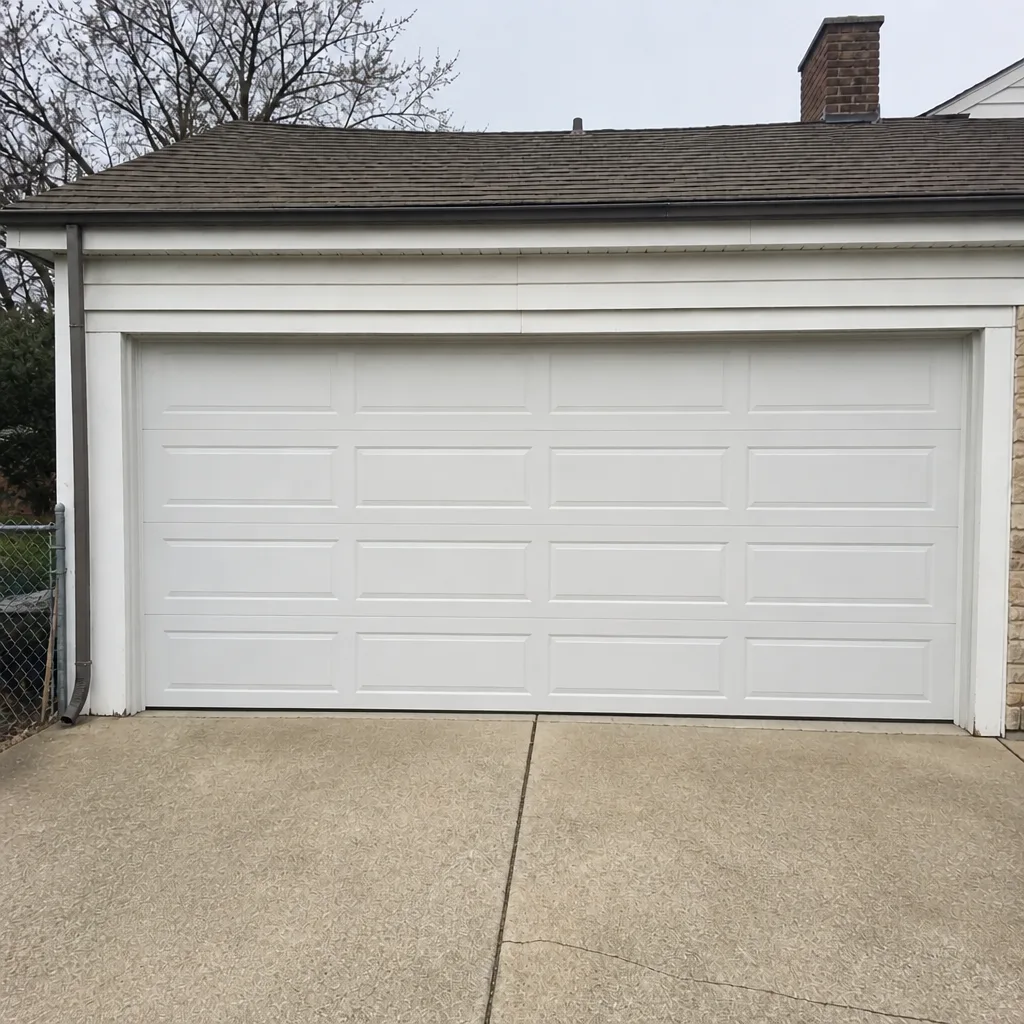
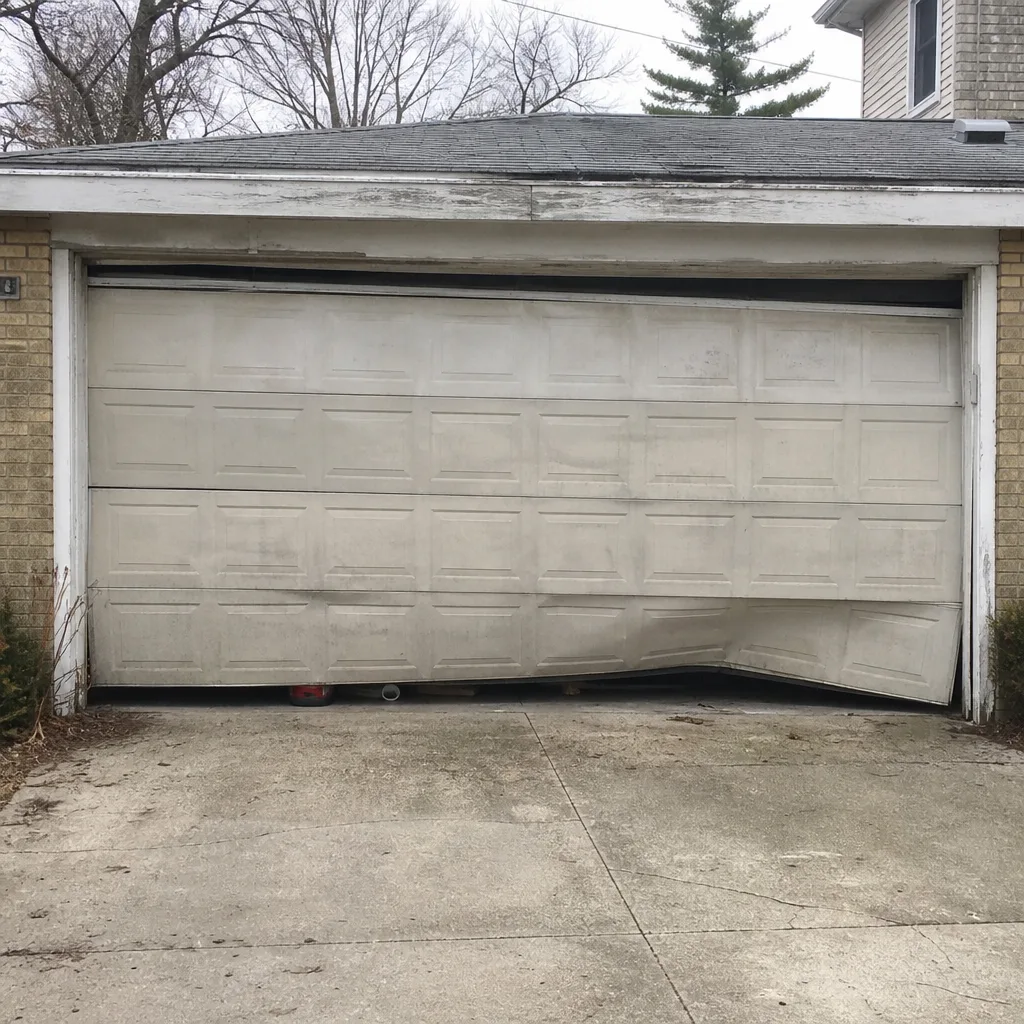
See the difference
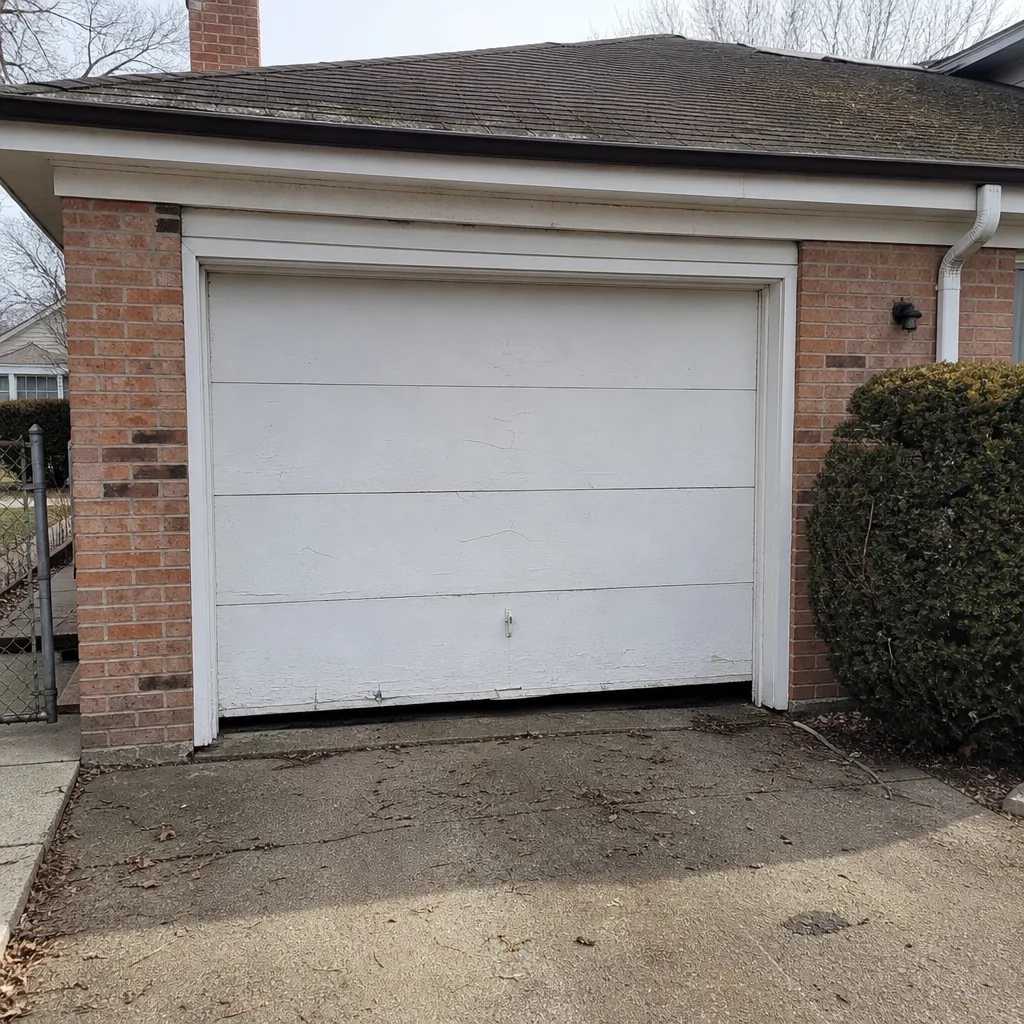 Before
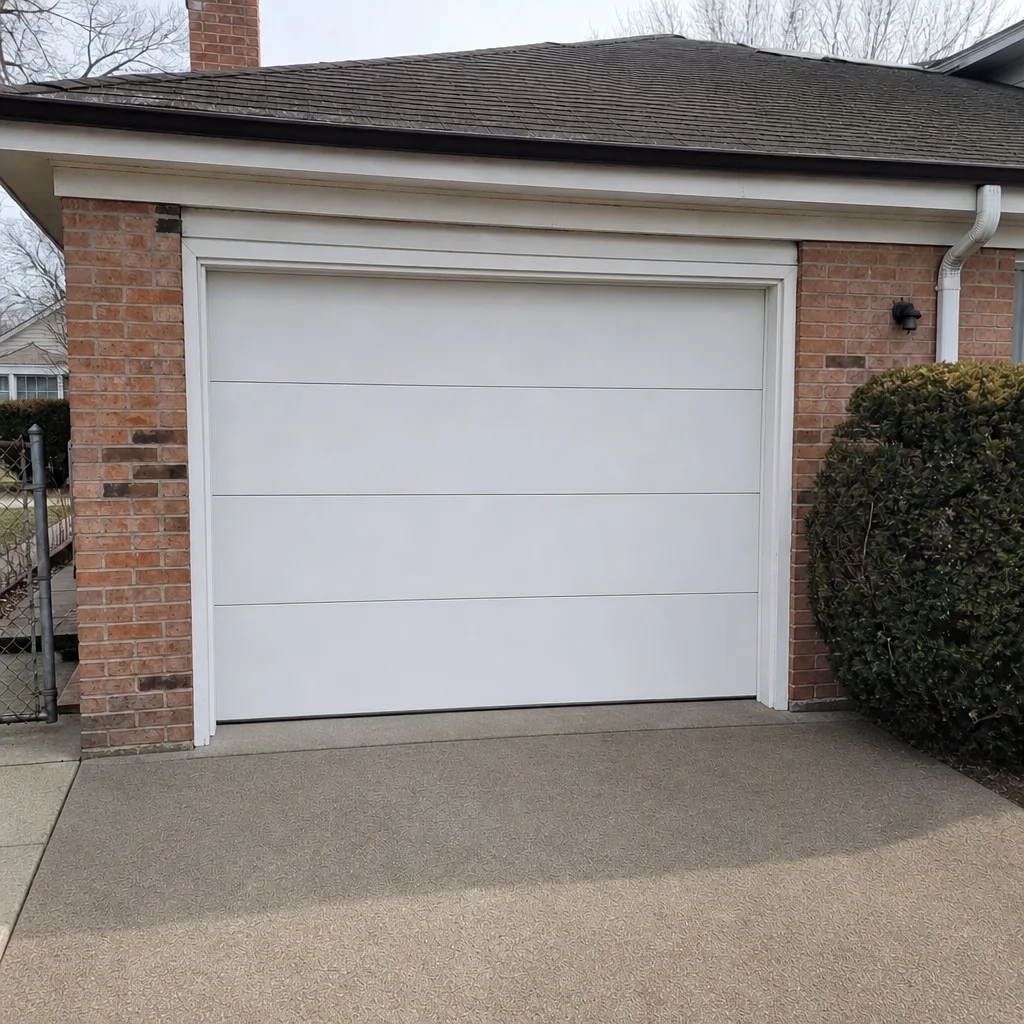 After
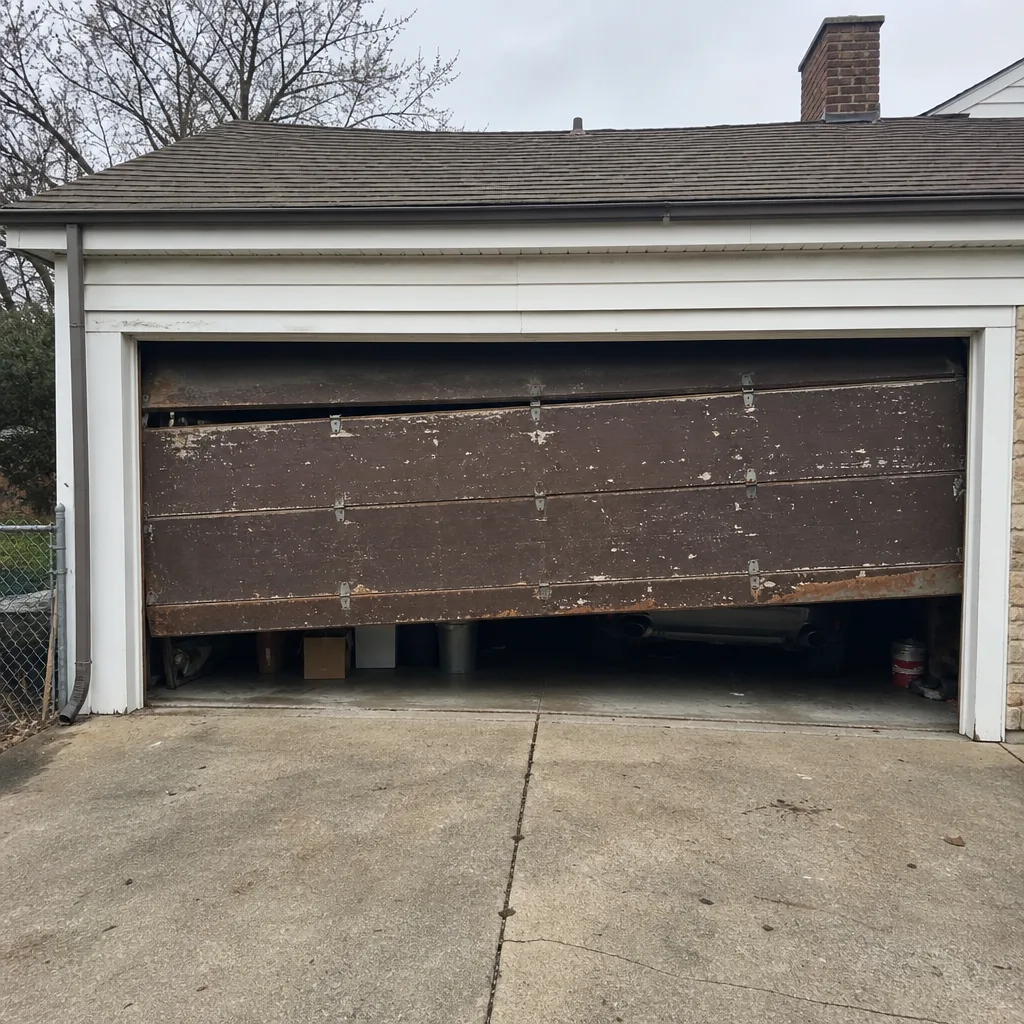 Before
 After
 Before
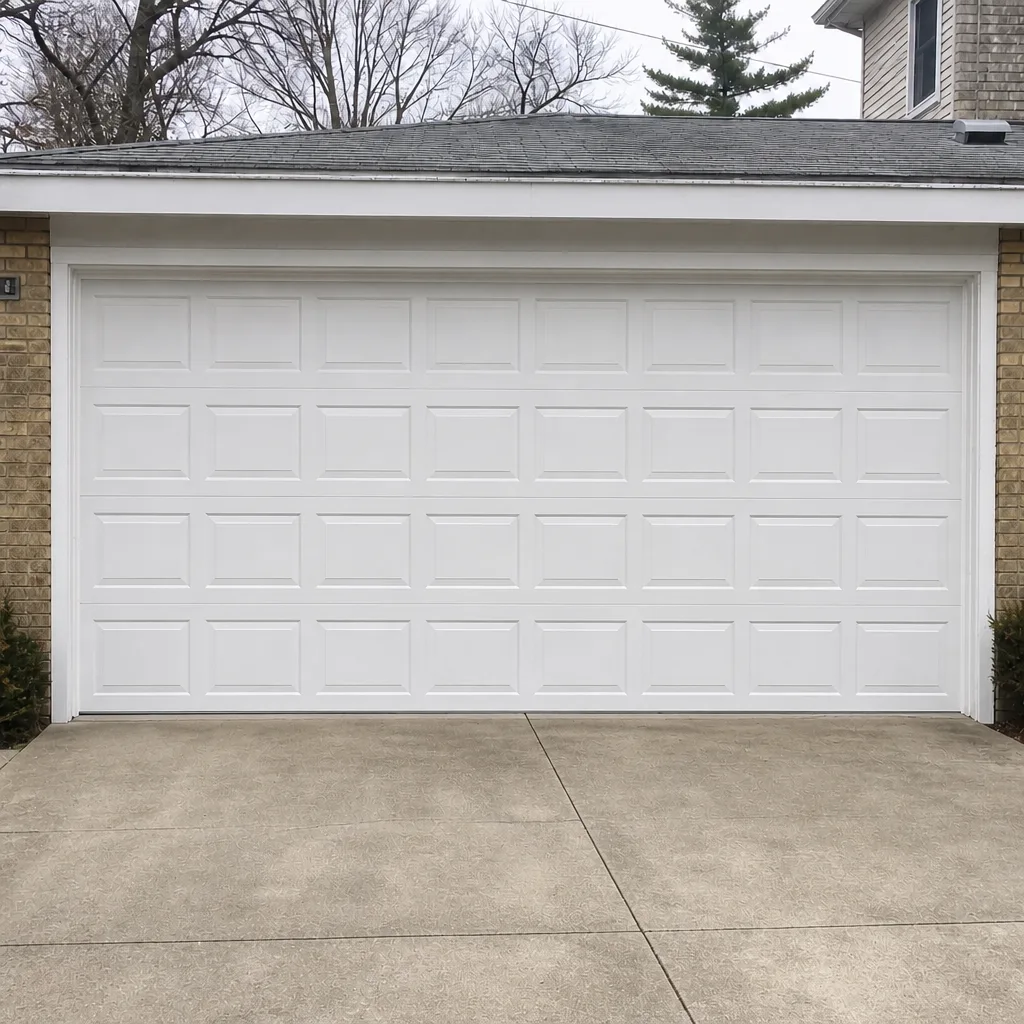 After
Common Mistakes to Avoid
- Pressing the button repeatedly on a door that won’t open. In Skokie winter, this is often the moment a door that was frozen to the floor goes from a thaw-and-go to a stripped gear. Release the door manually first, every time.
- Pulling the manual release cord while the door is up. This is the single most common way homeowners slam a door down and bend panels. Always close the door fully before pulling the release.
- Forcing a door that’s stuck halfway or that has lost a spring. The door is heavier than it looks when it’s not balanced. A door that drops under its own weight lands fast.
- Buying a replacement remote or keypad without matching the brand. Two of the same-looking remotes from the same shelf may not work with your opener. Bring a photo of your opener’s label to the store, or ask us first.
- Using WD-40, cooking oil, or silicone spray on the tracks. These attract grit and gum up the rollers. A garage-door lubricant applied to hinges, rollers, and springs (not the tracks themselves) is the right call.
- Letting a dead keypad battery sit. A keypad that stops working on a night when everyone’s already inside and the power is out is the beginning of a lockout. Replace the battery annually, ideally in the fall.
- Ignoring the first warning sign. Slow, noisy, or uneven doors get worse. A door that needs a hand on it to close is a door that’s going to fail. Call it in while it’s a scheduled repair rather than an emergency.
When to Call a Professional
Call a professional the moment a spring or a cable has failed, the door has dropped or is sagging, the opener is grinding without moving the door, or the door won’t close and won’t hold in the frame. Call if a door is stuck halfway and forcing it feels like it could damage it. Call if the door reverses unexpectedly on its own, if the safety beam fails the reverse test, or if you’re not confident in what you’re looking at. A garage door is a spring-loaded system. The consequences of getting it wrong run from a bent door to a serious injury, and the difference is not always visible.
Skokie Garage Door Repair Pros offers free estimates in Skokie. Call (844) 789-1173. We answer 24/7. Fast dispatch from 7am to 7pm, Sunday through Friday. Our technicians have up to 15 years of experience, and we’re specialists in garage doors only, not a general home-service company. The written estimate sets the price before any work starts.
Frequently Asked Questions
Use the manual release cord, then lift the door by hand. Close the door fully first, find the red T-handle cord hanging from the opener carriage, pull it straight down, then lift the door from the bottom panel with two hands. The door should feel like lifting a heavy chair; if it doesn’t, stop and call a technician. We answer 24/7 at (844) 789-1173 if you’re not sure.
The door usually won’t lift by hand, or lifts a foot and stops, and you may have heard a loud bang from the garage. A visible gap in the spring coil or a door that sags on one side confirms it. Stop operating the door and call a specialist for spring replacement. Our spring repair service is a named specialty for us and covers one spring or a matched pair; estimates are free.
No. A door that’s lost a cable is unsupported on one side, and forcing it down can cause the door to drop or come off the track. Secure the opening with a brace under the door, lock the pedestrian door, and call for a same-day visit. Skokie Garage Door Repair Pros handles this situation often. Call (844) 789-1173 for a free estimate.
Most openers will operate in cold weather, but a marginal one will fail when the temperature drops hard overnight. Weak gears, worn capacitors, and limit switches that were already at the edge of their range are the usual failures. If the opener clicks but doesn’t move the door, it’s an opener problem, not a door problem. Our opener repair team works on LiftMaster, Chamberlain, Genie, and Craftsman, among other brands.
Keep the bottom seal clear of snow and ice, lubricate the tracks, hinges, and rollers before winter, and check the door balance in late fall. If the seal does freeze to the floor, don’t press the opener button; release the door manually and thaw the seal with a hair dryer or warm water. Never pry between the door and the seal with a metal tool.
No. The written estimate sets the price before any work starts, and that’s the price you pay. If the technician finds something additional during the visit, you’ll get a revised written estimate and the work only goes ahead once you agree. Call (844) 789-1173 for an exact quote on your door. Estimates are free.
The Bottom Line
Garage door emergencies are predictable. Springs wear out, seals freeze, keypad batteries die, and openers quit when the temperature drops. The homeowners who come through these moments with a door and a night intact aren’t the lucky ones; they’re the ones who found the release cord, tested the keypad, and checked the door balance before they needed to. Run the five-point audit on a quiet afternoon. Know where the manual release is and how it feels to use it. Learn the difference between stuck closed (safe, don’t force it) and stuck open (secure it and call). And when a spring or a cable fails, stop the door, brace it, and call a specialist. That’s the whole plan. It takes fifteen minutes now, and it saves a bad night later.
If you’d rather have a trained eye walk your door through the same checklist, Skokie Garage Door Repair Pros offers free estimates across Skokie. We’re a garage-door-only shop, we work on the eight brands most common in Skokie homes, and we handle everything from a snapped spring to a full new door. Call (844) 789-1173. We answer 24/7. Fast dispatch from 7am to 7pm, Sunday through Friday.
Written by the team at Skokie Garage Door Repair Pros.