
Last updated November 23, 2026
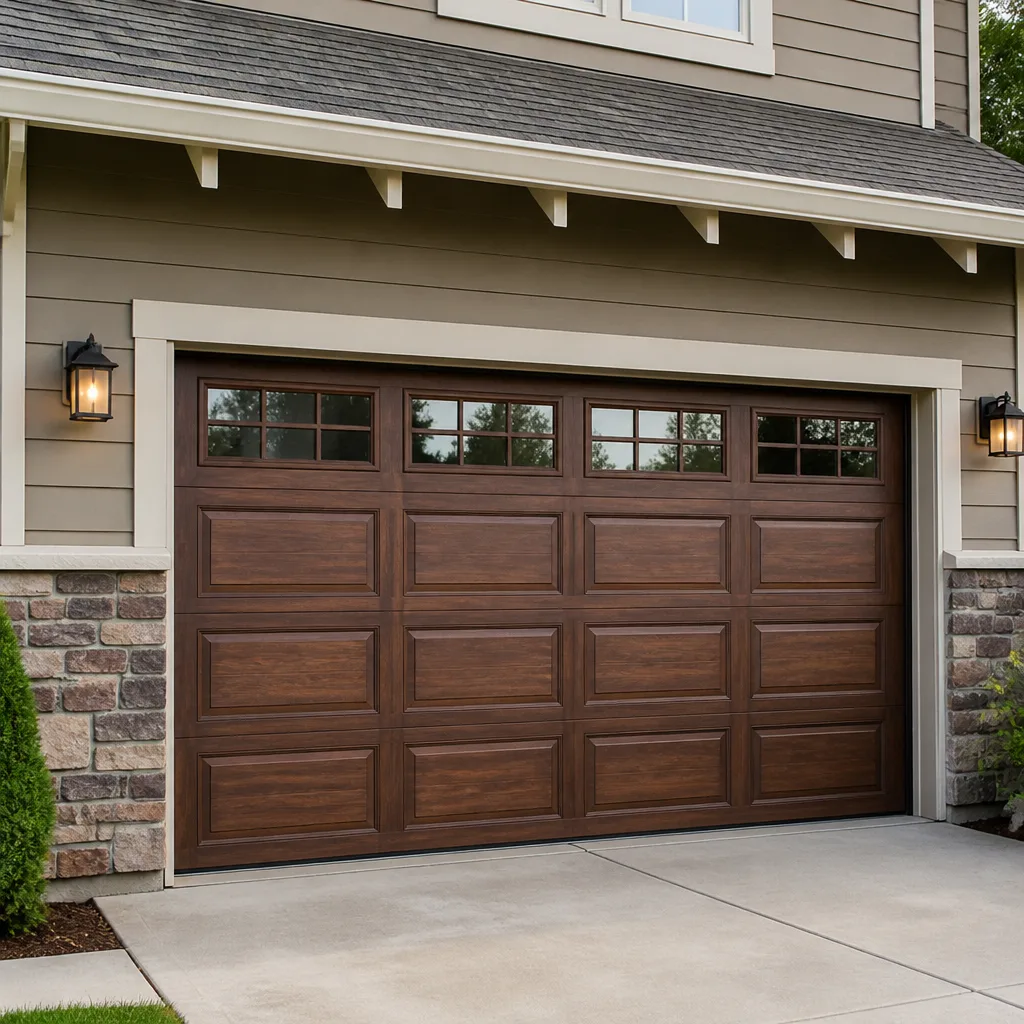
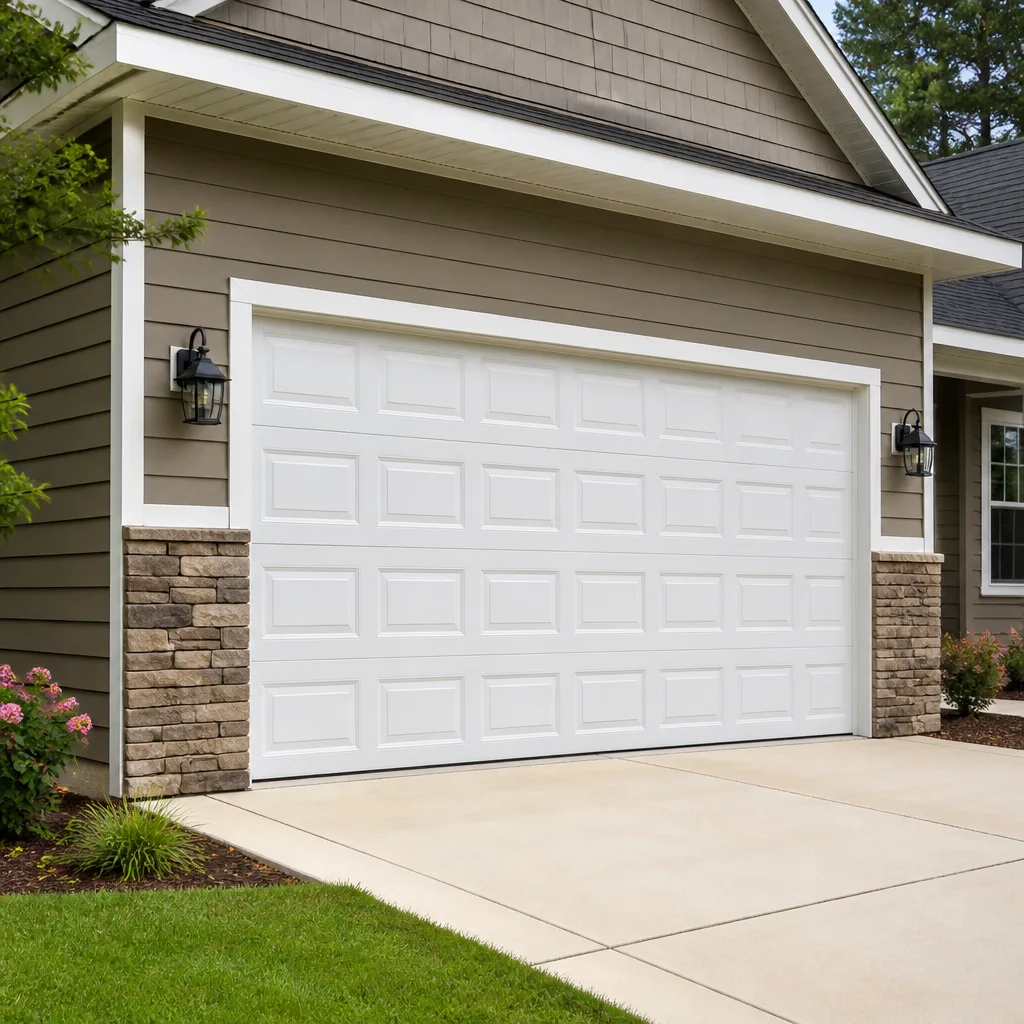 Raised-panel steel
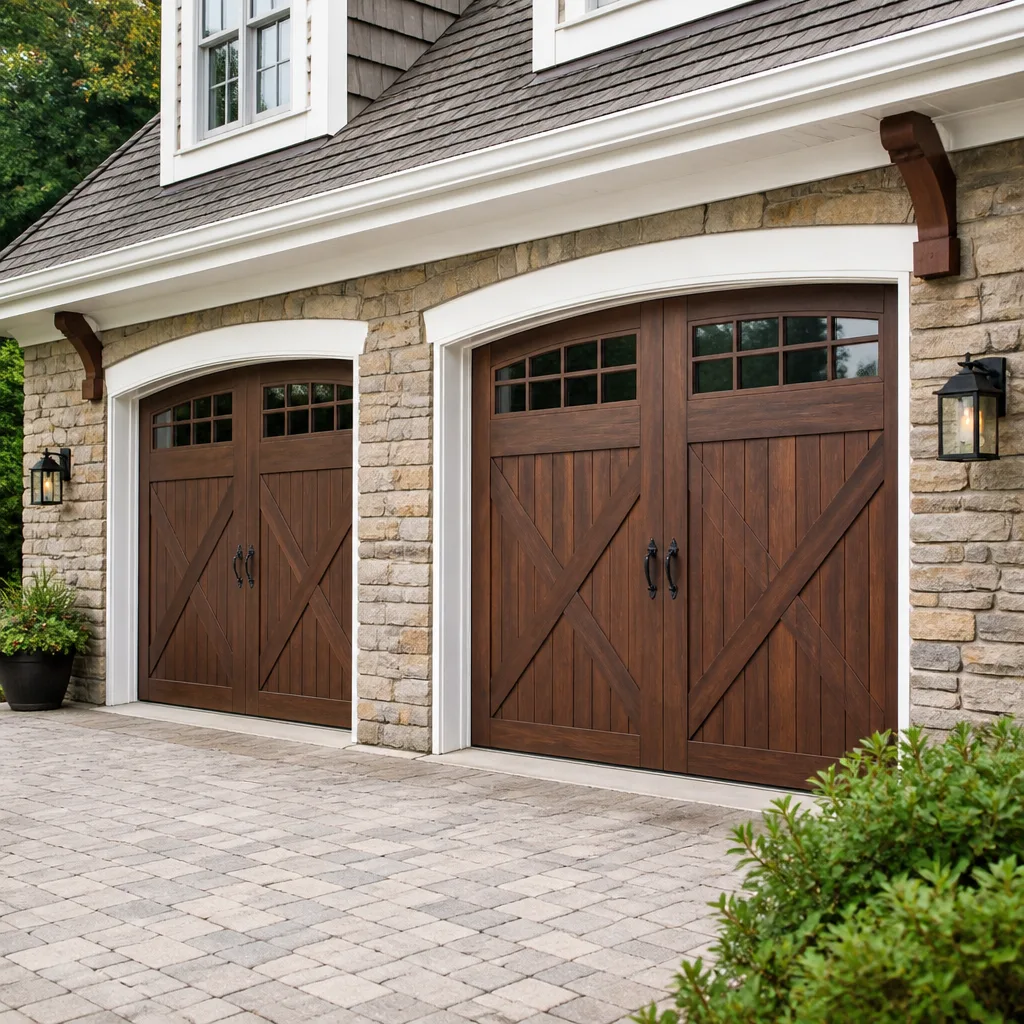 Carriage house
 Modern flush
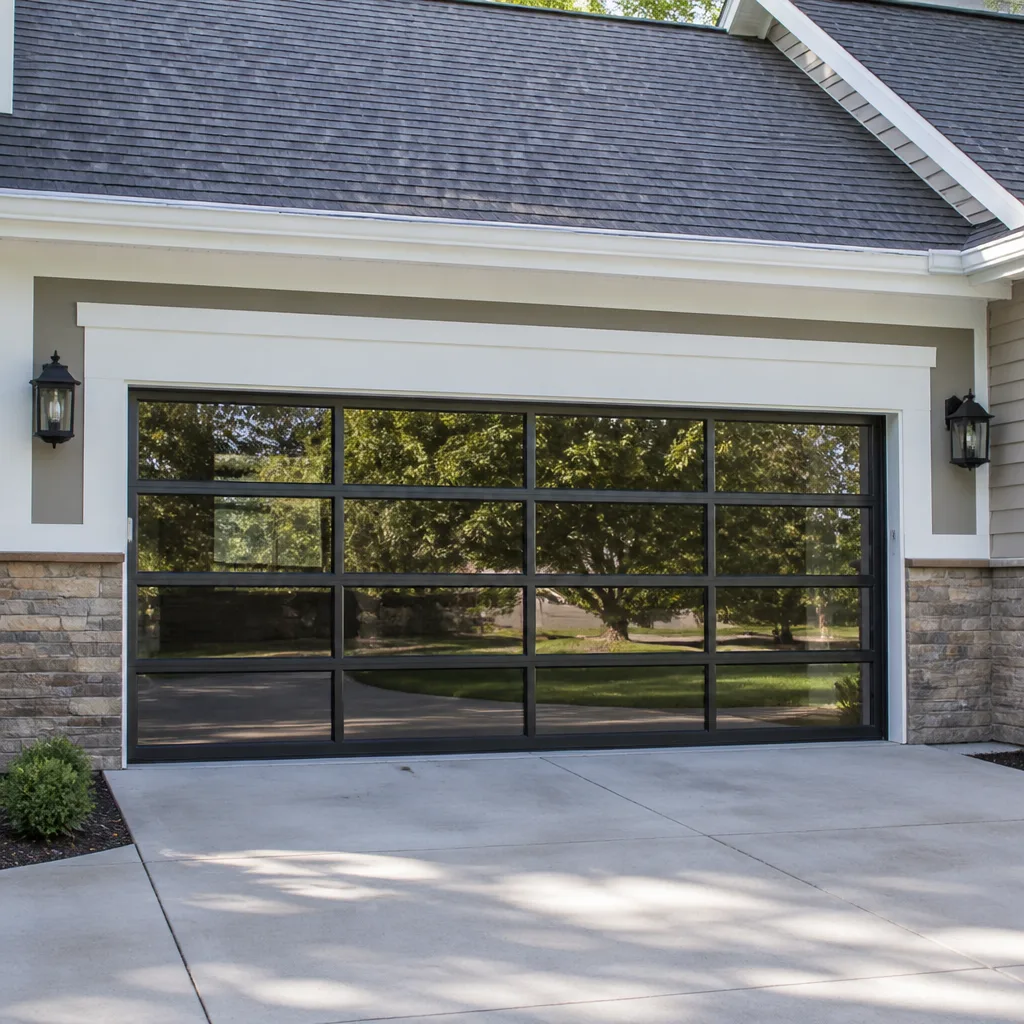 Full-view glass
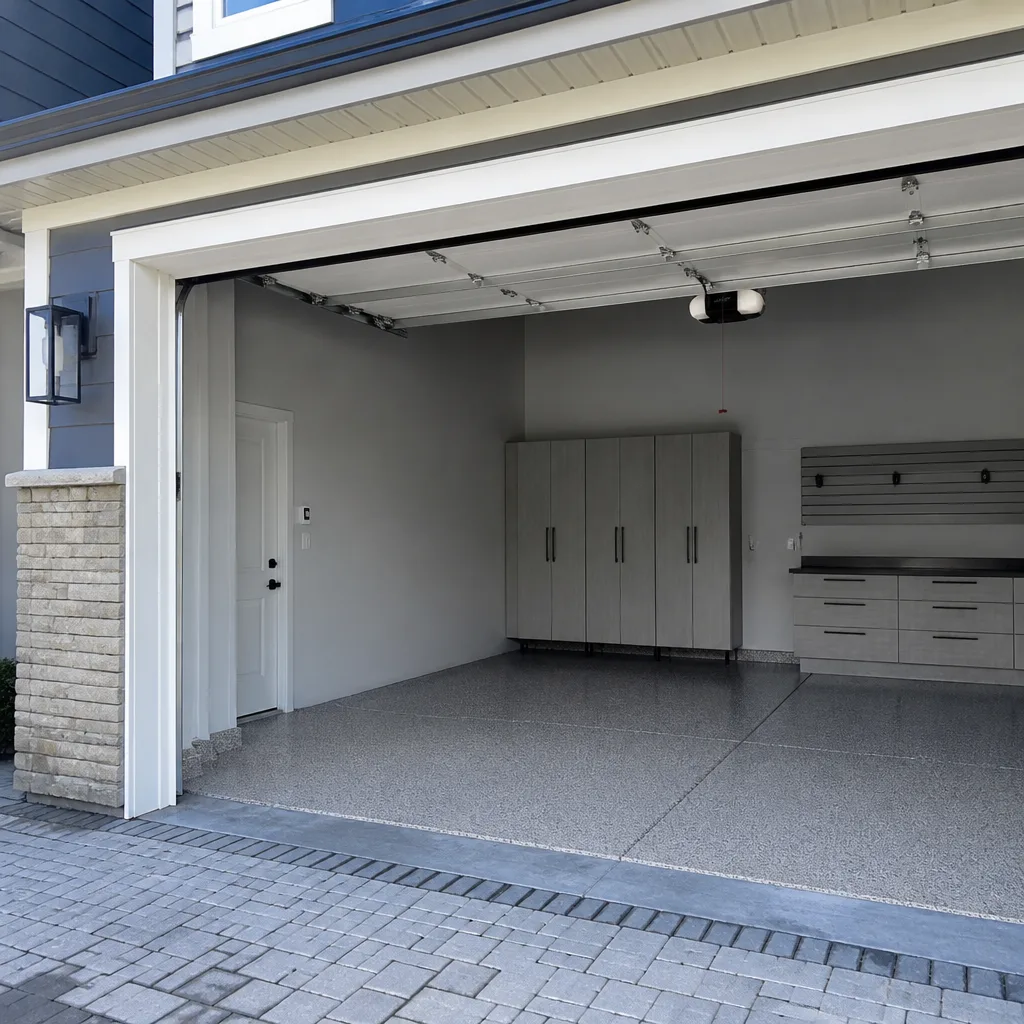 LiftMaster openers
 Chamberlain openers
Full 25-point door and opener safety check with every visit - springs, cables, rollers, tracks, and your LiftMaster or Chamberlain opener included
You get a price before we start. It does not change when the pro arrives.
Get your free estimateDIY vs Professional Garage Door: The Skokie Homeowner’s Decision Guide
Most guides to this question treat it as a money decision: can you save a few hundred dollars by doing it yourself? That’s the wrong axis. Garage door components differ enormously in how dangerous a DIY mistake actually is. Changing a remote battery and replacing a torsion spring both count as “garage door repair,” but one is a five-minute task and the other is a job that can break a wrist before you realize you’ve made a mistake. The real decision is component by component, not job by job. In this guide we’ll walk through which tasks are genuinely safe to handle yourself, which ones carry real injury or property-damage risk, what tools and knowledge safe DIY actually requires, the hidden costs that shrink the savings, and how to split the work intelligently. If you live in Skokie, the specifics of an attached garage and a northern Illinois winter matter too, and we’ll get to those.
Quick Answer
Safe DIY garage door work is limited to low-energy tasks: cleaning and lubricating tracks, tightening accessible bolts, replacing remote batteries, testing the safety reverse, and adjusting the opener’s travel or force limits per the manual. Anything involving torsion springs, extension springs, cables, drums, bottom brackets, or the door’s structural panels should go to a trained technician. The dividing line is stored mechanical energy. Springs and cables hold enough force to injure seriously in an instant, and that risk does not change with skill level.
Styles & brands we work with
- Raised-panel steel
- Carriage house
- Modern flush
- Full-view glass
- LiftMaster openers
- Chamberlain openers
Table of Contents
- The Component-by-Component Risk Table
- What Safe DIY Actually Requires
- The Hidden Costs of DIY
- Legal and Insurance Exposure in an Attached Garage
- The Smart Hybrid: DIY the Safe Parts, Call a Pro for the Rest
- What Makes Skokie Garages Different
- Working With the Brand You Actually Own
- Deciding in Five Minutes
The Component-by-Component Risk Table
Here’s the framework we use when a homeowner calls and asks whether they should try something themselves. Forget the job title and look at the component. Risk tracks mechanical energy, spring tension, and how far a failure will fall or snap. A garage door is the largest moving object in most homes, and its parts sit on a wide spectrum from harmless to genuinely dangerous.
Low risk – DIY is reasonable for a careful homeowner:
- Washing and waxing the door surface.
- Cleaning debris from the tracks with a cloth or brush.
- Lubricating rollers, hinges, and the torsion bar bearings with a proper garage door lubricant (not WD-40 as a substitute).
- Tightening bolts on the hinges and roller brackets that are visibly loose, with the door fully down.
- Replacing batteries in remotes and keypads, and re-pairing remotes to the opener.
- Testing the safety reverse by placing a 2×4 flat on the floor in the door’s path and confirming the door reverses on contact.
- Adjusting opener travel and force limits strictly following the owner’s manual.
Medium risk – proceed only if you’re confident and follow the manual exactly:
- Replacing a wall-mounted push button or adding a second one on an existing circuit.
- Replacing rollers where they attach to the hinge plates (not the bottom bracket).
- Replacing weather seal along the bottom of the door or the frame, which involves no spring tension.
- Clearing an obstruction that tripped the safety sensors, then re-aiming the sensors.
High risk – call a trained technician:
- Torsion spring replacement or adjustment. These springs are under hundreds of pounds of stored torque and can release catastrophically.
- Extension spring replacement, which involves the same stored energy in a different configuration.
- Cable replacement or re-tensioning. Cables carry the full weight of the door and can whip if they fail.
- Drum, bottom bracket, and center bearing plate work.
- Replacing or repairing a panel that has come off its track, or straightening a bent track.
- Any repair involving a door that has left its track, fallen, or is hanging from one side.
Our garage door spring repair specialists treat the high-risk category as a named specialty for exactly this reason. The work itself is routine for a trained technician; it is not routine for someone learning on their own door.
What Safe DIY Actually Requires
Watching a video is not preparation. Real preparation means you own the correct tools and understand what each component does before you touch it. Here’s the honest baseline for the low- and medium-risk tasks in the previous section.
Tools worth having on hand:
- A proper garage door lubricant (silicone-based or lithium grease, not a multi-use spray).
- A socket set and nut drivers in the sizes your hinges and brackets use. Door hardware stretches across standard sizes but isn’t universal.
- A stepladder tall enough to reach the top of the door safely without overreaching.
- Safety glasses. Always. Even for cleaning.
- A clean cloth or soft brush for track cleaning.
- A 2×4 offcut for safety reverse testing.
- The owner’s manual for your opener, printed or on your phone. Travel and force adjustments are model-specific.
Baseline knowledge you should have before touching anything:
- Which type of spring assembly your door has – torsion (mounted on a bar above the door) or extension (two springs running parallel to the tracks). This tells you what to leave alone.
- What the safety reverse is and why it exists. It’s the single most important safety feature on the whole system, and testing it monthly takes thirty seconds.
- What the photo-eye sensors do and where they point. An obstruction that trips them is one of the most common “broken door” calls we get.
- The weight class of your door. A single-car door weighs far less than a double-car insulated door, and that changes the forces in play.
- The brand and model of your opener. Adjusting a LiftMaster is not identical to adjusting a Genie or a Chamberlain.
If you can’t honestly tick these boxes, the low-risk list is still yours to use. The medium-risk list is not.
The Hidden Costs of DIY
The savings math most homeowners run is repair cost minus parts cost. That leaves out three costs that close the gap surprisingly fast.
Specialized tools you’ll buy once. Torsion spring winding bars, a cable-puller, and a proper set of door hardware sockets are not standard homeowner equipment. Buying them for one job often eats most of the savings on a single repair, and unless you plan to replace springs again, they’ll sit in the garage.
Warranty voidance. Many door and opener manufacturers condition their warranty on installation and service by qualified personnel. A DIY repair that goes wrong or damages a neighboring component can disqualify a claim you’d otherwise have. Before you start, read the warranty documentation that came with your door or opener and understand what it says about who performs service. On a Raynor or Clopay door, for example, the warranty language is specific.
Redo risk. This is the big one. A spring replaced with the wrong wire gauge, or a cable re-tensioned incorrectly, will fail again – often worse than the original problem. The second repair combines the parts cost of both attempts with possible damage to drums, cables, or the door itself. In our experience, redo jobs take longer than a first-time professional repair because we have to undo the initial attempt before we can fix anything. That’s a real added cost, not a scare tactic.
Time cost you didn’t account for. A typical spring or opener repair is a scheduled job of one to two hours for a trained technician. A first-time DIY attempt often runs an entire afternoon once you factor in YouTube refreshers, tool runs to the hardware store, and the adjustments you’ll make after the first try didn’t work.
When you add those three up, DIY savings on low-risk tasks are genuine, and DIY savings on high-risk tasks are often imaginary.
Legal and Insurance Exposure in an Attached Garage
Most Skokie homes have an attached garage, and that changes the stakes in a way that doesn’t show up on a repair estimate. An attached garage shares walls with your living space. A garage door that falls after a DIY repair can damage the shared wall, a vehicle, or someone walking through the garage at the wrong moment. A spring that fails during an attempted DIY replacement can injure the person doing the work.
Understanding your insurance position is a quick, worthwhile step before starting any medium- or high-risk task:
- Read your homeowner’s policy section on self-performed repairs. Some policies contain language about work performed by unqualified persons or about damage resulting from improper installation.
- Check what your policy says about injuries on your property. If a helper is injured during the job, coverage depends on your policy language, not on how careful you both were.
- Talk to your agent before you start, not after. A five-minute call clarifies what your coverage actually includes.
- If your garage shares a wall with a neighbor’s unit, like some townhome configurations in Skokie, ask whether your policy or theirs covers damage to a shared wall.
We’re not lawyers and we won’t pretend to be one. But we’ve seen enough damaged drywall and bent door panels to know that the legal and insurance question is real, and it belongs in the DIY decision alongside the parts cost.
The Smart Hybrid: DIY the Safe Parts, Call a Pro for the Rest
You don’t have to pick a side. The best outcomes we see are hybrid jobs: the homeowner handles the safe, low-risk maintenance, and a specialist handles anything involving stored energy. Here’s a practical way to split the work.
Your side of the job:
- Test the safety reverse monthly by placing a 2×4 flat on the floor in the door’s path. The door should reverse on contact. If it doesn’t, stop using the door and call for service.
- Wipe down the tracks with a cloth to clear dust and grit. Don’t use solvents or grease in the tracks.
- Lubricate rollers, hinges, and bearings with a proper garage door lubricant. A light spray once or twice a year is plenty.
- Check the balance: pull the release, lift the door halfway, and let go. A balanced door holds its position. A door that drops or rises on its own needs adjustment from a professional.
- Tighten accessible hinge bolts that have worked loose. Use hand pressure, not an impact driver.
- Test the photo-eye sensors by waving an object across the beam. If the door reverses, they’re working. If it doesn’t, call for service.
The technician’s side of the job:
- Any spring, cable, drum, or bottom bracket work.
- Track straightening or roller replacement on a door that has come off its track.
- Opener repair beyond the manual’s own adjustment limits.
- Any noise, sag, or imbalance you can’t pin down to a loose bolt.
- Full door replacement or new installation.
The reason this split works is that the technician’s time goes to the dangerous work, and your time goes to the maintenance that keeps the dangerous work from being needed. It’s also cheaper than calling for every minor adjustment and safer than attempting every repair. If your door is making noise or running rough, our garage door repair team can look at it and tell you what needs fixing.
What Makes Skokie Garages Different
Skokie’s housing stock spans a wide range, from mid-century ranches and split-levels to newer construction and townhome rows, and the garage doors that came with those homes reflect that range. In our experience, three local realities shape what homeowners here face.
The winter cycle. Northern Illinois freezes and thaws repeatedly through the season. That freeze-thaw cycle puts extra strain on door seals, on the door’s balance, and on the opener’s force settings. A door that works fine in October can struggle in January because the bottom seal has stiffened and the opener is straining to close it. A properly balanced door with a good seal handles winter far better than one that’s out of adjustment.
Road salt and grit. Skokie’s streets get salted through the winter, and some of that grit ends up on the garage floor and in the track. Grit in the track accelerates roller wear. That’s a maintenance issue, not a safety issue – regular track cleaning is genuinely useful work you can do yourself.
Attached garages and shared walls. As noted earlier, many Skokie homes have attached garages and some townhomes share walls between units. That raises the stakes on any repair that could affect the door’s structural integrity. A panel that fails and hits a shared wall is not just a door problem.
None of this makes Skokie garages fundamentally different from those in nearby communities. It just means the local rhythm – cold winters, salt, attached garages – favors keeping the low-risk maintenance current and calling a specialist the moment anything sounds or feels wrong.
Working With the Brand You Actually Own
One more consideration that rarely gets mentioned: door and opener brands have their own quirks, and that matters for both DIY and professional repairs. A Genie opener’s travel and force adjustments don’t follow the same procedure as a Chamberlain’s. A LiftMaster safety reverse test works the same way in principle but the LED indicators behave differently. A Raynor door’s hinge and bracket layout may not match what a YouTube video assumes.
We work on your brand – all eight of the common residential brands, including LiftMaster, Chamberlain, Genie, Clopay, Amarr, Wayne Dalton, Craftsman, and Raynor – because a technician who has to figure out the brand on the job is a technician learning at your expense. The same logic applies to DIY. Before attempting any adjustment, find your door or opener’s manual and follow it specifically. A generic video is a starting point, not a guide.
If your opener isn’t responding, our garage door opener repair specialists can diagnose the actual problem instead of guessing at it. Many “dead opener” calls turn out to be a safety-sensor issue, a capacitor failure, or a wall-button problem, and diagnosing which one takes about ten minutes for someone who does it daily.
Deciding in Five Minutes
If you’re standing in the garage trying to decide, run through this short list.
- Ask what component is involved. If it’s a spring, cable, drum, bracket, or the door’s structure, call a professional. No exceptions.
- If it’s the opener, check the manual’s troubleshooting section first. If the manual doesn’t solve it in ten minutes, call.
- If it’s tracks, rollers, or hinges, decide based on your tools and your confidence. Loose bolts and a wipe-down are yours. Bent tracks and broken rollers go to a technician.
- If the door is off its track, hanging, or making a loud snap when it moves, stop using it and call. This is the scenario where a DIY attempt can turn a fixable repair into a full replacement.
- If your gut says “I don’t really know what I’m looking at,” call. That instinct is correct more often than not.
For anything on the “call” side of that list, our team at Skokie Garage Door Repair Pros handles it as a specialist job, not a side project.
Same-Day Repair
A garage door failure has a way of happening at exactly the wrong moment. The door won’t close on a night when you’re leaving early the next morning for work. The opener won’t lift on a cold morning when the car is behind it. That’s why same-day service exists for repair work in Skokie. Call and we’ll get a technician scheduled as quickly as our dispatch allows.
Here’s what happens when you call: we ask what the door is doing, what brand it is, and whether it’s currently stuck open or stuck closed, because that shapes the first step. If it’s a spring, cable, or opener failure, we’re equipped to handle typical residential repairs on the first visit. Our technicians have up to 15 years of experience, and they’ve seen most failure modes many times over. The written estimate is agreed before any work starts.
We answer 24/7. Fast dispatch runs from 7am to 7pm, Sunday through Friday. A call outside dispatch hours is booked into the next opening. The price is set per job by the written estimate, we work with your insurer where applicable, and the local professionals who perform the work are licensed and insured as their state requires.
Common Mistakes to Avoid
- Treating a spring repair as a beginner project. Torsion and extension springs store enough energy to cause serious injury. Watching a video doesn’t calibrate your hands to hundreds of pounds of torque. Leave them to a trained technician.
- Greasing the tracks. A common one. Tracks should be clean and dry, not oiled. Grease attracts grit from the garage floor, and in a Skokie winter that grit wears rollers faster than dry tracks would.
- Using the wrong lubricant on the door. WD-40 is fine for loosening a rusted bolt, not for lubricating hinges and rollers. Use a garage-door-specific lubricant.
- Adjusting opener force limits to override a struggling door. If the door is getting harder to move, something is out of balance or worn. Turning up the force masks the problem and puts extra wear on the opener. Find the cause.
- Disconnecting the opener and calling it “fixed.” A door that only works manually is a door that’s still broken. It just changed from an opener problem to a door problem.
- Attempting a cable repair. Cables are under tension and can whip when they fail. This is one of the most common reasons a homeowner ends up calling us after starting the job themselves, with the door now in a worse state.
- Skipping the safety reverse test. It takes thirty seconds, it’s the most important safety feature on the system, and homeowners routinely forget to test it for months at a time.
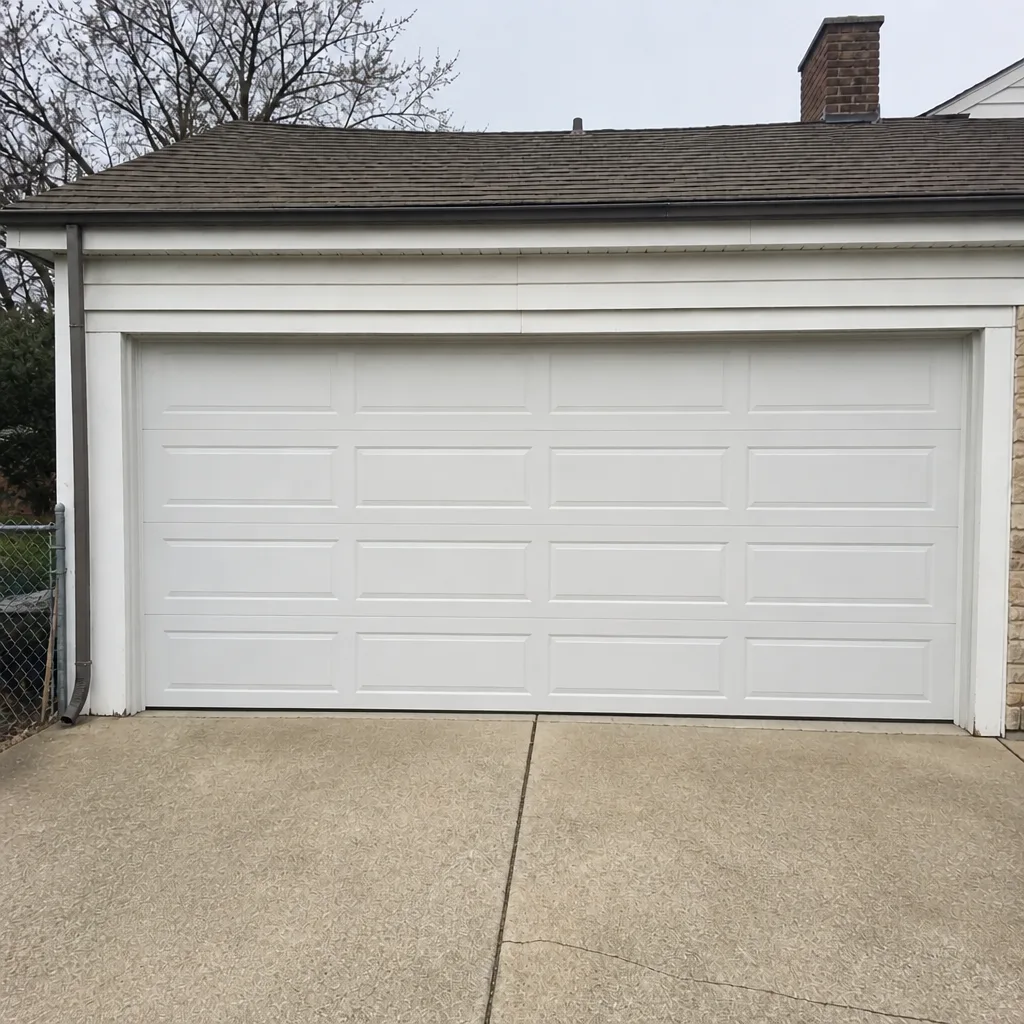
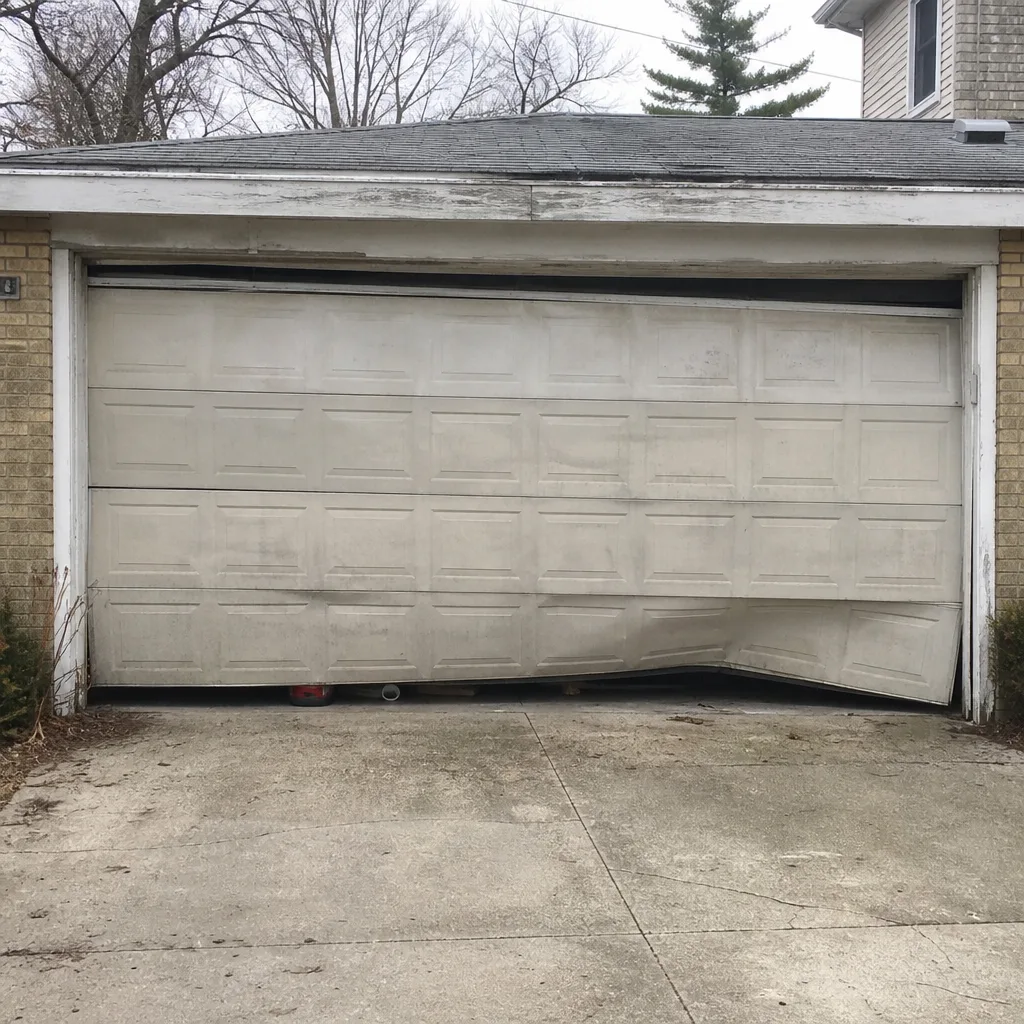
See the difference
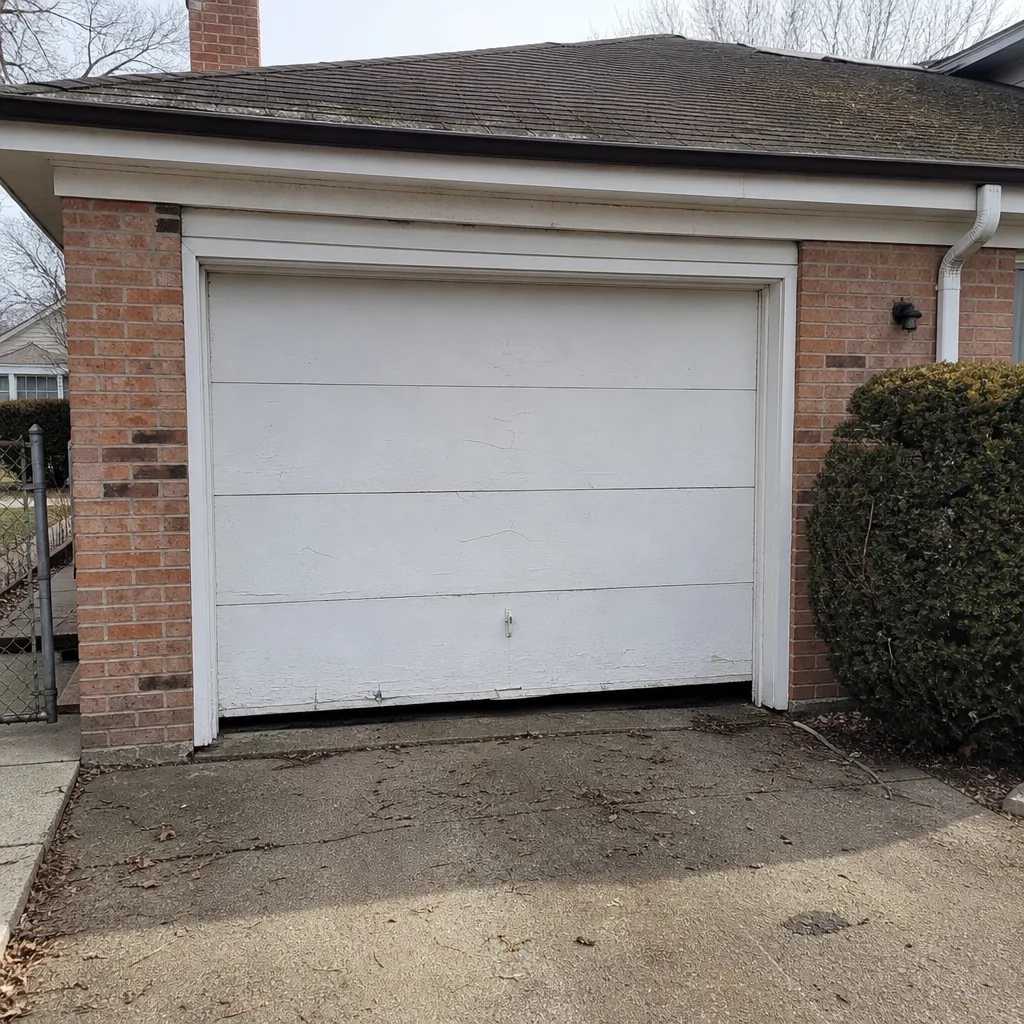 Before
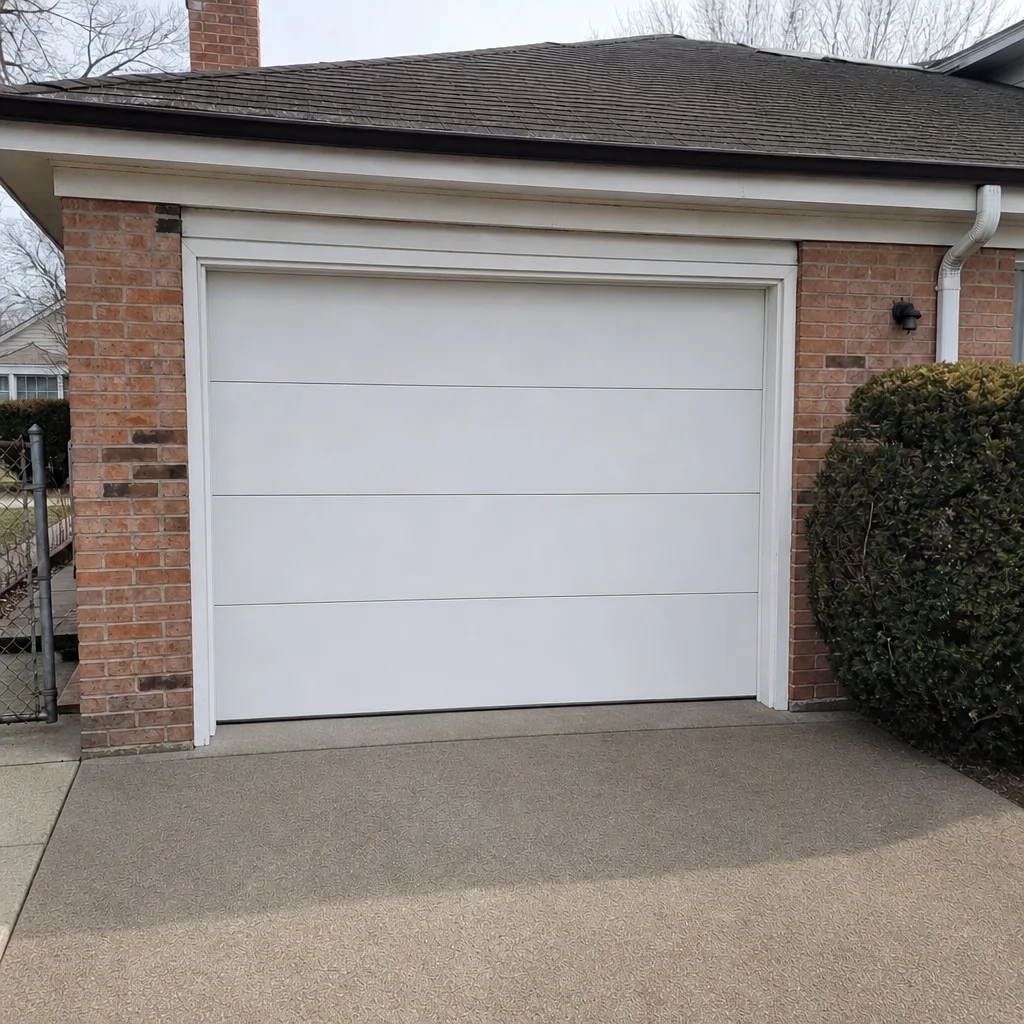 After
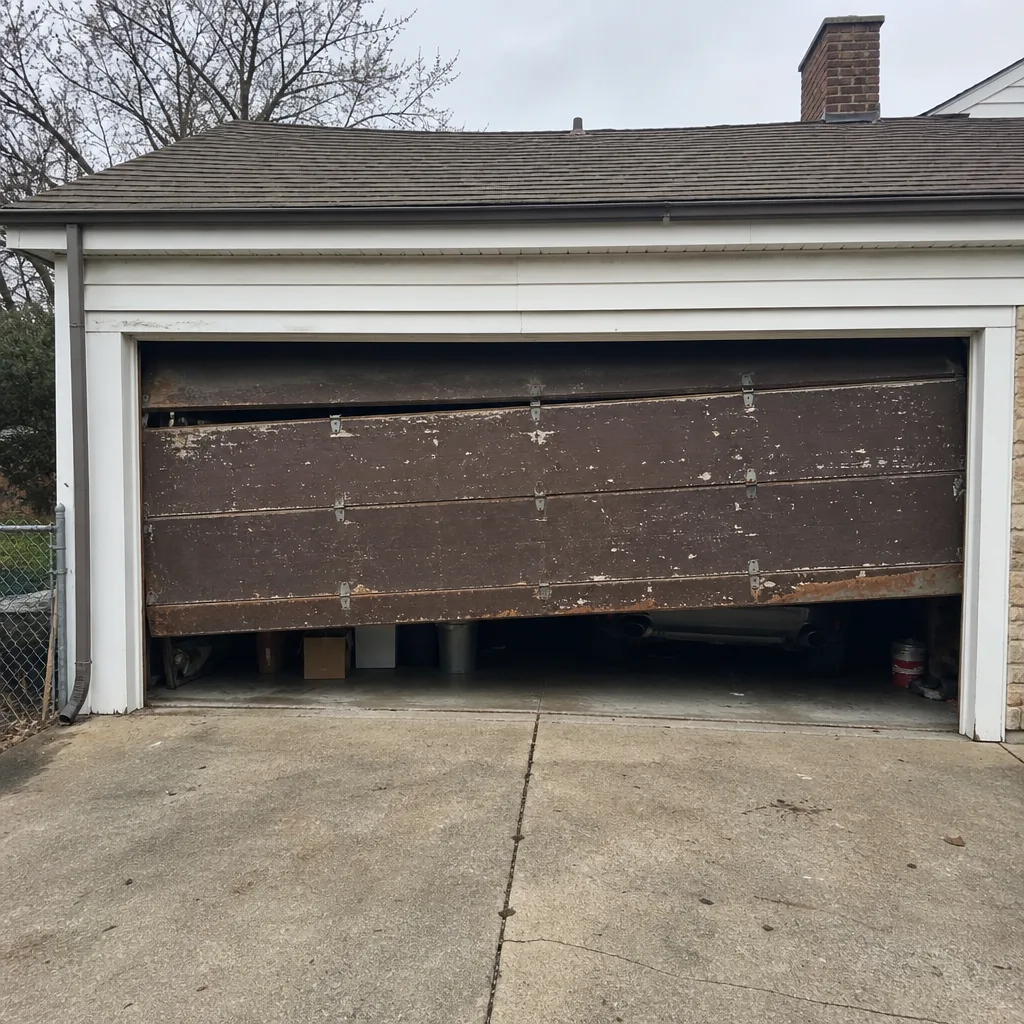 Before
 After
 Before
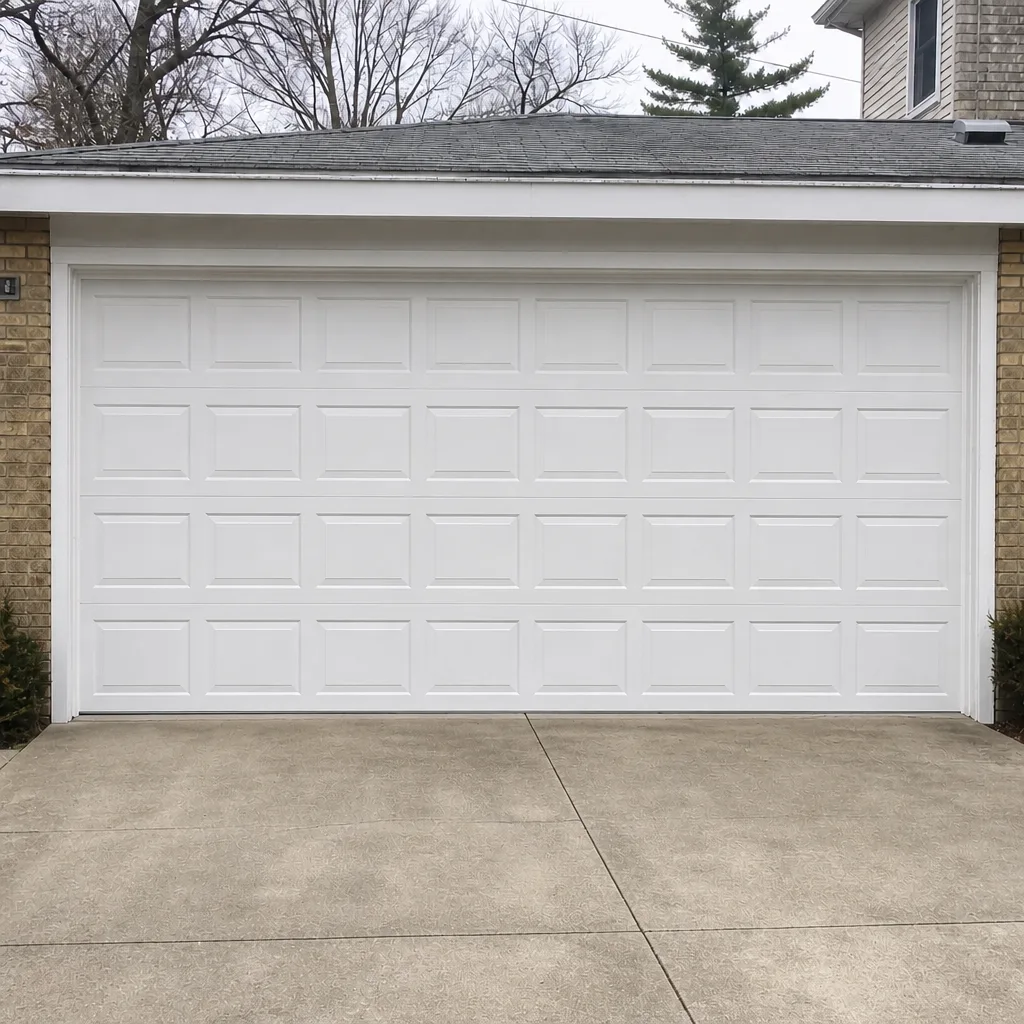 After
When to Call a Professional
Call a professional in any of these situations: a spring has snapped or is visibly extended; a cable is loose, frayed, or hanging; the door has come off its track or is hanging from one side; the door is sagging or making a loud snap when it moves; the opener works but the door won’t lift; the door won’t reverse when it should; there’s any damage to a structural panel. Also call if you’ve attempted a repair and the door doesn’t feel right afterward. In our experience, a first-time professional repair costs less than a second attempt after a DIY job goes wrong. Skokie Garage Door Repair Pros offers free estimates in Skokie. Call (844) 789-1173. We answer 24/7. Fast dispatch from 7am to 7pm, Sunday through Friday.
Frequently Asked Questions
No. Torsion and extension springs are under enough stored energy to cause serious injury in a fraction of a second, and replacing them safely requires specialized winding bars, correct wire gauge selection, and hands-on training with the specific assembly. The injury risk does not shrink with caution, and the risk of a redo is high. Call (844) 789-1173 – estimates are free, and a specialist can handle the job safely.
The savings from DIY are real on low-risk maintenance like cleaning tracks and testing the safety reverse, and mostly imaginary on high-risk work once you factor in tools, redo risk, and possible warranty issues. For high-risk repairs, the written estimate is what sets the final price on the professional job, and the local professionals who perform the work can give you a free estimate before deciding. Call (844) 789-1173 to get a written price.
Safe DIY tasks are limited to cleaning and lubricating tracks, tightening accessible hinge bolts, replacing remote batteries, re-pairing remotes, testing the safety reverse, and adjusting opener travel or force limits per the manual. Anything involving springs, cables, drums, brackets, or the door’s structural panels should go to a trained technician. When in doubt, call (844) 789-1173 and we’ll tell you honestly what you can handle.
Start with the manual’s troubleshooting section. Most “dead opener, door won’t lift” cases in our experience come down to a safety sensor issue, a capacitor, or a wall-button problem, and the manual usually covers the sensor checks. If ten minutes of troubleshooting doesn’t solve it, call. A technician can diagnose the actual cause in a fraction of that time. Call (844) 789-1173 – estimates are free.
Possibly, yes. Many door and opener manufacturers condition their warranty on installation and service by qualified personnel, so a DIY repair can affect a claim you’d otherwise have. Read the warranty documentation that came with your door or opener and understand its language before starting. If you’re not sure how your brand’s warranty treats self-performed repairs, call (844) 789-1173 and we’ll help you understand your options.
Pull the manual release, lift the door halfway, and let go. A balanced door holds that position. A door that drops or rises on its own is out of balance and likely needs spring adjustment, which is professional work. Five seconds of testing tells you what to do next. Call (844) 789-1173 if the door drops or rises – estimates are free.
The Bottom Line
The DIY vs. professional question isn’t really a price question. It’s a risk-stratification question, and the right answer varies by component. Handle the low-risk maintenance yourself: clean the tracks, lubricate the hinges, test the safety reverse, tighten loose bolts, and call for anything involving springs, cables, drums, or the door’s structural panels. Factor in the tools, the redo risk, and the warranty language before deciding on any medium-risk task. In Skokie’s freeze-thaw climate and attached-garage layouts, the stakes are a little higher than they look. Our technicians have up to 15 years of experience and specialize in garage doors only. Save the dangerous work for a specialist – that’s the split that saves money and prevents injuries.
Call Skokie Garage Door Repair Pros at (844) 789-1173 for a free estimate. We answer 24/7. Fast dispatch from 7am to 7pm, Sunday through Friday. From a snapped cable to a full new door, we handle the work that has to be done right the first time.
Written by the team at Skokie Garage Door Repair Pros.