
Last updated November 23, 2026
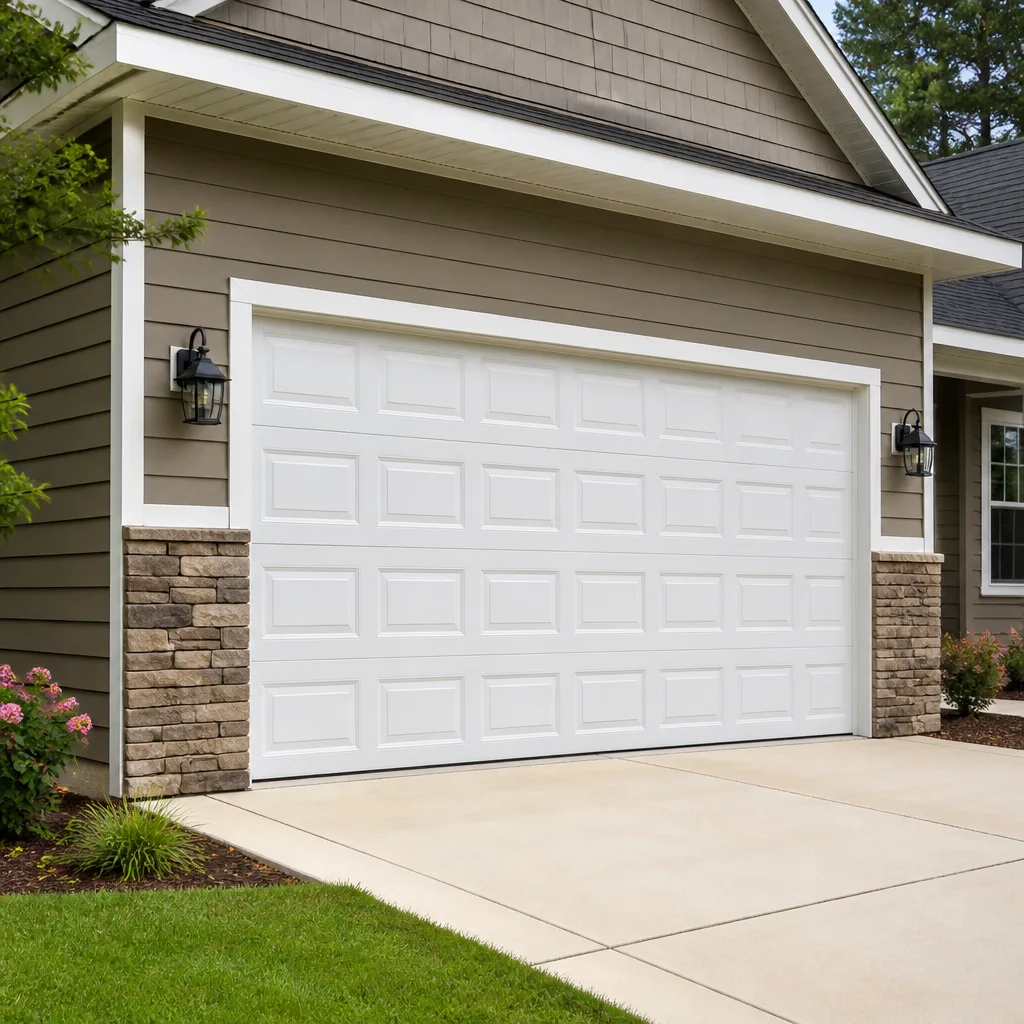 Raised-panel steel
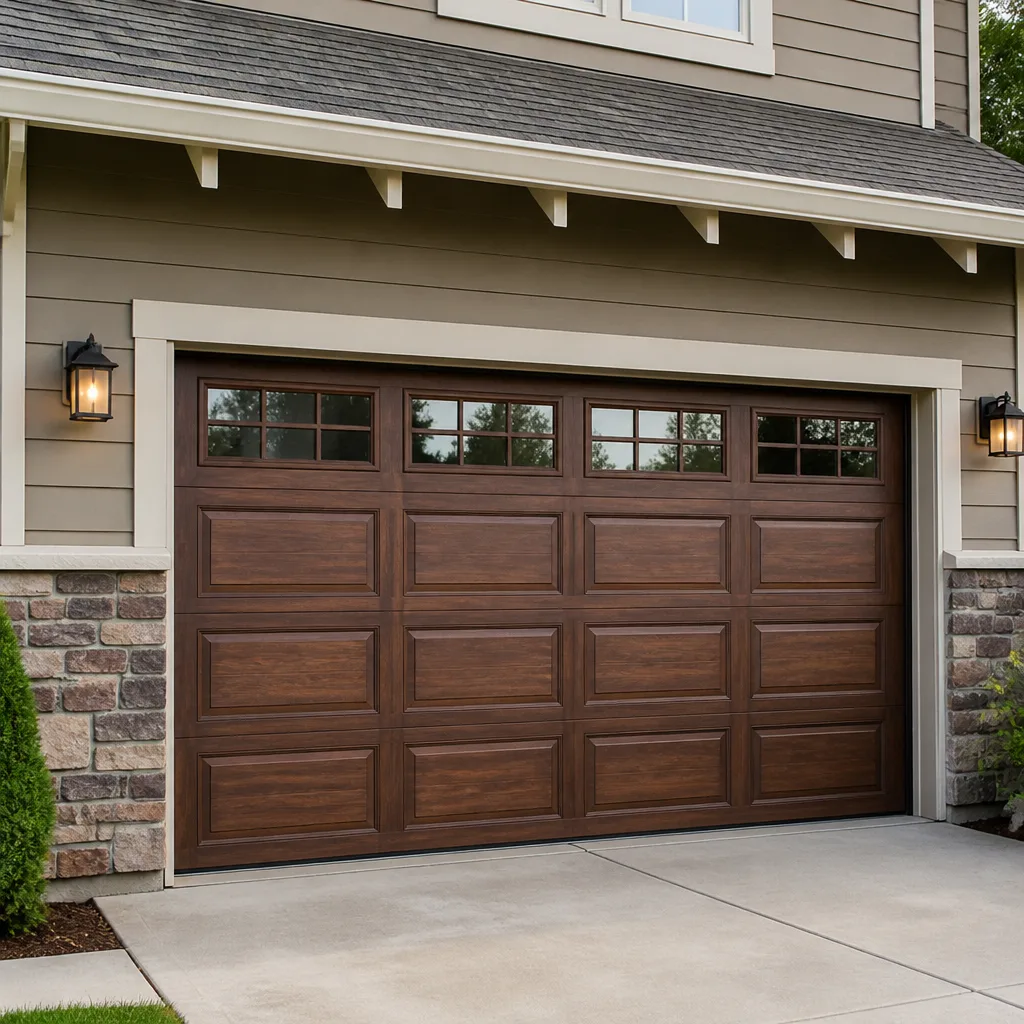
 Carriage house
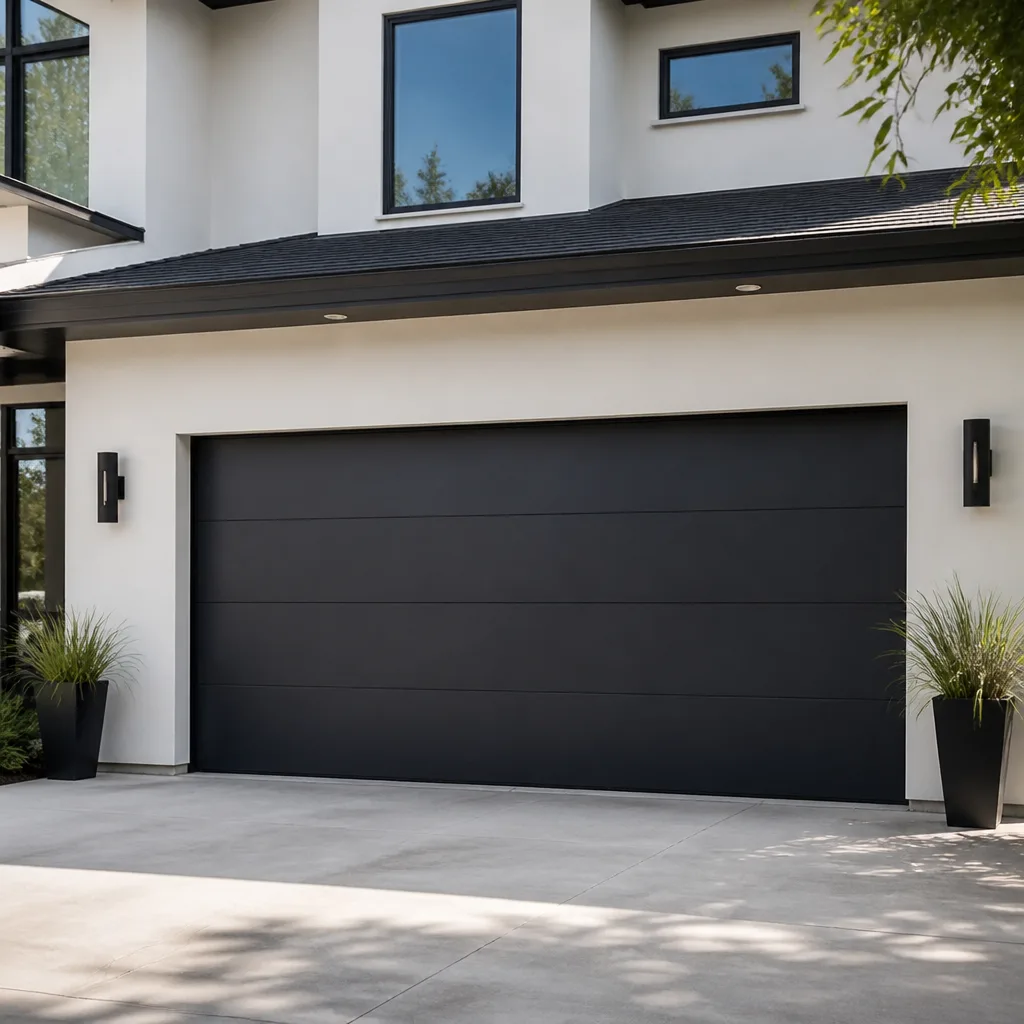 Modern flush
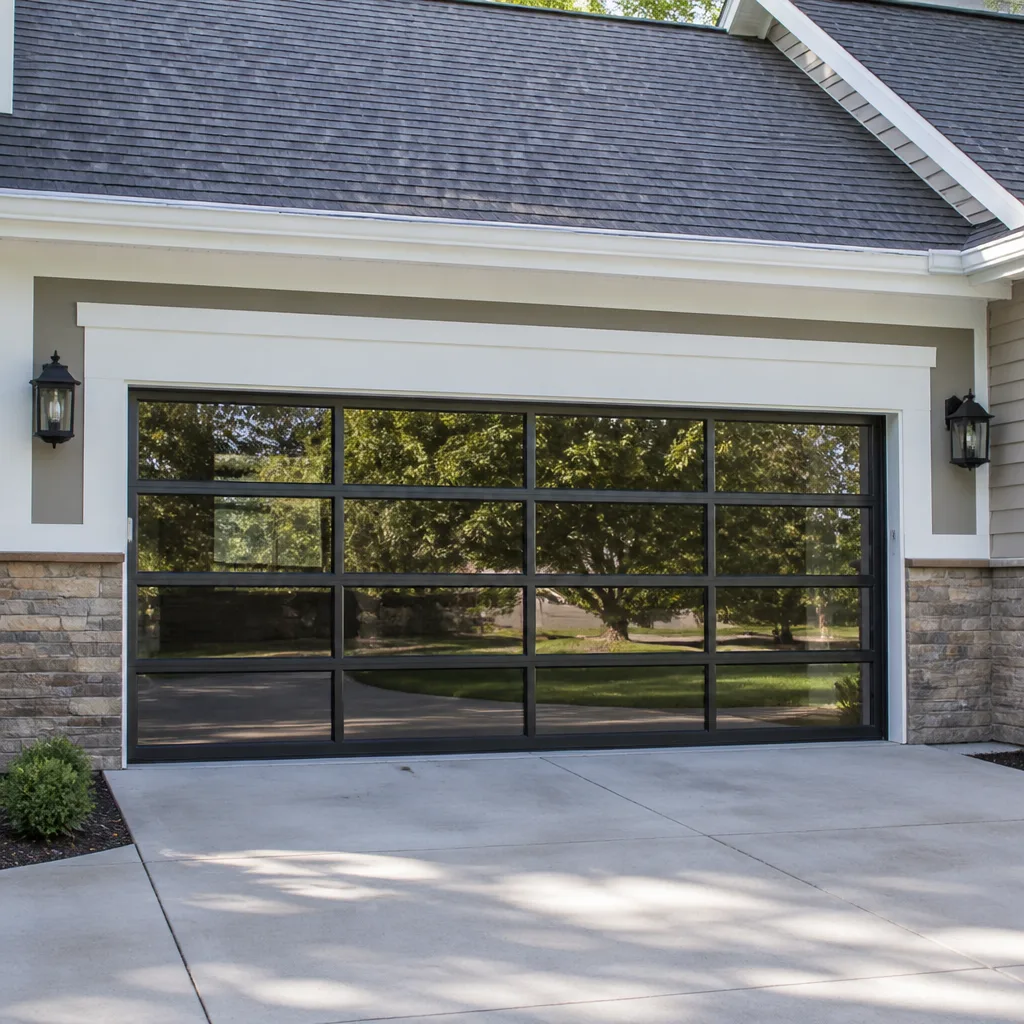 Full-view glass
 LiftMaster openers
 Chamberlain openers
Full 25-point door and opener safety check with every visit - springs, cables, rollers, tracks, and your LiftMaster or Chamberlain opener included
You get a price before we start. It does not change when the pro arrives.
Get your free estimateSeasonal Garage Door Care for Skokie: Year-Round Homeowner’s Guide
The month most Skokie garage doors fail is January. The month that determines whether they fail is October, and most homeowners miss the window entirely. Cold alone doesn’t break a torsion spring or split a bottom seal. What breaks them is the swing between a wet, thawing afternoon and a hard freeze the same night, repeated dozens of times between November and March. A door that entered that cycle with a worn seal, a dry hinge, or a spring already past its best years is the one that quits on the coldest morning of the year. This guide walks through each season in Skokie, with the specific temperature thresholds that should send you outside and the checks that matter most.
Styles & brands we work with
- Raised-panel steel
- Carriage house
- Modern flush
- Full-view glass
- LiftMaster openers
- Chamberlain openers
Quick Answer
Seasonal garage door care in Skokie comes down to two windows: a pre-freeze prep in October, before the first hard frost settles into the seals and springs, and a post-thaw inspection in March, once the freeze-thaw cycle stops stressing the door. Summer care is mostly about humidity and heat on wood panels, and the shoulder months are for lubrication and hardware checks. A door serviced in both windows rarely needs emergency repair in January.
Table of Contents
- Why Skokie’s Weather Is Harder on Garage Doors Than a Consistently Cold Climate
- The October Pre-Freeze Checklist
- The Late-Fall Spring Tension Check That Prevents January Calls
- Winter: What Freeze-Thaw Does to Seals, Springs and Tracks
- The March Post-Thaw Inspection
- Summer: Humidity, Wood Panels and the Heat Trap
- Opener Care Through the Year
- Common Mistakes to Avoid
- When to Call a Professional
- Frequently Asked Questions
- The Bottom Line
Why Skokie’s Weather Is Harder on Garage Doors Than a Consistently Cold Climate
A garage door in a place that stays below freezing for four straight months has a hard winter but a predictable one. Skokie doesn’t work that way. Between November and March, temperatures routinely climb above freezing during the day and drop well below it at night, sometimes within the same twenty-four hours. Every one of those swings moves the door’s components a little.
Torsion springs are steel under constant tension. Steel expands when it warms and contracts when it cools, and a spring that cycles through that expansion and contraction several times a week is being worked in a way a spring in a steady climate never is. The fatigue adds up quietly. A torsion spring that would last longer in a colder, more stable climate may reach the end of its service life sooner in Skokie, and it usually announces that end in the coldest week of the year, when the metal is at its most brittle.
Bottom seals take the same beating from the other direction. A rubber or vinyl seal compresses against a concrete floor. When water from melting snow pools at the threshold and then freezes overnight, it can bond the seal to the slab. The next time the door lifts, the seal either tears away from its retainer or gets pulled loose along its length. Do that a dozen times over a winter and a seal that looked fine in October is ragged and letting cold air into the garage by February.
Wood doors and wood frame components have their own version of the problem. Moisture from snowmelt and rain soaks into end grain and joints, then freezes and expands. Paint cracks along the seams. Bare spots open up. The same humidity that swells a panel in July leaves it dried and checked by the following spring.
None of this is reason to panic. It’s reason to work on a schedule. Skokie homeowners who treat the door as seasonal equipment, the way they treat a furnace or gutters, spend far less on repairs than those who only think about the door when something breaks. We work on Craftsman and LiftMaster systems across Skokie all year, and the pattern is consistent: doors maintained in fall and spring are the ones that don’t generate January calls.
The October Pre-Freeze Checklist
October is the month that decides how your door handles winter. The goal is to get everything into good condition before the first hard freeze locks it in place. Here’s the order that matters most:
- Watch the forecast for the first stretch of nights below 32°F. That’s your deadline. Once the ground and the seal freeze hard, a seal replacement becomes a much slower, more awkward job, and a marginal spring is far more likely to fail before you get to it.
- Inspect the bottom seal along its full length. Look for cracks, chunks missing, a seal that’s separated from the aluminum retainer, or one that no longer touches the floor when the door is closed. A seal that fails the “slide a piece of paper under it” test from any spot is due for replacement before freeze-up.
- Clean and lubricate the moving metal parts. Hinges, rollers, the torsion spring coils (a light wipe, never a soak), and the opener rail. Use a proper garage door lubricant, not general-purpose oil or grease that turns gummy in cold.
- Check the weatherstripping around the door frame. The stops on either side and across the top are what keep driven snow and cold air out. Split or hardened weatherstripping is cheap to replace and easy to overlook.
- Look at the door’s balance. Disconnect the opener and lift the door halfway by hand. It should stay where you let go. A door that drifts down on its own is telling you the spring tension or spring condition needs attention.
- Test the safety reverse. Put a piece of 2×4 on the floor in the door’s path and close it. The door should reverse on contact. This matters all year, but it matters more when the door is stiffer in cold weather.
- Clear the threshold drainage. Make sure water running off the driveway or melting snow has somewhere to go other than the base of the door. A small grade adjustment or a cleared channel saves seals.
- Look at the paint on any wood sections. Touch up bare spots and failing seams in October, while the wood is at its driest and the paint will cure properly.
That first threshold, the nights below freezing, is the one to act on. Everything on this list is easier and cheaper to do in mild weather. Once the freeze sets in, seal work gets harder and small problems have a way of turning into urgent ones. Our technicians have up to 15 years of experience, and the single most common thing they see in January is a door that needed an October seal and balance check and never got one.
If you’d rather have the whole list handled by someone who does it daily, that’s what a garage door repair visit in the fall is for. A free estimate covers the assessment and the written price before any work starts.
The Late-Fall Spring Tension Check That Prevents January Calls
If you do one thing this fall, do this one: confirm your springs are set correctly and aren’t already nearing the end of their working life. Spring tension is what balances the entire weight of the door. When tension is right, the opener and the person lifting it by hand do very little work. When tension is wrong, every component on the door is working harder than it should, and cold weather is when that shows.
Here’s the part most homeowners misunderstand. A spring can be perfectly tensioned and still be on the verge of breaking. Tension is the setting; the spring’s condition is separate. Both need a look.
What the check involves:
- Disconnect the opener and lift the door to about halfway by hand. It should hold there without help.
- Lower it fully. It should travel smoothly with even resistance, not lurch or fall fast.
- Check the door sits flush and level when down, with no gap on one side.
- Look at the springs themselves for separation, a visible gap in the coil, or rust along the length.
- Listen. A door that creaks, pops or snaps in one spot while moving has tension or hardware issues worth investigating.
The safety line: do not adjust tension yourself. Torsion springs and the cables attached to them are under extreme tension and can cause serious injury if they release unexpectedly. Even extension springs carry enough stored energy to do real harm. A trained technician uses the right tools and knows how to handle that stored energy safely. This is the one part of seasonal door care we recommend out of homeowner reach.
When spring tension is correct in October, the door has a much better chance of making it to March without a failure. When it isn’t, the coldest night of the year is exactly when the metal gives up. If your balance check raises a question, a garage door spring repair visit before the freeze sets in is the move, and it’s less disruptive than an emergency call in January.
Winter: What Freeze-Thaw Does to Seals, Springs and Tracks
Winter care in Skokie is mostly about not making things worse. Once the freeze-thaw cycle is running, your job is to keep the door’sthreshold clear, run the door regularly, and notice changes before they become failures.
Keep the bottom of the door clear of ice. Melting snowmelt running toward the threshold and refreezing overnight can weld the bottom seal to the slab, or worse, freeze the door to the floor. Clear it and knock any ice off the seal before opening. If the door has a habit of sticking, don’t force it with the opener; that’s how you break a spring or burn out an opener motor.
Run the door at least once a week. A garage door that sits for weeks at a time in cold weather is more likely to develop problems than one that moves regularly. Open and close it on a routine day when you’re not in a hurry, so you can hear and feel anything off.
Listen for changes. Cold weather makes everything on a garage door noisier. Some noise is normal. A door that suddenly grinds, catches in one spot, or reverses without anything in its path is not normal, and in the middle of winter it’s better to address that promptly than to wait it out.
Watch the tracks after snowstorms. Road salt and grit get tracked into the garage, and a small amount of debris in the tracks or on the rollers can throw the door off slightly. A wipe-down of the tracks and a quick look at the rollers does a lot of good. If a track has actually bent, don’t try to force the door; that’s a technician’s job.
Check the opener’s sensitivity. Cold stiffens door components. An opener set up in warm weather may need its sensitivity checked to make sure it reverses properly in the cold. Refer to the opener’s own documentation for the adjustment procedure, or have a technician check it.
Trust your nose and ears on the opener. A motor that smells hot or runs noticeably longer than it used to is telling you the door is working harder than the opener can comfortably handle. That’s usually a door-side problem, not an opener problem, and it’s better diagnosed than ignored.
If something fails anyway, it’s worth knowing that our phones are answered 24/7, and fast dispatch runs from 7am to 7pm, Sunday through Friday. We’re closed Saturday. A call that comes in outside dispatch hours gets booked into the next opening. Details are below in the “When to Call a Professional” section.
The March Post-Thaw Inspection
When the freeze-thaw cycle ends, your door has been through a real test. March is when you find out how it did. The goal of the post-thaw inspection is less about fixing what broke and more about separating what this winter actually damaged from what was already loose, worn or marginal before it started.
That distinction matters because the two get fixed the same way, but they tell you different things about the door. A bottom seal that tore this winter is a winter problem. A seal that was already two-thirds of the way gone in October is a maintenance gap, and if you don’t spot the pattern you’ll be replacing that seal every spring.
Here’s the order to inspect in:
- Bottom seal and weatherstripping. Look for tears, splits, compressed-flat spots, and gaps against the floor and frame. This is where winter damage shows up first.
- Balance and travel. Disconnect the opener, lift the door by hand, check it holds, and listen as it travels. Compare it to how it felt in October. New roughness or lurching is a finding.
- Springs and cables. Visible damage, rust, or separation in the coil is reason to stop using the door and call. Never touch a cable that looks slack or frayed. Both are dangerous under load.
- Hinges, rollers and tracks. Look for rust, worn rollers, bent tracks, and loose or missing bolts. Clean tracks and wiped rollers early in the season set the door up for a quiet year.
- Paint and finish on wood sections. Cold and moisture lift failing paint. Touch up or prep for repainting while the weather is mild.
- Opener operation. Test the safety reverse again, check the light, and listen for unusual noise from the motor and rail. If the opener is a Chamberlain or Genie model you’ve had for a while, this is also the right time to glance at whether the electronics are showing age.
Anything you flagged in October as “probably fine for now” gets a harder look in March. That’s how the small stuff gets caught before it becomes a step on the way to a full replacement. If the March inspection turns up something beyond a wipe-down, an opener repair visit or a door-side tune-up is straightforward, and estimates are free.
Summer: Humidity, Wood Panels and the Heat Trap
Summer is the quiet season for most garage door problems in Skokie, but it’s the season that sets up the fall. Two things deserve attention: wood doors and the heat that builds up in an unventilated garage.
Wood doors and summer humidity. Humidity swells wood panels. A panel that fits snugly in October can bind in July, especially at the joints and along the bottom where the wood meets the frame. If the door starts to stick or bind in the summer, don’t force it. Look at whether the finish is intact on the panels, especially on the end grain and around the panel edges where water gets in. Loose or peeling finish on a wood door is a signal to refinish before the next winter, not a cosmetic issue to defer. If you have a wood door from Clopay or Amarr, check the panels and the frame one warm, humid day; if there’s a sticky panel, that tells you a refinish is due.
The heat trap. Garages are poorly ventilated by design. In the summer, an attached garage can get hotter than most of the house. Heat is hard on lubricant, which can run thin, and on opener electronics. A quick summertime look at your door means: check for dried or thinning lubricant on hinges and rollers, listen to the opener motor for a change in pitch, and look at whether the tracks show any contamination from summer grit. If the door still runs quietly, you’re in good shape. If a hinge squeaks, deal with it in summer rather than waiting for cold weather to make it worse.
Wood door refinishing schedule. A refinish typically holds a few years depending on exposure. Summer is the best time to apply paint or stain because it cures properly. If your door is due, don’t leave it until fall, when temperatures start to drop and curing gets harder.
Insulation matters in summer too. An insulated door keeps the garage from becoming a heat trap, which is good for anything stored in it and for the opener’s electronics. If you’re looking at replacement rather than repair, this is worth bringing into the conversation.
Opener Care Through the Year
An opener is only as good as the door it’s attached to. Most opener “failures” turn out to be a door that’s become too heavy or too stiff for the opener to move comfortably. Get the door right and the opener usually follows.
- Test the safety reverse every season. It’s the single most important opener test, and it should be redone whenever the door is stiff or the weather changes.
- Check the force and travel settings quarterly. These settings drift. Consult the opener’s manual for the adjustment procedure, or have a technician confirm the door reverses properly on contact.
- Keep the opener rail and chain or belt clean and lightly lubricated. Dry or gummy lubricant is common in summer heat and winter cold alike.
- Replace remote batteries before they fail, not after. Fall is a good time to swap batteries and test the wall station before you’re relying on the door in bad weather.
- For older units, know when repair stops making sense and replacement is the better call. A LiftMaster or Chamberlain that’s reached the end of its service life is worth discussing honestly before it strands you.
If you’re dealing with a specific model issue, the fastest route is a diagnostic visit rather than guessing. We work on LiftMaster, Chamberlain, Genie, Craftsman, Clopay, Amarr, Wayne Dalton and Raynor systems, so the technician who arrives knows the brand in your garage, not a generic approximation of it.
Common Mistakes to Avoid
- Waiting until January to think about the door. A door that gets attention in October is a door that usually works in January. The first hard freeze is the deadline, not the start line.
- Greasing the spring coils like a hinge. A torsion spring needs a light wipe, not a coating of grease that turns gummy in the cold. Over-lubrication attracts grit and makes the spring harder to inspect.
- Adjusting spring tension by yourself. Torsion springs store enough energy to cause serious injury. This is the one routine task on the seasonal list that should be handled by a trained technician, without exception.
- Ignoring a bottom seal that doesn’t touch the floor. A gap at the bottom costs heat, lets in water, and is the start of freeze-related seal damage. Fix it in fall, not after it’s torn.
- Forcing a door that’s stuck or binding. A stuck door that gets forced is how springs snap and openers burn out. If the door won’t close smoothly, stop and get it looked at.
- Skipping the March inspection after a hard winter. What a winter damages doesn’t always show up immediately. The March check is where you catch the delayed failures and the small wear that’s about to become a problem.
- Letting the summer refinish slide on a wood door. Wood that doesn’t get refinished in summer enters winter with bare spots that soak up moisture. That’s a winter damage window you can close in July.
When to Call a Professional
Seasonal checks are homeowner territory. These situations are not: anything involving a torsion spring or cable under tension, a door that won’t close or sits crooked, an opener that runs but doesn’t move the door, a track that’s visibly bent, a bottom seal that’s torn loose, or a door that has become noticeably harder to lift than it was last month. Those all point to a component that’s failed or is about to. Working on them without training invites injury and usually turns a small repair into a bigger one.
If something fails at a bad time, we’re here for it. We answer 24/7, and fast dispatch runs from 7am to 7pm, Sunday through Friday. We’re closed Saturday; a call outside dispatch hours is booked into the next opening. Skokie Garage Door Repair Pros offers free estimates in Skokie, and the price is quoted and agreed in writing before any work starts. Call (844) 789-1173.
Frequently Asked Questions
October is the most important month for garage door maintenance in Skokie. It’s the window before the first hard freeze, when seals, weatherstripping, springs, lubrication and balance can all be checked and corrected before the freeze-thaw cycle starts working on them. A door that gets an October prep rarely needs a January emergency repair. Call (844) 789-1173 to book a fall check; estimates are free.
Skokie’s freeze-thaw cycle is harder on garage doors than a consistently cold climate because the repeated freezing and thawing keeps cycling the springs, seals and hardware. A door in a place that stays below freezing all winter experiences one long cold period. A door in Skokie experiences dozens of freeze-thaw cycles, and each one adds a little fatigue to the springs and a little stress to the bottom seal. Call (844) 789-1173 if your door is showing signs of it.
You can check for symptoms, but you should not adjust spring tension yourself. Lift the door by hand with the opener disconnected; a balanced door should hold halfway. If it doesn’t, or if the springs show separation or rust, that’s a job for a trained technician, because torsion springs and cables are under enough tension to cause serious injury. Call (844) 789-1173 and we’ll take a look; estimates are free.
Lubricate the hinges, rollers and opener rail twice a year in Skokie, once in fall before the freeze and once in spring after the thaw. Use a garage door lubricant rather than general-purpose oil, and wipe the torsion spring coils lightly instead of coating them. If your door is noisy in between, a spot check on the hinges is a quick fix. Call (844) 789-1173 if you’d rather have the whole tune-up done properly; estimates are free.
Check the finish on the panels and frame in summer, especially the end grain and panel edges, and refinish when the paint or stain starts to fail. Summer humidity swells wood panels, so a sticky door in July is often a sign that a refinish is due. If a panel binds, don’t force it. Call (844) 789-1173 to have the door assessed; estimates are free.
Yes, we offer same-day service for urgent winter repairs when scheduling allows. Winter failures are often spring, seal or opener problems that got worse in the cold, and we prioritize doors that are stuck open or won’t close. We answer 24/7, and fast dispatch runs from 7am to 7pm, Sunday through Friday. Call (844) 789-1173; estimates are free and the price is agreed before work starts.
The Bottom Line
Seasonal garage door care in Skokie works on two clocks. October is the month to prepare: replace worn bottom seals, lubricate the metal parts, check weatherstripping, test balance and safety reverse, and confirm spring tension before the first hard freeze. March is the month to assess: see what winter actually did, compare it to October, and fix anything that’s drifted. Summer belongs to wood doors and humidity, and the shoulder months are for lubrication and hardware checks.
The single highest-value task in the whole schedule is the fall spring tension check. It’s the one most likely to prevent a January call, and it’s the one we strongly recommend leaving to a trained technician. Every other task on this list is within reach of a careful homeowner. If you want the whole seasonal program handled by people who do it daily, we’re here. Call (844) 789-1173 for a free estimate.
Written by the team at Skokie Garage Door Repair Pros.
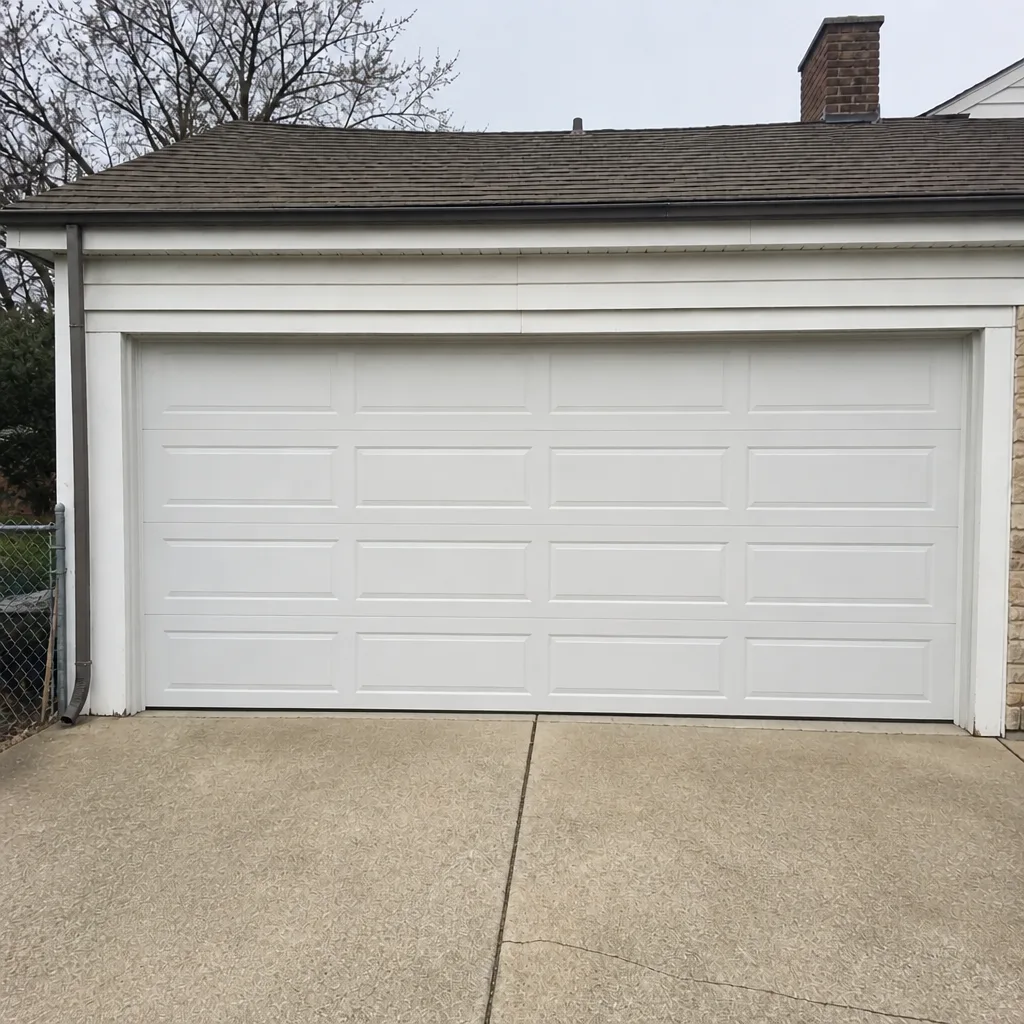
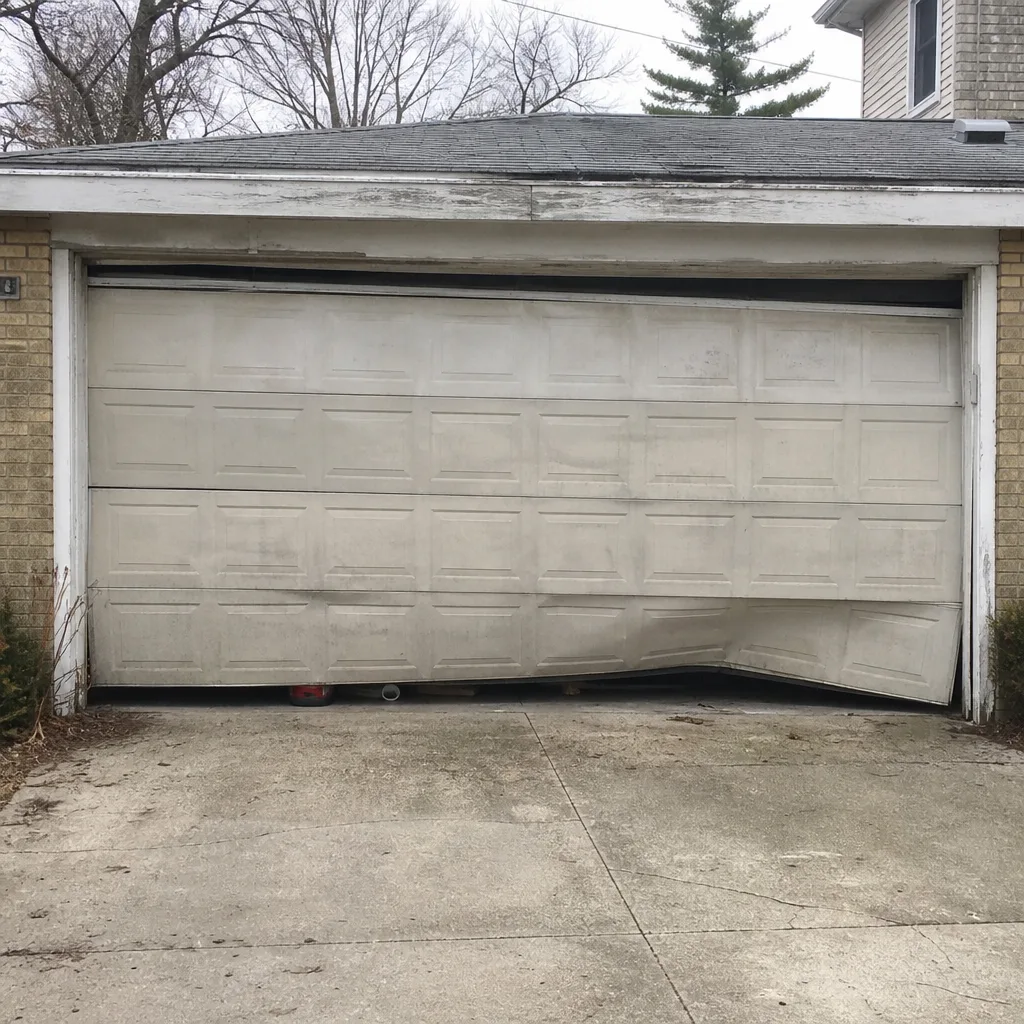
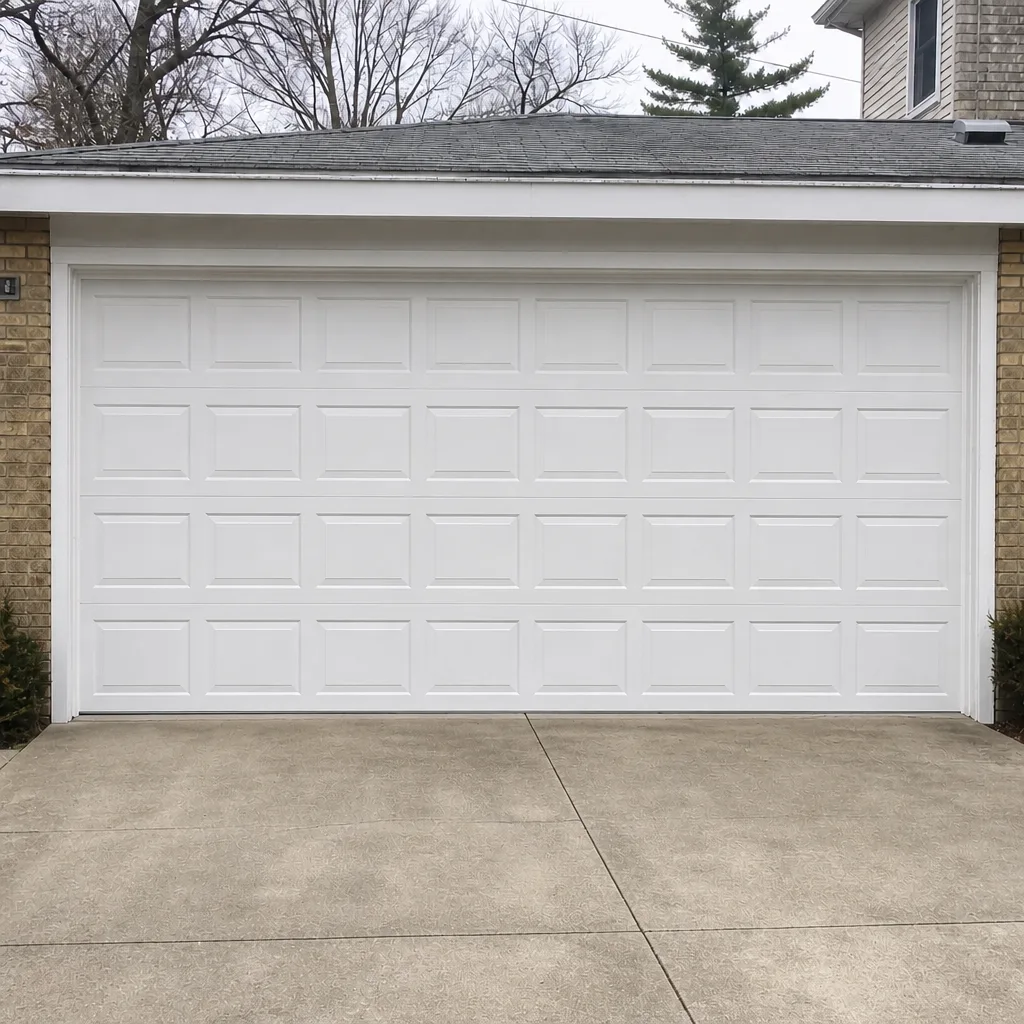
See the difference
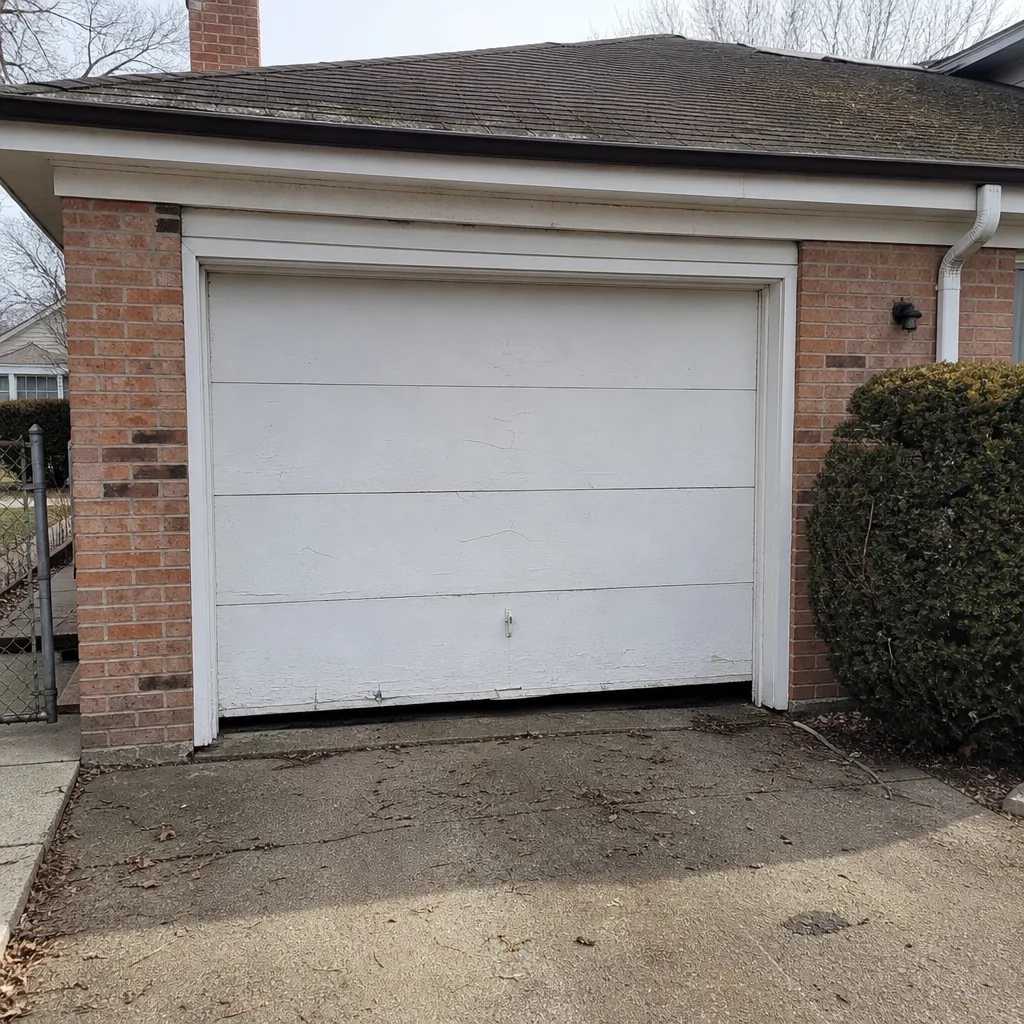 Before
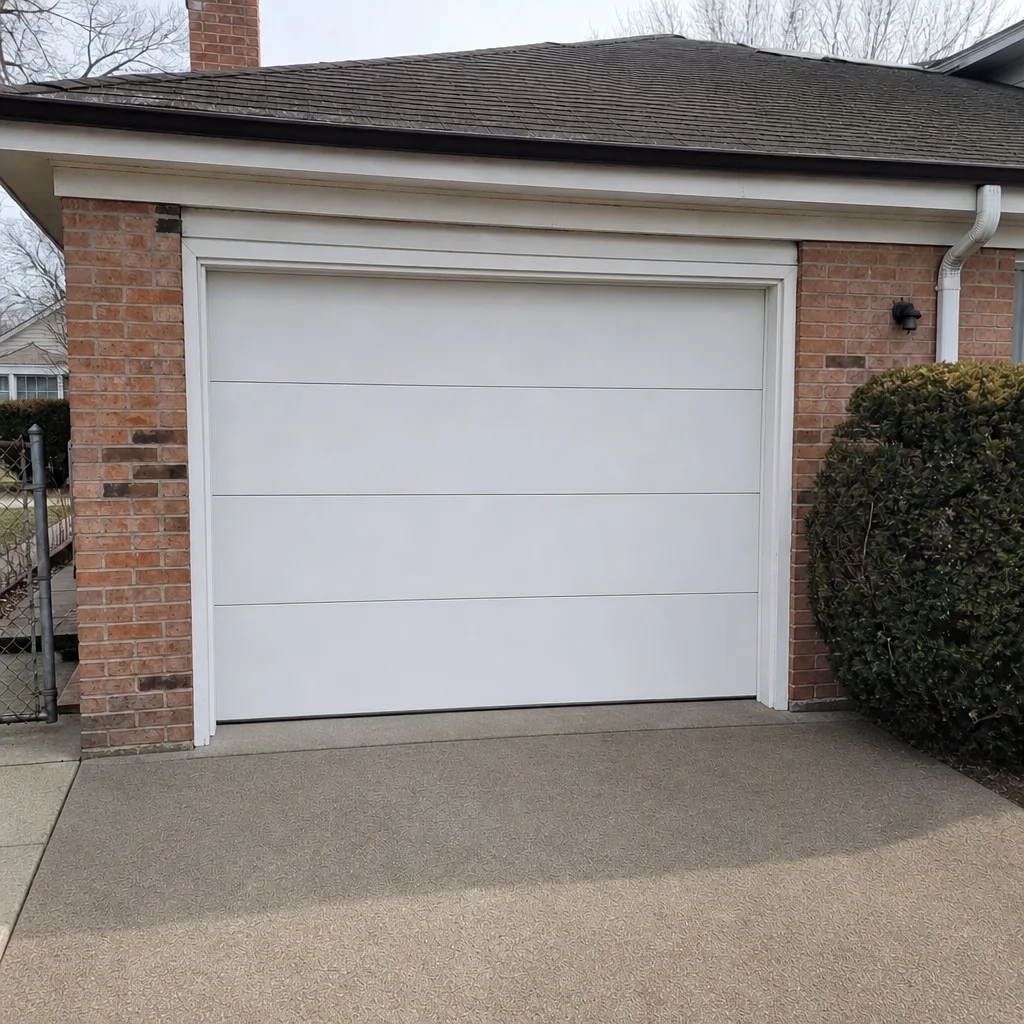 After
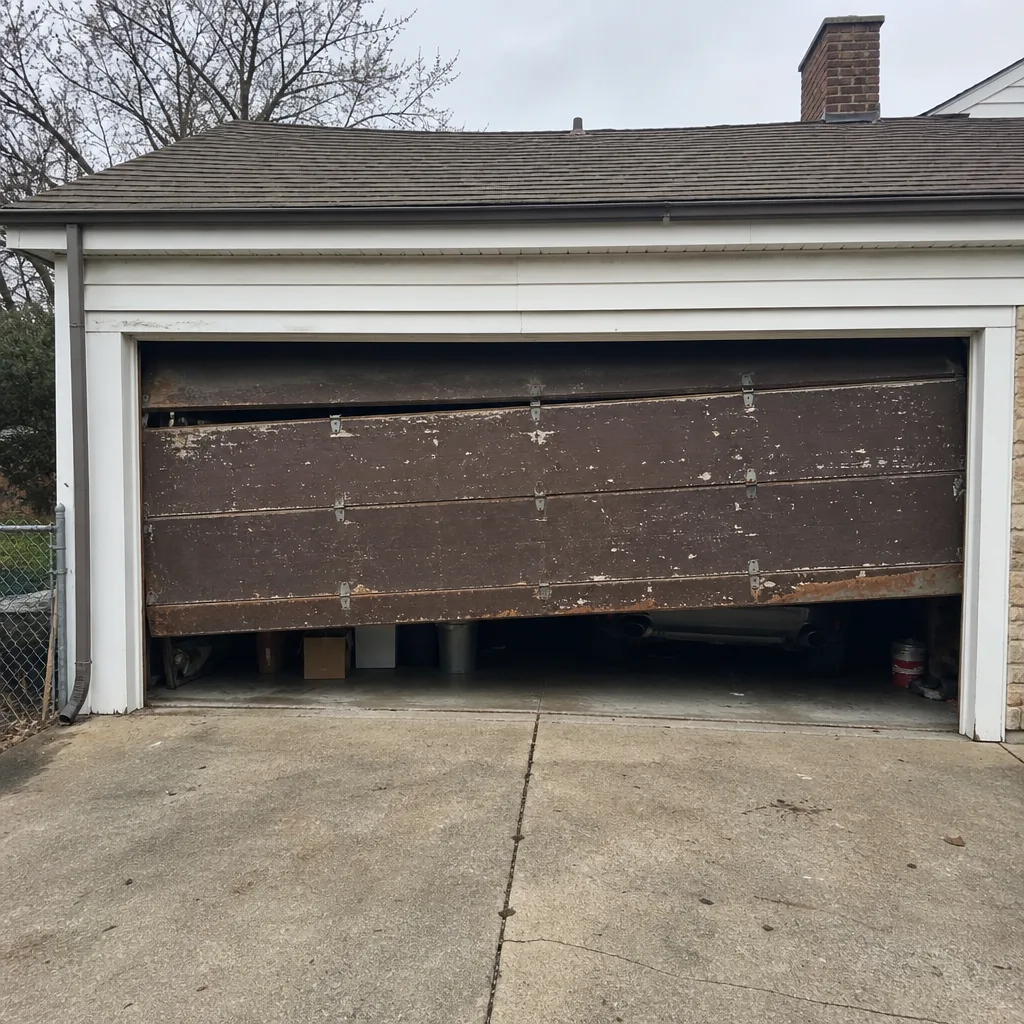 Before
 After
 Before
 After